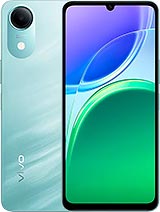
Lava Bold N1 4G review
The Bold N1 suits buyers in price-sensitive markets who prioritize two-day battery life, water resistance, and a headphone jack over display sharpness and gaming. Skip it if you run multiple apps daily, take lots of photos, or expect smooth app performance—a used mid-range phone at the same price would outpace it easily.
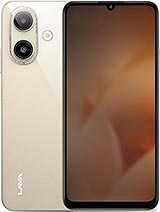
This review is written with AI assistance from Lava’s published specifications and public benchmark data for the Lava Bold N1 4G, and the rating is spec-based. GoSolo does not physically test devices; where we estimate real-world behaviour such as battery life or charge time, we say so. How we rate phones.
Overview
The Bold N1 is a no-frills, battery-first phone for people who need voice, text, and video calls to last two days on one charge without spending much. It doesn't feel premium and it won't play modern games, but it's light, has a headphone jack, and delivers exactly what a 70-euro phone should.
Design & build
At 200g and 8.8mm thick, the Bold N1 feels light and pocketable. The 6.75-inch display is substantial without being unwieldy, and the 87.6% screen-to-body ratio means it doesn't waste bezel space. IP54 rating covers dust and water splashes (not submersion), which matters in emerging markets where phones endure real weather and daily roughing. The side-mounted fingerprint sensor is mechanical and slower than in-display alternatives, but it's reliable and doesn't drain battery hunting for your finger. Nano-SIM dual slots let you run two networks or keep a personal and work line without juggling phones. This is honest construction for the price: no glass back, no premium materials, just something that will survive a year or two in a back pocket.
Display
A 6.75-inch IPS LCD with 720p resolution and 260 ppi is visibly pixelated. Text, app icons, and small UI elements show their individual squares at normal reading distance, which is annoying but not crippling for basic tasks. The 90Hz refresh rate smooths scrolling and web browsing compared to budget 60Hz phones, a real quality-of-life win. Colors are flat and viewing angles are narrow, typical of IPS LCD at this tier, but the 110 cm² of screen real estate and narrow bezels make video playback and reading feel spacious enough. The low resolution is the trade-off here: it's a cost-cutting move that will nag anyone switching from a mid-range phone, but it keeps the phone light, battery-efficient, and cheap.
Performance
The Unisoc SC9863A is an entry-level chipset built on 28nm process. Its octa-core Cortex-A55 CPU and IMG8322 GPU handle light duties: email, messages, social media, 1080p video playback, and web browsing in a single tab. Trying to run two apps at once or opening anything game-adjacent (even Candy Crush) will stutter. The 4GB RAM is tight; app switching means waiting for reloads, and background downloads can grind tasks to a halt. This is not a phone for multitaskers or anyone who installs heavy apps. It's built for single-purpose use: a call device that also handles photos and video. Performance drops sharply in hot weather and battery saver mode cuts speed further, which hurts even basic scrolling if you've burned through your daily mAh. Realistic expectation: this is an upgrade from a 2018 feature phone, not a replacement for a 2024 mid-ranger.
Software
Android 14 (Go edition) is Google's lightweight spin on Android, stripped of memory-hungry services and bloat. It runs on 4GB RAM and makes the Bold N1 feel faster than stock Android would on the same hardware. Updates from Lava are unpredictable at this price point—don't expect more than one major version bump and security patches trailing by several months. The tradeoff is stark: Go edition locks you out of the full Play Store (you get the lite version), and some popular apps won't run or will run severely limited. The phone works but feels like a walled garden. It's adequate for someone who just needs WhatsApp, YouTube, and the camera, but anyone who juggles multiple apps or relies on niche tools will feel the friction.
Camera
The 13MP main sensor with f/2.0 aperture and PDAF captures daylight photos with acceptable sharpness and natural colors thanks to the fast lens. Zoom is digital and immediately visible, ultrawide mode doesn't exist, and low-light shots blur and wash out. The 1080p@30fps video is the phone's video ceiling; 4K isn't an option. The 5MP selfie camera is functional for video calls and selfies at arm's length but can't zoom or deliver any portrait detail. LED flash helps in dim settings but creates harsh shadows. This is competent but unremarkable: a 13MP sensor in 2025 is entry-level, and the lack of computational photography means you get what the optics deliver, no processing magic. If photography matters to you, look elsewhere.
Battery & charging
The 5000mAh battery delivers about 16 to 20 hours of mixed use (calls, messages, browsing, video), with aggressive standby pushing closer to two full days. The light Unisoc chipset and modest display don't drain power quickly, so the battery's longevity is one of the phone's genuine strengths. Charging at 10W takes roughly 90 minutes to full, significantly slower than rivals who've moved to 33W or 65W at this price. The silver lining: slow charging means less heat stress on the cell, and the large battery capacity means you'll use the charger fewer times overall. For someone without a charger readily available most of the day (rural areas, travel), this is a real win. The tradeoff is patience when you need 80% in 30 minutes.
Value & verdict-context
At about 70 euros, the Bold N1 operates in a market where durability and reliability beat features. The phone does what entry-level phones should do: call, text, navigate, watch video, and run all day without hunting for a charger. IP54 water resistance and the headphone jack are details competitors ignore at this price, and they matter in markets where phones endure real weather and earbuds are wired. The display isn't sharp, the camera isn't impressive, and performance isn't snappy, but none of that is a secret when you pay this little. The real question isn't whether it competes with phones at twice the price; it's whether it's durable enough to justify the spend over a last-gen model, and here the answer is yes. Battery life and water resistance are genuine upgrades over budget 2024 phones. Go edition Android will frustrate anyone used to the full Play Store, but most buyers shopping this price aren't heavy app users. This phone is built for people who need reliable voice and reasonable battery life without the frills. It's functional, not flashy.
Verdict
The Bold N1 suits buyers in price-sensitive markets who prioritize two-day battery life, water resistance, and a headphone jack over display sharpness and gaming. Skip it if you run multiple apps daily, take lots of photos, or expect smooth app performance—a used mid-range phone at the same price would outpace it easily.
- 5000mAh battery with light software means two days of real-world use between charges—rare at this price
- IP54 water and dust resistance is genuine everyday durability for the money
- 3.5mm headphone jack still here, plus side-mounted fingerprint for physical security
- 6.75-inch screen and 90Hz refresh make the display feel responsive despite low pixel density
- 720p resolution at 6.75 inches leaves text and UI elements visibly pixelated at arm's length
- Unisoc SC9863A and 4GB RAM choke on any app heavier than email or light browsing; 1080p video capture is the upper limit
- 10W charging takes around 90 minutes, and battery replacement after two years of deep cycles is almost inevitable on a phone this cheap
Lava Bold N1 4G Key Specifications
The essentials at a glance. See the full spec sheet.
| Released | 2025, June 04 |
|---|---|
| Display | 6.75 inches, 110.0 cm2 (~87.6% screen-to-body ratio), IPS LCD, 90Hz |
| Resolution | 720 x 1600 pixels, 20:9 ratio (~260 ppi density) |
| Chipset | Unisoc SC9863A (28 nm) |
| RAM & storage | 64GB 4GB RAM |
| Main camera | 13 MP, f/2.0, (wide), 1/3.1", 1.12µm, PDAF |
| Selfie camera | 5 MP |
| Battery | 5000 mAh |
| Charging | 10W wired |
| Software | Android 14 (Go edition) |
| Dimensions | 165 x 76.1 x 8.8 mm (6.50 x 3.00 x 0.35 in) |
| Weight | 200 g (7.05 oz) |
| Durability | IP54 dust protected and water resistant (water splashes) |
| Network | GSM / HSPA / LTE |
| NFC | No |
| USB | USB Type-C, OTG |
Lava Bold N1 4G FAQ
Common questions, answered from the spec sheet.
Does the Bold N1 4G support 5G?
No. The Bold N1 4G tops out at GSM / HSPA / LTE, without 5G.
What chipset does the Bold N1 4G use?
The Bold N1 4G runs on the Unisoc SC9863A (28 nm).
What display does the Bold N1 4G have?
A 6.75 inches, 110.0 cm2 (~87.6% screen-to-body ratio) IPS LCD, 90Hz, 720 x 1600 pixels, 20:9 ratio (~260 ppi density).
How big is the Bold N1 4G battery?
The Bold N1 4G has a 5000 mAh battery. Charging is rated at 10W wired.
Does the Bold N1 4G have NFC?
No, the Bold N1 4G does not list NFC support.
Is the Bold N1 4G water resistant?
The Bold N1 4G carries a IP54 dust protected and water resistant (water splashes) rating.
Does the Bold N1 4G support a microSD card?
Yes, the Bold N1 4G supports expandable storage (microSDXC).
Does the Bold N1 4G have a headphone jack?
Yes, the Bold N1 4G has a 3.5mm headphone jack.
Alternatives to consider
If the Bold N1 4G isn’t quite right, these are the closest calls.
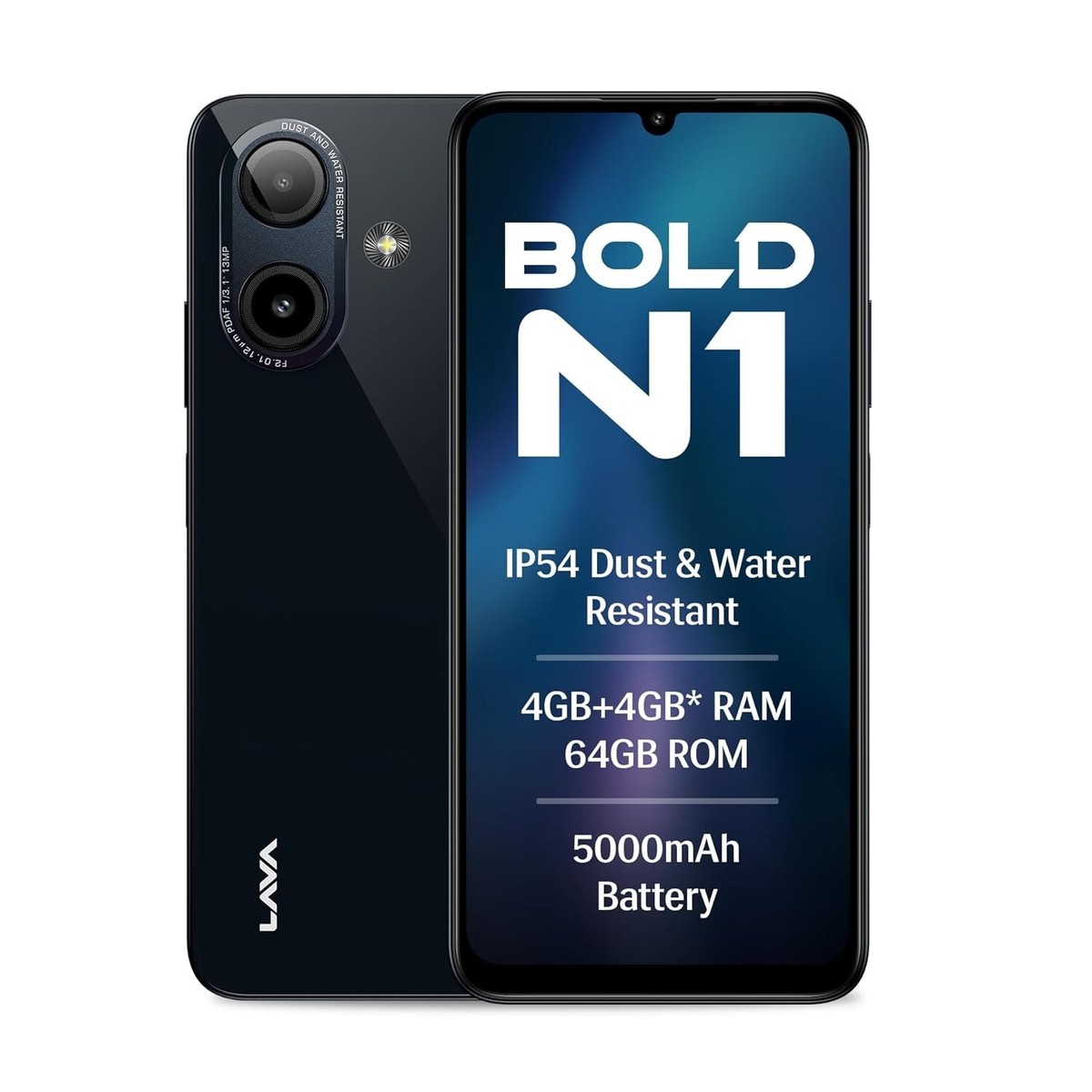
Lava Bold N1 5G
Bold N2 Lite
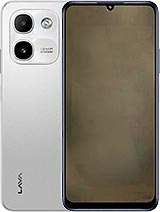
Virat V1 4G
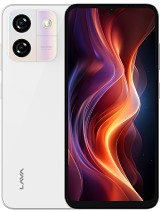
Yuva Star 2
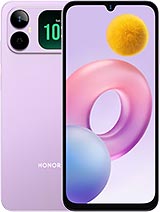
Play20A