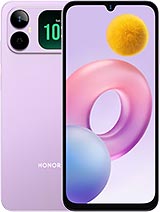
Lava Shark 4G review
The Shark 4G makes sense for light users in cost-conscious markets who need dual SIM, day-and-a-half battery life, and rugged durability but can live with a soft display and entry-level performance. Anyone who scrolls heavily, plays games, or expects snappy multitasking should look at a competing budget phone with a sharper screen or a 2023–2024 mid-range device instead.
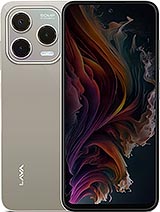
This review is written with AI assistance from Lava’s published specifications and public benchmark data for the Lava Shark 4G, and the rating is spec-based. GoSolo does not physically test devices; where we estimate real-world behaviour such as battery life or charge time, we say so. How we rate phones.
Overview
The Shark 4G is a no-frills budget phone that leans into a giant screen and marathon battery life to justify its 80-euro ask. It's honest work for light users in emerging markets: dual SIM, IP54 splash protection, and a side fingerprint sensor all work without fuss, but the 720p display is noticeably soft, the Unisoc T606 struggles when you pile on apps, and 18W charging feels slow in 2025.
Design & Build
At 8.5 mm thick and 200 grams, the Shark 4G is slim and light enough to pocket without fuss. The 6.67-inch footprint is large without being unwieldy, and the 81% screen-to-body ratio makes sensible use of the front. IP54 rating guards against dust and water splashes—sufficient for accidental spills and pocket lint, though not for submersion. The side-mounted fingerprint sensor is where Lava cut back: it works reliably and fast enough, but there's no optical under-display option to speak of. Dual Nano-SIM slots are a genuine nod to users who juggle work and personal networks or who travel between carriers.
Display
The 120Hz refresh rate is the headline grab, and it does smooth scrolling and menu flicks noticeably. But the 720p resolution on 6.67 inches is the catch: at 269 ppi, text and app icons lack crispness unless you hold the phone at arm's length. This is a compromise that cost-cutting brands make, but one that shows in everyday use—reading a web article or typing feels like looking through slightly fogged glass. For this price and size, a 1080p panel would have been the smarter trade-off; rivals in this tier have already moved that way. The IPS chemistry means viewing angles are generous and colors are accurate, which counts for casual video watching.
Performance
The Unisoc T606 is an entry-level chipset with real limits. The octa-core setup (two faster Cortex-A75 cores, six efficiency A55s) handles light browsing, messaging, and social scrolling without strain. Switch to more than three or four apps at once, or open a demanding game, and lag becomes noticeable—the phone slows visibly when loading and switching tasks. Video playback, photo viewing, and casual navigation are fine. But this is not a chip for multitasking-heavy users or anyone who expects the snappy feel of a mid-range phone. The 4GB of RAM is the other limiting factor; it's the bare minimum for Android 14 in 2025, and it shows during heavy load. For email, calls, Maps, and YouTube in sequence, it works. For anything more ambitious, you will feel the throttle.
Software
Android 14 runs cleanly on this hardware with no bloat in sight, a plus for a Lava device. System menus and animations are snappy, and the OS itself doesn't get in your way. The question is how long Lava will support it—budget brands often promise one or two years of updates, then move on. For a phone at this price, that's the norm, but it's worth checking your region's policy before buying. Security updates matter more than OS versions at this tier; make sure they're committed to regular patches.
Camera
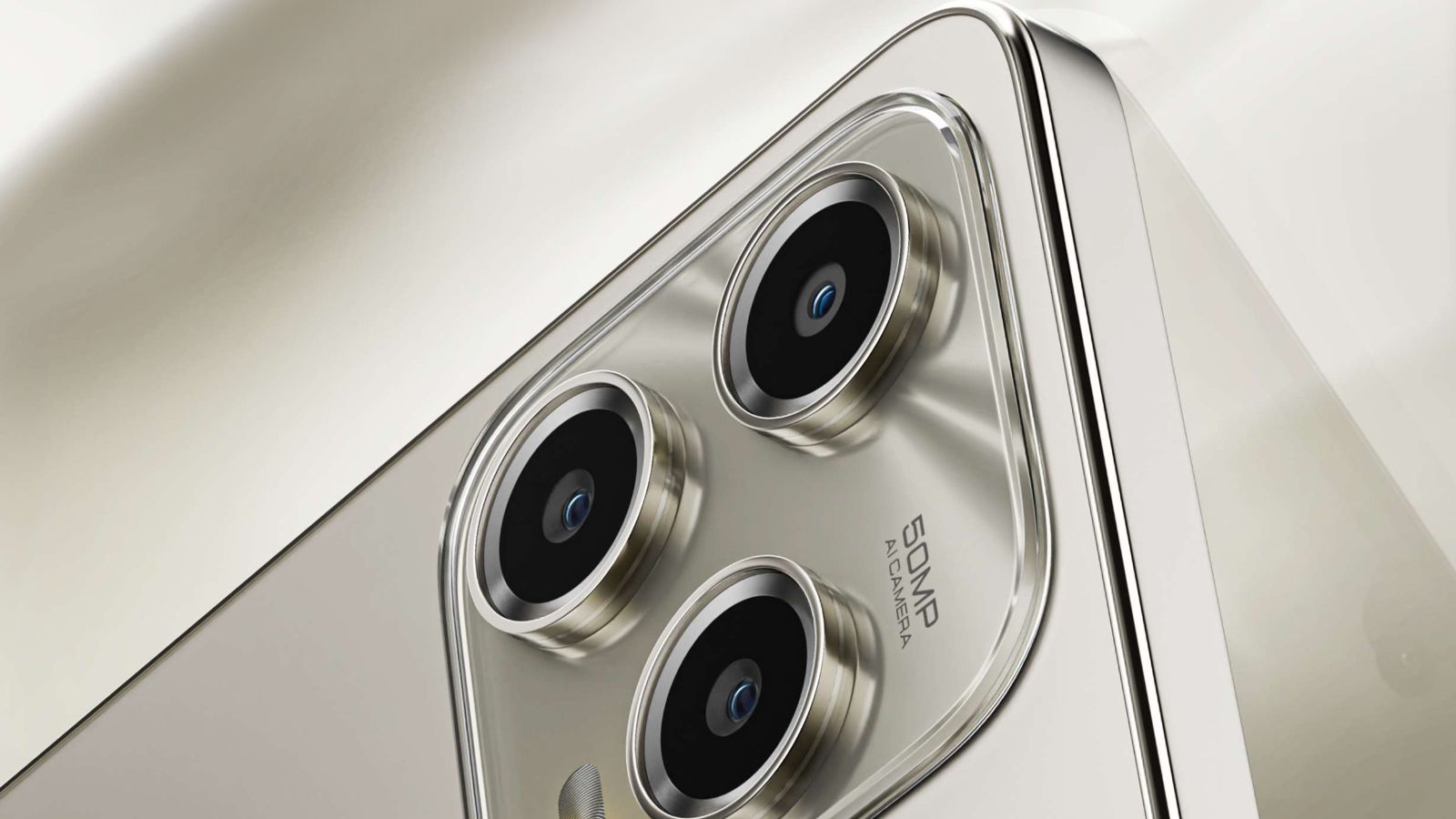
The 50MP main sensor captures detail in daylight and handles HDR reasonably well, though the resulting images are sharp more on paper than in hand—50MP resolution doesn't compensate for optics that are tuned for a budget. The autofocus works, and the LED flash fires, but low-light shots are grainy and soft. Video maxes out at 1080p at 30 fps, fine for quick clips to share, but anyone who shoots regularly will notice the chop and limited bitrate. The 8MP front camera is a basic video-call tool; don't expect flattering selfies. This is a camera that works, not one that impresses; it slots firmly into the 'adequate for proof-of-life' box.
Battery & Charging
The 5000 mAh cell is the real story here. In moderate daily use—a mix of messaging, browsing, and video—expect one and a half to two days before you need a charger. At lighter use, you can squeeze two to three days. For heavy users, one full day is more realistic, but even that's respectable for the price. The 18W wired charging tops up the battery in roughly 90 minutes to two hours from zero, which is slow by current standards; rivals at 80 euros now offer 30W or higher. There's no wireless charging, which is expected at this price. For someone who tops up overnight or carries a power bank, the battery endurance more than makes up for the leisurely charge speed.
Value & Verdict Context
At 80 euros, the Shark 4G targets users in emerging markets where dual SIM, a large screen, and battery stamina matter more than sharp pixels or raw speed. It is a phone that does its job without drama: calls, texts, maps, basic apps, and light video all work. What you're not getting is a polished or quick experience—the soft display and laggy multitasking are real frictions that a user will live with daily. For the money, it is a decent option if you value toughness and longevity over snappiness, and if your usage is light and deliberate. But if you scroll heavy or juggle many apps, a used mid-range phone from a year or two ago, or a competing budget model with a sharper screen and a faster chip, would serve you better. Lava is betting you'll tolerate the trade-offs; if your needs are modest, you probably will.
Verdict
The Shark 4G makes sense for light users in cost-conscious markets who need dual SIM, day-and-a-half battery life, and rugged durability but can live with a soft display and entry-level performance. Anyone who scrolls heavily, plays games, or expects snappy multitasking should look at a competing budget phone with a sharper screen or a 2023–2024 mid-range device instead.
- 5000 mAh battery delivers real multi-day endurance even at moderate use, a genuine strength for the price tier
- Dual Nano-SIM support without having to give up expandable storage (microSDXC slot present), useful for emerging markets and travelers
- 120Hz IPS LCD on a 6.67-inch screen makes scrolling smooth despite the low resolution; the size-to-weight ratio is reasonable at 200g
- Includes headphone jack and FM radio, features most 2025 budget phones have stripped to save cost
- 720p resolution on a 6.67-inch screen yields only 269 ppi; text and icons are visibly soft and pixelated up close, a real daily annoyance for this screen size
- Unisoc T606 with 4GB RAM drops frames and lags visibly when switching between heavy apps or during demanding tasks; don't expect smooth gameplay or video editing
- 18W charging from a 5000 mAh battery takes roughly 90 minutes to two hours; rivals at this price now offer 30W or faster
Lava Shark 4G Key Specifications
The essentials at a glance. See the full spec sheet.
| Released | 2025, March 25 |
|---|---|
| Display | 6.67 inches, 103.7 cm2 (~81.0% screen-to-body ratio), IPS LCD, 120Hz |
| Resolution | 720 x 1612 pixels, 20:9 ratio (~269 ppi density) |
| Chipset | Unisoc T606 (12 nm) |
| RAM & storage | 64GB 4GB RAM |
| Main camera | 50 MP, (wide), AF |
| Selfie camera | 8 MP |
| Battery | 5000 mAh |
| Charging | 18W wired |
| Software | Android 14 |
| Dimensions | 165.8 x 77.2 x 8.5 mm (6.53 x 3.04 x 0.33 in) |
| Weight | 200 g (7.05 oz) |
| Durability | IP54 dust protected and water resistant (water splashes) |
| Network | GSM / HSPA / LTE |
| NFC | No |
| USB | USB Type-C, OTG |
Lava Shark 4G FAQ
Common questions, answered from the spec sheet.
Does the Shark 4G support 5G?
No. The Shark 4G tops out at GSM / HSPA / LTE, without 5G.
What chipset does the Shark 4G use?
The Shark 4G runs on the Unisoc T606 (12 nm).
What display does the Shark 4G have?
A 6.67 inches, 103.7 cm2 (~81.0% screen-to-body ratio) IPS LCD, 120Hz, 720 x 1612 pixels, 20:9 ratio (~269 ppi density).
How big is the Shark 4G battery?
The Shark 4G has a 5000 mAh battery. Charging is rated at 18W wired.
Does the Shark 4G have NFC?
No, the Shark 4G does not list NFC support.
Is the Shark 4G water resistant?
The Shark 4G carries a IP54 dust protected and water resistant (water splashes) rating.
Does the Shark 4G support a microSD card?
Yes, the Shark 4G supports expandable storage (microSDXC).
Does the Shark 4G have a headphone jack?
Yes, the Shark 4G has a 3.5mm headphone jack.
Alternatives to consider
If the Shark 4G isn’t quite right, these are the closest calls.
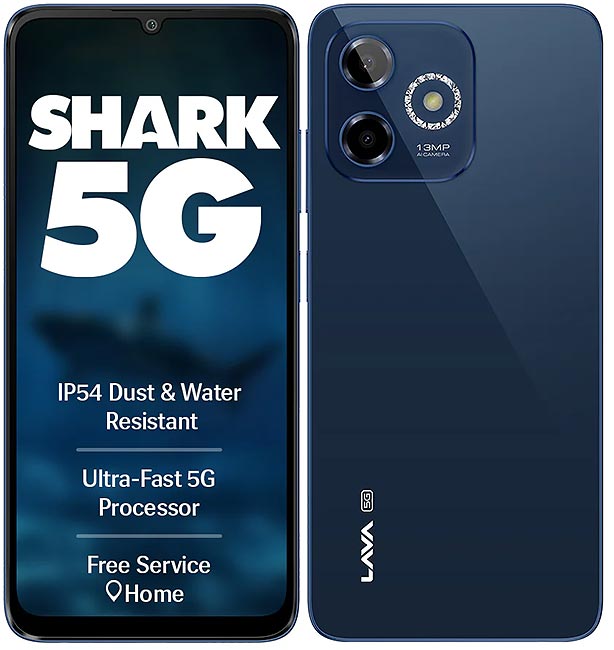
Lava Shark 5G
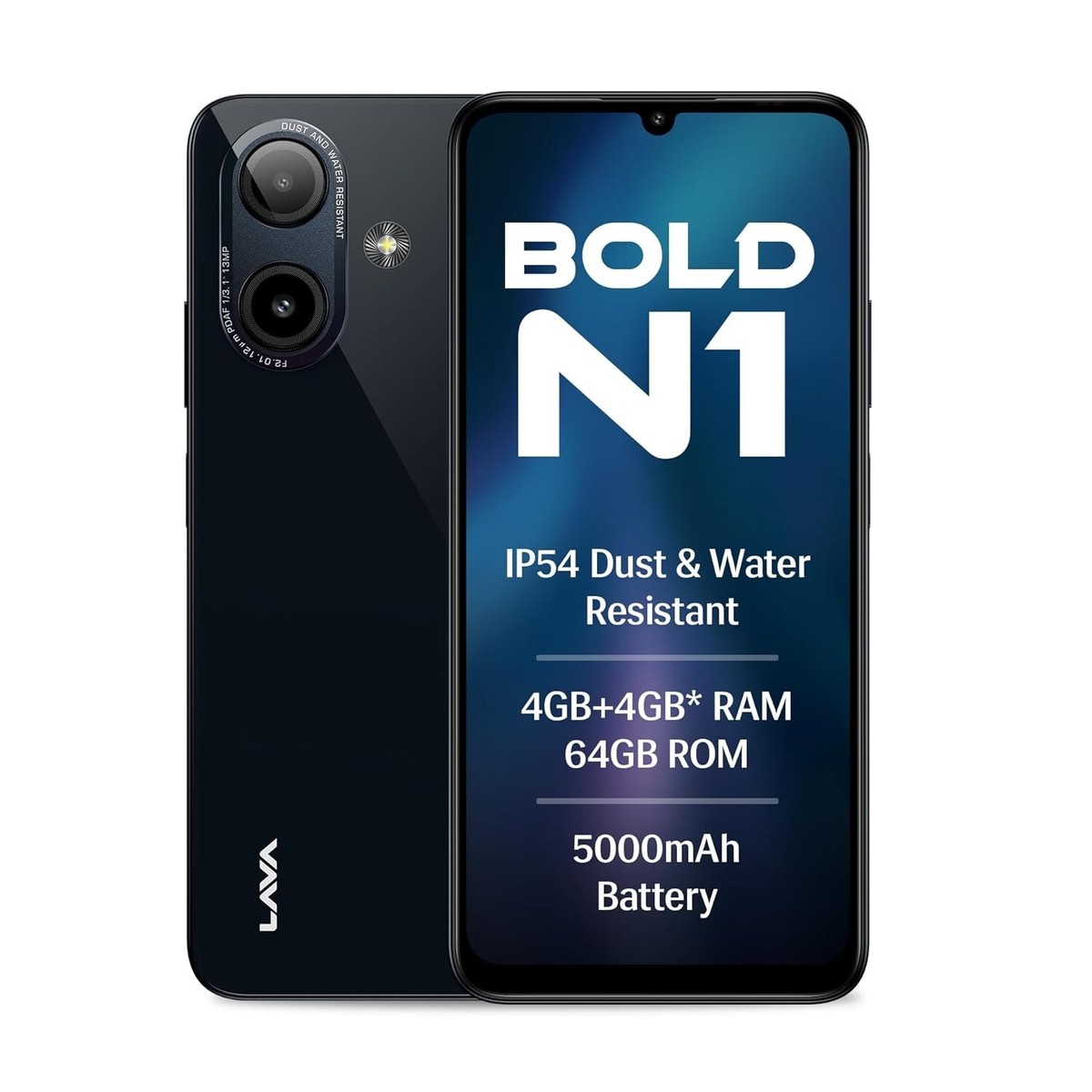
Lava Bold N1 5G
Lava Shark 2
Shark 2
Galaxy M17e