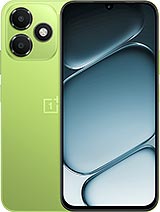
Lava Storm Lite review
This phone is for users who prioritize battery endurance and low price over fast charging and screen sharpness, and who live somewhere 5G is useful. Anyone who expects a daily quick charge or plans to watch video for hours should look at rivals at €100–120, which trade some battery life for noticeably faster charging and a clearer display.
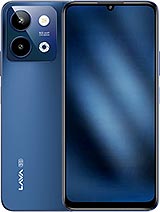
This review is written with AI assistance from Lava’s published specifications and public benchmark data for the Lava Storm Lite, and the rating is spec-based. GoSolo does not physically test devices; where we estimate real-world behaviour such as battery life or charge time, we say so. How we rate phones.
Overview
The Storm Lite is a budget 5G phone built for network access and battery endurance rather than speed or cameras. At €80, it delivers what you pay for—acceptable dailiness and a day-long charge—but the 720p screen, slow charging, and basic camera will feel limiting if you step up to rivals at €100-120.
Design & build
The Storm Lite is thin at 8.3 mm and light at 196 g, with a comfortable 6.75-inch frame that fits one-handed if you have larger hands. IP64 dust and splash resistance is reasonable for the price, though the spec sheet does not name any scratch protection on the LCD, so fingerprints and scuffs are a given. The side-mounted fingerprint reader is adequate but not particularly fast. This is a no-frills phone built to last a day without drama, not to impress on the shelf.
Display
The 6.75-inch IPS LCD with 120Hz refresh is the main lure for comfort. Scrolling is smooth, and for messaging and reading, the size is generous. But at 260 ppi and 720p resolution, text edges are soft at arm's length, and watching video or reading fine print without zoom reveals the trade-off. The LCD also lacks the punch and color depth of AMOLED rivals, even at twice the price. For someone spending most of their day on messaging and light browsing, it works; for media consumption or reading-heavy use, the resolution will frustrate.
Performance
The Dimensity 6400 is a mainstream midrange chip that keeps apps snappy and multitasking fluid for everyday tasks. You will not notice lag opening Gmail, scrolling Instagram, or switching between tools. Casual 3D games and lighter apps run smoothly, but sustained high-end gaming at high settings will cause noticeable frame dips and thermal throttling. The Mali-G57 MC2 GPU is not equipped for the latest 3D titles at full detail. For the vast majority of users—reading, messaging, streaming video at 1080p, social apps—this chip does its job without fuss.
Software
Android 15 is current out of the box, and Lava's typical approach on budget phones is a near-stock experience with minimal bloat. That is a strength in this price range, where every megabyte of RAM counts. Updates and security patches are the question; Lava typically commits to one or two years of updates on budget lines, so plan to keep this phone only if you accept an eventual drift out of sync with latest Android. For a €80 phone, a year of regular support is fair; ask the retailer about Lava's actual timeline before buying.
Camera
The 50MP main sensor with LED flash and HDR is the only rear option, and it captures daytime snapshots adequately in good light. HDR helps with contrast, and the sensor resolves detail for prints up to A4 size. But without a macro mode or telephoto, you are stuck stepping back for wide shots or moving closer for detail work. The 5MP selfie camera is basic but serviceable for video calls. Low-light performance is basic—expect noisy, dim shots without a dedicated night mode. This is a phone for people who snap quick daylight photos; it is not for enthusiasts or anyone who shoots regularly in poor light.
Battery & charging
The 5000 mAh battery is the standout. In light to moderate use—messaging, email, light browsing, one to two hours of video—you get about 6 to 8 hours of active screen time per charge, easily stretching to a full day without a midday top-up. On heavier days, you will need an evening charge, but the raw capacity means this phone rarely dies unexpectedly. The trade-off is 15W charging, which takes about 2 hours from 0 to 100 percent. That is slow by 2025 standards; rivals at €100–120 now offer 30W to 45W, cutting charge time in half. If you have time to charge overnight or live near power, this is not an issue. If you need a 30-minute boost mid-day, look elsewhere.
Value & verdict-context
At €80, the Storm Lite sits in the no-frills entry 5G segment. It does exactly what it promises: acceptable daily performance, long battery life, and network coverage where 5G is rolling out. The headphone jack and microSD slot are uncommon at this price and add real value for users who need them. Against rivals in the €100–120 range—phones with faster charging, sharper 1080p displays, and slightly faster chips—the Storm Lite loses on speed and charging but wins on battery capacity and price. It loses clearly against flagships, which is expected. The real question is whether the €20–40 saving justifies the slow charge time and soft display. For students, budget travelers, and anyone who needs reliable dailiness and does not mind overnight charging, the answer is yes.
Verdict
This phone is for users who prioritize battery endurance and low price over fast charging and screen sharpness, and who live somewhere 5G is useful. Anyone who expects a daily quick charge or plans to watch video for hours should look at rivals at €100–120, which trade some battery life for noticeably faster charging and a clearer display.
- 5000 mAh battery easily clears a full day of light to moderate use
- 5G support at this price, useful where networks are rolling out
- Headphone jack and microSD slot retained for people who need them
- Large 6.75-inch display with 120Hz refresh for comfortable reading and scrolling
- 15W charging is slow—expect 2 hours to full, slower than 30-40W rivals at this price
- 720p LCD is soft and fingerprint-prone; fine for text and apps, limiting for video and photos
- Single rear camera with no zoom or macro; basic low-light performance
Lava Storm Lite Key Specifications
The essentials at a glance. See the full spec sheet.
| Released | 2025, June 13 |
|---|---|
| Display | 6.75 inches, 110.0 cm2 (~83.4% screen-to-body ratio), IPS LCD, 120Hz |
| Resolution | 720 x 1600 pixels, 20:9 ratio (~260 ppi density) |
| Chipset | Mediatek Dimensity 6400 (6 nm) |
| RAM & storage | 64GB 4GB RAM, 128GB 4GB RAM |
| Main camera | 50 MP |
| Selfie camera | 5 MP |
| Battery | 5000 mAh |
| Charging | 15W wired |
| Software | Android 15 |
| Dimensions | 168.8 x 78.1 x 8.3 mm (6.65 x 3.07 x 0.33 in) |
| Weight | 196 g (6.91 oz) |
| Durability | IP64 dust tight and water resistant (water splashes) |
| Network | GSM / HSPA / LTE / 5G |
| NFC | No |
| USB | USB Type-C 2.0, OTG |
Lava Storm Lite FAQ
Common questions, answered from the spec sheet.
Does the Storm Lite support 5G?
Yes. The Storm Lite supports 5G networks.
What chipset does the Storm Lite use?
The Storm Lite runs on the Mediatek Dimensity 6400 (6 nm).
What display does the Storm Lite have?
A 6.75 inches, 110.0 cm2 (~83.4% screen-to-body ratio) IPS LCD, 120Hz, 720 x 1600 pixels, 20:9 ratio (~260 ppi density).
How big is the Storm Lite battery?
The Storm Lite has a 5000 mAh battery. Charging is rated at 15W wired.
Does the Storm Lite have NFC?
No, the Storm Lite does not list NFC support.
Is the Storm Lite water resistant?
The Storm Lite carries a IP64 dust tight and water resistant (water splashes) rating.
Does the Storm Lite support a microSD card?
Yes, the Storm Lite supports expandable storage (microSDXC).
Does the Storm Lite have a headphone jack?
Yes, the Storm Lite has a 3.5mm headphone jack.
Alternatives to consider
If the Storm Lite isn’t quite right, these are the closest calls.
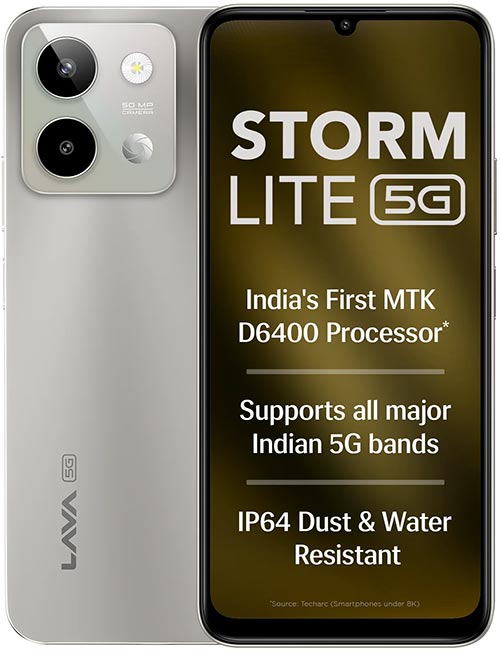
Lava Storm Lite 5G
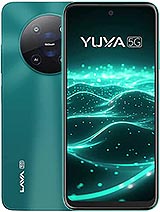
Yuva 2 5G
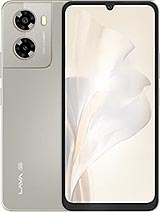
Blaze Dragon
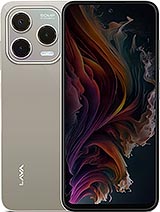
Shark 4G
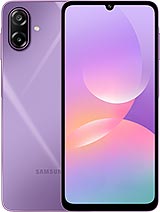
Galaxy M17e