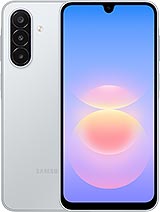
Lava Virat Curve review
The Virat Curve suits buyers in global-south markets who prioritize battery life and a bright AMOLED screen over raw performance or camera versatility. Skip it if you multitask heavily, shoot photos often, or need 4K video—rivals with 8GB RAM and multi-camera setups offer better longevity at the same price."
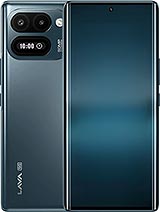
This review is written with AI assistance from Lava’s published specifications and public benchmark data for the Lava Virat Curve, and the rating is spec-based. GoSolo does not physically test devices; where we estimate real-world behaviour such as battery life or charge time, we say so. How we rate phones.
Overview
The Lava Virat Curve is a €180 global-south phone that slots itself as an attainable 5G device with a 6.67" AMOLED screen and 6000mAh battery, but the Dimensity 7100 and shallow 6GB RAM pairing feels stretched between mid-range aspirations and budget reality. It hits the right notes for length and brightness, but weak single cameras and modest performance leave little room for compromise at the price.
Design & Build
At 184g and 8.6mm, the Virat Curve is pleasantly slim and light enough to handle daily use without fatigue. The AMOLED panel on the rear is a practical touch—useful for quick glances at time and notifications without waking the main display. Build quality leans toward durability; IP64 dust and splash resistance covers most real-world mishaps, and MIL-STD-810H compliance suggests it can handle the bumps of a developing-market commute. The 90% screen-to-body ratio on a 6.67" panel is generous for the price tier, and the Nano-SIM setup allows dual connectivity across many regions. However, at this size and weight, the phone lands firmly in the portable middle ground—not quite pocketable for smaller hands, but not a slab either.
Display
The 6.67" AMOLED panel is the Virat Curve's strongest asset. At 1080×2400 (395 ppi), sharpness is adequate for a screen this size; text and icons remain crisp at typical viewing distances, and the 120Hz refresh rate keeps scrolling fluid. Peak brightness of 1100 nits is solid enough to read in direct sunlight, and AMOLED blacks are rich and deep—this is where budget phones often disappoint, and Lava has not. The 20:9 aspect ratio is now standard, and the high screen-to-body ratio means less bezel waste. The color gamut promise of 1 billion colors is marketing speak, but the panel itself should deliver natural color balance. For a phone at this price, a 120Hz AMOLED is a genuine perk that many rivals still skip.
Performance
The Dimensity 7100 is a capable upper-midrange chip by 2026 standards, built on a modern 6nm process and pairing quad Cortex-A78 cores with quad A55 efficiency cores. On paper, it handles everyday multitasking, social media, and casual gaming without strain. However, 6GB of RAM is the soft spot—it's the bare minimum for Android 16 and leaves little breathing room once you open 8 to 10 apps simultaneously. Gaming performance will depend on title and resolution; demanding 3D games will run but not at high frame rates. The Mali-G610 MC2 GPU is not a standout, and you should expect moderate, not cutting-edge, graphics. For browsing, messaging, and video streaming, the Virat Curve stays competent. For anything more intensive, rivals with 8GB and faster GPUs at similar prices will pull ahead.
Software
Android 16 is current at launch (September 2026), giving the phone a fresh foundation and the promise of two major OS updates—a reasonable commitment for a budget device. Custom skin, features, and update cadence depend on Lava's software support, which in global-south markets can be inconsistent; users should not expect speedy monthly patches or extended support. The optical under-display fingerprint sensor is reliable on AMOLED, though slightly slower than capacitive alternatives—this is a minor trade-off for a phone at this price.
Camera
The 50MP main sensor with PDAF is a solid foundation, and the 1/2.8" size paired with a 50MP resolution means per-pixel detail sits in the middle of the road—not exceptional, but serviceable for daylight and well-lit scenes. LED flash and HDR are baseline; panorama mode is a luxury few still use. Real-world output depends on Lava's image processing, which is often a weak point for lesser-known brands in this tier. The 13MP selfie camera is adequate for video calls and social content. Video is capped at 1440p@30fps, which is passable but trails rivals that offer 4K; for most users, this is forgivable. The absence of an ultra-wide or telephoto is expected at €180, but it does mean you're always shooting at one focal length. If you rely on wide-angle shots or zoom for travel or events, this phone will feel limiting.
Battery & Charging
The 6000mAh battery is substantial—expect 1.5 to 2 days of mixed use depending on screen brightness and app load. The Virat Curve should comfortably outlast competitors with smaller packs at this price. Charging speed is not detailed in the spec sheet (though the broader lineup hints at 45W support), but if it delivers 45W, expect about 50–60 minutes to a full charge, which is standard for mid-range 2026 phones. Slower than flagships, yes, but not a deal-breaker for daily rotation.
Value & Verdict
At €180, the Virat Curve targets buyers in emerging markets where 5G support, AMOLED display, and dual SIM matter more than raw power. It is a sensible device for light work and media consumption, and the battery life is a genuine strength. However, 6GB of RAM and a single camera setup leave little room for growth or experimentation. The lack of expandable storage (128GB only) is a design choice that limits flexibility. Competitors at this price—especially from Xiaomi, Realme, and Infinix—often pack 8GB RAM and more varied optics. The Virat Curve plays it safe and hits a clear middle; it is not a bad phone, but it is not a standout either.
Verdict
The Virat Curve suits buyers in global-south markets who prioritize battery life and a bright AMOLED screen over raw performance or camera versatility. Skip it if you multitask heavily, shoot photos often, or need 4K video—rivals with 8GB RAM and multi-camera setups offer better longevity at the same price."
- 6000mAh battery with roughly 1.5–2 days of real-world endurance, a genuine advantage over smaller competitors at the price
- 120Hz AMOLED display with 1100 nits peak brightness—many rivals still use LCD at this tier
- Light (184g) and trim (8.6mm), with practical rear mini-display and IP64 durability for developing-market use
- 6GB RAM is too tight for Android 16; expect noticeable lag in heavy multitasking within months
- Single 50MP camera with no ultra-wide or zoom; relying on one focal length feels restrictive in 2026
- Dimensity 7100 and Mali-G610 GPU will struggle with demanding games and 4K video editing
Lava Virat Curve Key Specifications
The essentials at a glance. See the full spec sheet.
| Released | 2026, September 21 |
|---|---|
| Display | 6.67 inches, 107.4 cm2 (~90.0% screen-to-body ratio), AMOLED, 1B colors, 120Hz, 1100 nits (peak) |
| Resolution | 1080 x 2400 pixels, 20:9 ratio (~395 ppi density) |
| Chipset | Mediatek Dimensity 7100 (6 nm) |
| RAM & storage | 128GB 6GB RAM |
| Main camera | 50 MP, (wide), 1/2.8", PDAF |
| Selfie camera | 13 MP |
| Battery | 6000 mAh |
| Software | Android 16, up to 2 major OS updates |
| Dimensions | 162.3 x 73.5 x 8.6 mm (6.39 x 2.89 x 0.34 in) |
| Weight | 184 g (6.49 oz) |
| Durability | IP64 dust tight and water resistant (water splashes) MIL-STD-810H compliant* * does not guarantee ruggedness or use in extreme conditions Rear mini display |
| Network | GSM / HSPA / LTE / 5G |
| NFC | No |
| USB | USB Type-C 3.2, OTG |
Lava Virat Curve FAQ
Common questions, answered from the spec sheet.
Does the Virat Curve support 5G?
Yes. The Virat Curve supports 5G networks.
What chipset does the Virat Curve use?
The Virat Curve runs on the Mediatek Dimensity 7100 (6 nm).
What display does the Virat Curve have?
A 6.67 inches, 107.4 cm2 (~90.0% screen-to-body ratio) AMOLED, 1B colors, 120Hz, 1100 nits (peak), 1080 x 2400 pixels, 20:9 ratio (~395 ppi density).
How big is the Virat Curve battery?
The Virat Curve has a 6000 mAh battery.
Does the Virat Curve have NFC?
No, the Virat Curve does not list NFC support.
Is the Virat Curve water resistant?
The Virat Curve carries a IP64 dust tight and water resistant (water splashes) MIL-STD-810H compliant* * does not guarantee ruggedness or use in extreme conditions Rear mini display rating.
Does the Virat Curve support a microSD card?
No, the Virat Curve does not support expandable storage.
Alternatives to consider
If the Virat Curve isn’t quite right, these are the closest calls.
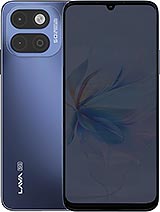
Virat V1 Pro
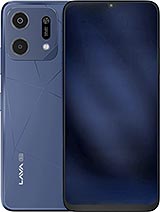
Virat V1
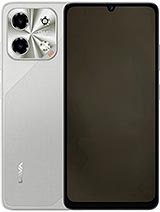
Shark 2
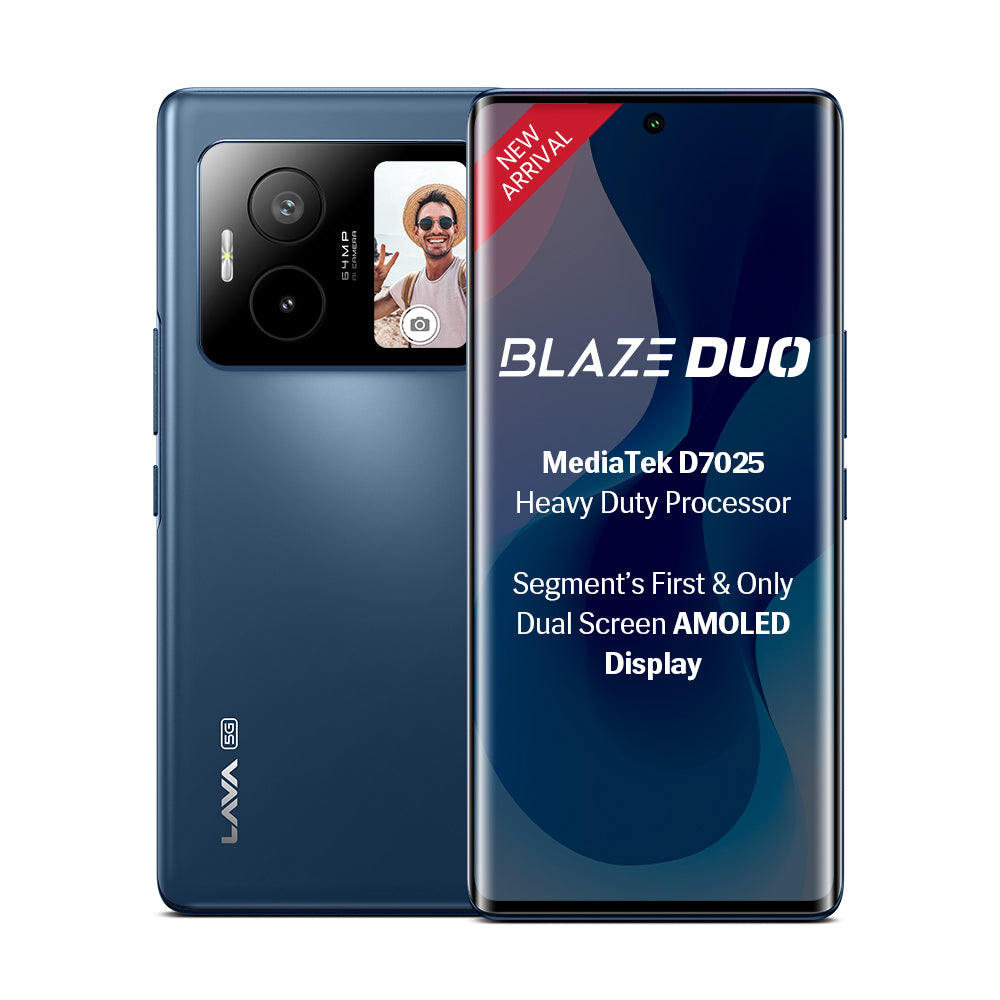
Blaze Duo 3
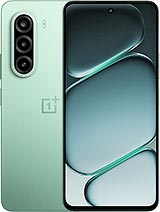
Turbo 6X