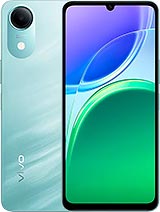
Lava Yuva Star 2 review
Suit it for someone in a global-south market on a tight budget who values battery endurance and dual-SIM over screen clarity and speed, and does not plan to run apps beyond messaging, social media, and video. Look elsewhere if you want a responsive phone or a sharper screen.
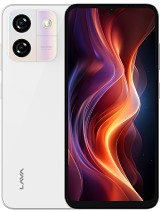
This review is written with AI assistance from Lava’s published specifications and public benchmark data for the Lava Yuva Star 2, and the rating is spec-based. GoSolo does not physically test devices; where we estimate real-world behaviour such as battery life or charge time, we say so. How we rate phones.
Overview
The Lava Yuva Star 2 is a bare-bones €70 entry phone built for essential calls, texts, and light browsing in markets where budget matters most. The 5000 mAh battery outlasts its rivals, but the dim screen and slow chipset mean anything beyond the basics will feel sluggish.
Design & build
At 193 grams and 8.8 mm thick, the Yuva Star 2 is a normal-sized phone for 2024, not particularly light or hefty. The body is plastic with dust and water resistance, which is expected at this price and gives you some peace of mind in rough conditions. The glossy finish on the three color options (black, lavender, white) attracts fingerprints but feels intentional rather than cheap. Nothing here surprises, which is fine—there are no build shortcuts that will bite you.
Display
A 6.75-inch, 720×1600 IPS LCD screen is large and means fewer squints on a tight budget. But 260 ppi is where the phone shows its cost. Text, icons, and photos look noticeably softer than entry-level rivals that now pack 300+ ppi at similar or lower prices. The screen is bright enough for outdoor use and colors are warm and natural, but side-by-side with a budget phone from a year ago, the pixel density is a real step backward. For heavy readers or anyone spending hours on this screen, that blurriness will wear.
Performance
The Unisoc SC9863A is an entry-level chip from 2019. With 4 GB of RAM, basic tasks—calls, texts, simple browsing, social media scrolling—run without stalling. Anything heavier, like gaming, heavy multitasking, or photo editing, will lag noticeably or stutter. Android 14 Go edition keeps the OS lean, and that helps, but the CPU cores are just too slow to hide. Real-world usage will feel snappy in the morning and slow by afternoon if you load it up. The GPU is weak enough that even light games will drop frames. This is not a phone for anyone who wants room to grow into app-heavy workflows.
Software
Android 14 Go edition is optimized for low-end hardware. It comes with lighter, data-friendly versions of Gmail, Maps, YouTube, and other Google apps, which matters in markets with limited mobile data. The OS itself is clean and fast on this hardware, and Lava's skin is minimal—no bloat to strip away. Updates are uncertain, though—Lava's track record on long-term software support is patchy at best. You'll likely get security patches for a year, but major version jumps beyond Android 14 are questionable.
Camera
The 13 MP main sensor is basic. In daylight with good light, photos are acceptable for social sharing—colors are present, detail is okay. HDR is on board, which helps with backlit scenes. But push it into shadow or dusk, and noise becomes obvious and detail drops sharply. The 5 MP selfie camera is fine for video calls and casual snaps; do not expect flattery. 1080p video at 30 fps is standard, not a weakness, but the low light performance means most indoor videos will look noisy. There is no ultrawide, macro, or depth sensor—just the main shooter and fill flash. For a €70 phone, the camera is proportional to the price.
Battery & charging
5000 mAh is the phone's strongest point. With light to moderate use—calling, messaging, some browsing—you will confidently go beyond one full day, often into a second. Heavy video streaming or gaming will drain it faster, but for basic use it outlasts most rivals at this price. Charging is slow: 10W wired takes about 2.5–3 hours from empty. That is not a phone you top up between meetings; plan charging sessions for overnight or long breaks. USB Type-C and OTG support are standard modern niceties.
Value & verdict-context
At €70, the Yuva Star 2 slots into the ultra-budget segment where the buyer hierarchy is ruthless: battery life and dual-SIM capability often matter more than screen sharpness or processing power. Compared to rivals at this price in 2024–2025, the phone is neither clearly better nor clearly worse. It wins on battery, loses on screen pixel density and raw speed, and trades evenly on camera and build. In markets like India, Nigeria, and Southeast Asia where this phone is sold, it is a functional choice for someone working within tight constraints—a second phone for dual SIM, a backup device, or a primary if your usage really is just calls and chat. Do not buy it expecting smoothness; buy it knowing exactly what you are getting.
Verdict
Suit it for someone in a global-south market on a tight budget who values battery endurance and dual-SIM over screen clarity and speed, and does not plan to run apps beyond messaging, social media, and video. Look elsewhere if you want a responsive phone or a sharper screen.
- 5000 mAh battery delivers about 1.5–2 days of real-world use, beating similarly priced rivals
- Dedicated microSD slot lets you actually expand storage without sacrificing a SIM
- Side-mounted fingerprint and Android 14 Go edition keep the experience lean and responsive for its class
- Dual Nano-SIM and FM radio support common in global-south markets
- 260 ppi screen is noticeably soft; text looks blurry compared to budget phones at this price point now
- 10W charging takes 2.5–3 hours from zero, and the Unisoc SC9863A is so weak that games and heavy apps will lag or stall
- 13 MP camera is basic even for this tier—low-light shots show significant noise
Lava Yuva Star 2 Key Specifications
The essentials at a glance. See the full spec sheet.
| Released | 2024, August 06 |
|---|---|
| Display | 6.75 inches, 110.0 cm2 (~87.6% screen-to-body ratio), IPS LCD |
| Resolution | 720 x 1600 pixels, 20:9 ratio (~260 ppi density) |
| Chipset | Unisoc SC9863A (28 nm) |
| RAM & storage | 64GB 3GB RAM, 64GB 4GB RAM |
| Main camera | 13 MP, (wide), AF auxiliary lens |
| Selfie camera | 5 MP |
| Battery | 5000 mAh |
| Charging | 10W wired |
| Software | Android 14 (Go edition) |
| Dimensions | 165 x 76.1 x 8.8 mm (6.50 x 3.00 x 0.35 in) |
| Weight | 193 g (6.81 oz) |
| Durability | Dust & Water Resistant |
| Network | GSM / HSPA / LTE |
| NFC | No |
| USB | USB Type-C 2.0, OTG |
Lava Yuva Star 2 FAQ
Common questions, answered from the spec sheet.
Does the Yuva Star 2 support 5G?
No. The Yuva Star 2 tops out at GSM / HSPA / LTE, without 5G.
What chipset does the Yuva Star 2 use?
The Yuva Star 2 runs on the Unisoc SC9863A (28 nm).
What display does the Yuva Star 2 have?
A 6.75 inches, 110.0 cm2 (~87.6% screen-to-body ratio) IPS LCD, 720 x 1600 pixels, 20:9 ratio (~260 ppi density).
How big is the Yuva Star 2 battery?
The Yuva Star 2 has a 5000 mAh battery. Charging is rated at 10W wired.
Does the Yuva Star 2 have NFC?
No, the Yuva Star 2 does not list NFC support.
Is the Yuva Star 2 water resistant?
The Yuva Star 2 carries a Dust & Water Resistant rating.
Does the Yuva Star 2 support a microSD card?
Yes, the Yuva Star 2 supports expandable storage (microSDXC (dedicated slot)).
Does the Yuva Star 2 have a headphone jack?
Yes, the Yuva Star 2 has a 3.5mm headphone jack.
Alternatives to consider
If the Yuva Star 2 isn’t quite right, these are the closest calls.
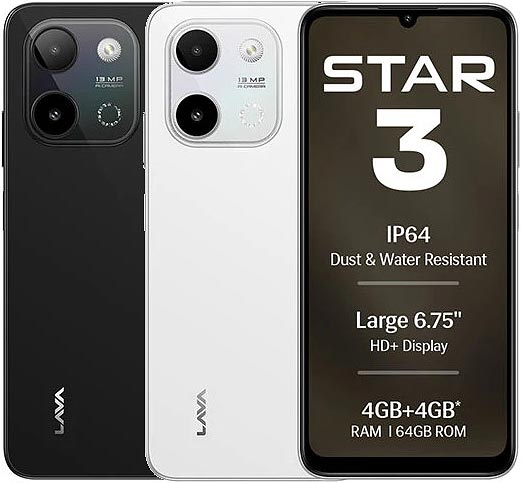
Yuva Star 3
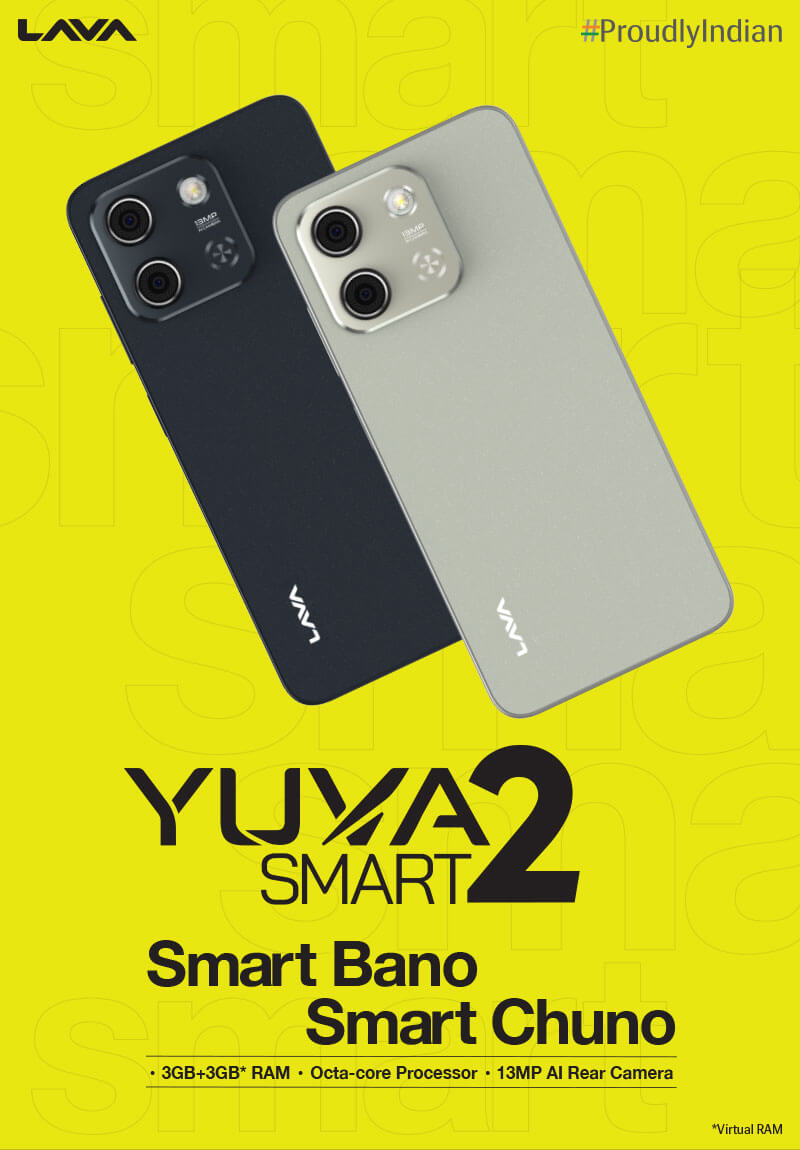
Yuva Smart
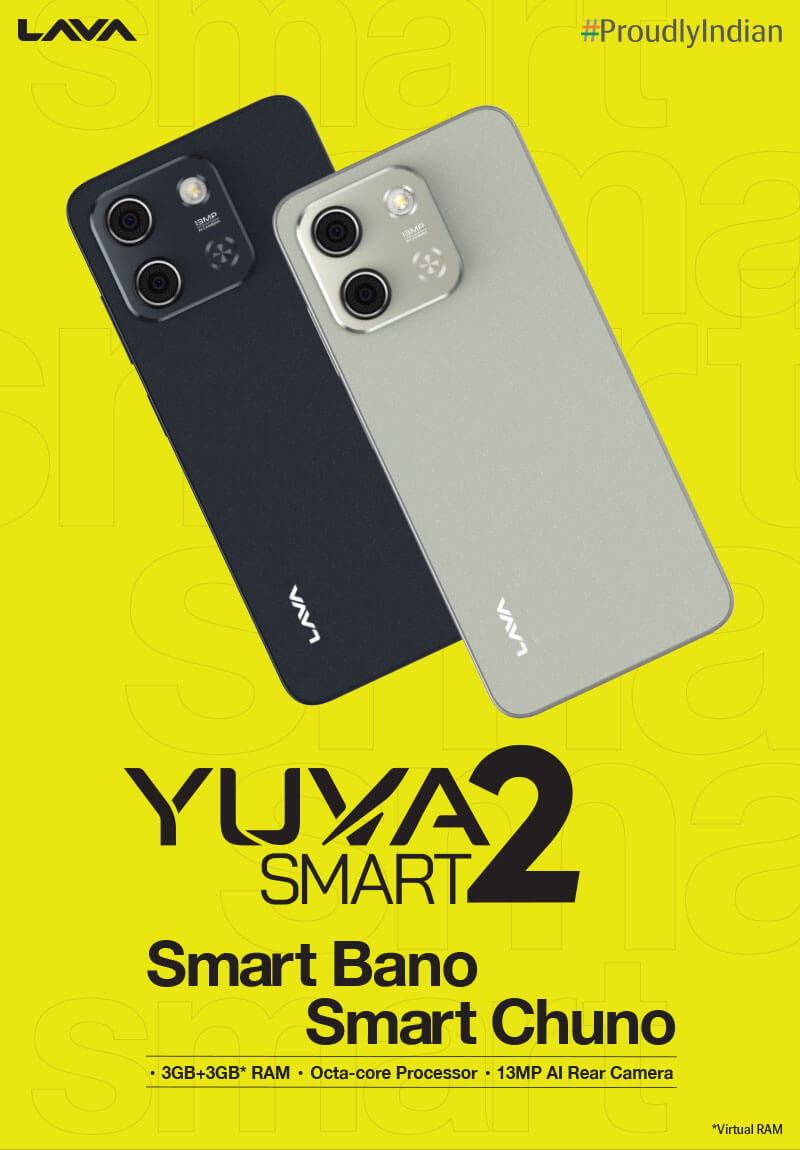
Lava Yuva Smart 2
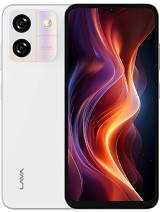
Yuva Star
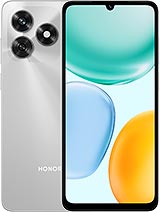
Play 70C