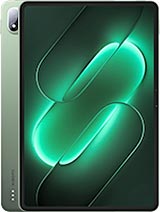
Lenovo Yoga Tab Gen 2 review
The Yoga Tab Gen 2 suits Android-first users and creatives who want a thin, powerful tablet with a world-class display and real stylus workflow, but can live with modest cameras and battery life that demands a charging habit. Anyone prioritizing photography, all-day independence, or a flawless app experience should look elsewhere.
This review is based on Lenovo’s published specifications and public benchmark data for the Lenovo Yoga Tab Gen 2, and the rating is spec-based. GoSolo does not physically test devices; where we estimate real-world behaviour such as battery life or charge time, we say so. How we rate phones.
Overview
The Yoga Tab Gen 2 is a thin, light 11-inch tablet with a sharp 3840×2560 display and flagship Dimensity 9500s chip, aimed at creatives and media consumers willing to accept a modest camera setup and stylus-only input. For €650 it is a credible alternative to iPad Air if your workflow leans on Android, deep file control, and expandable storage rather than ecosystem lock-in.
Design & build
Lenovo has nailed the handling here. At 480g and 6.2mm thin, this tablet feels pocket-friendly for an 11-inch slab—competitors of this size typically weigh 500g-600g and feel chunky by comparison. The glass front with Gorilla Glass 7i and aluminum frame strike a balance: rigid enough to trust with the magnetic stylus, light enough that you do not fatigue holding it for long sessions. The magnetic stylus connector and RGB notification light on the back signal a device aimed at users who care about workflow, not just specs. Build quality is plainly competent; there are no cheap creaks or flex. This is a tablet that will survive pocket carry and desk work without complaint.
Display
This is the Yoga Tab Gen 2's calling card. An 11.1-inch IPS LCD at 3840×2560 pixels yields 416ppi—sharp enough that pixel grain vanishes at normal viewing distance. The 144Hz refresh rate is overkill for content consumption but makes stylus input feel immediate, and the 3:2 aspect ratio is better for reading and productivity than wide-screen tablets. Peak brightness of 1100 nits is excellent for outdoor use, though 600 nits typical brightness means you will tap that peak reserve more often than on OLED competitors. The Dolby Vision support is real and usable if you watch compatible streaming content. Compared to iPad Air's 2360×1668 at the same diagonal, this display is a visible step up in clarity; the trade-off is that no tablet app was designed for this resolution, so you will see letterboxing or scaling on most apps. That is a real friction point for productivity work.
Performance
The Dimensity 9500s is a current flagship chip, and on paper it runs circles around what most 11-inch tablets need. In practice, you will not feel the difference in daily use—scrolling through apps, editing documents, light video playback all run smoothly. The GPU handles gaming and video work without hiccup. The real win is that this processor leaves headroom: multitasking feels responsive, app switching is instant, and you are not sweating performance three years from now. The memory split matters: 8GB RAM on the 128GB model is adequate; the 256GB variant with 12GB RAM is the smarter pick if you plan to run heavy creative apps or keep many tabs open. Storage speeds are solid, with UFS 4.0 on the 256GB model significantly faster than the older 3.1 standard on the 128GB version.
Software
Android 17 is current and Lenovo promises seven major OS updates, which is respectable. This is vanilla Android with minimal bloat—Lenovo has learned the lesson that people choosing Android tablets do not want vendor skin getting in the way. File access is granular and the system respects the microSDXC slot as true expandable storage, not just media dumping ground. The real-world value here is choice: unlike iPadOS, you can sideload apps, use file managers that see your entire storage tree, and swap default apps. That matters to people migrating from desktop workflows. The flip side is that tablet apps for Android still lag iOS in quantity and optimization; if your work relies on specific pro apps, verify they exist and work well on Android before committing.
Camera
This is where the Yoga Tab Gen 2 stumbles. The 13MP main sensor at f/2.2 with basic autofocus is functional but uninspired, and the 8MP selfie is worse. Neither will impress if you shoot photos or video regularly—they are bottom-tier even for tablets, let alone a €650 flagship device. Lenovo has clearly de-prioritized cameras, which is an odd choice for a content creation-friendly device with stylus input and a stellar display. If you care about media capture, a budget-tier smartphone will outshoot this tablet. If you only snap occasional reference photos or handle video calls, the cameras are not deal-breakers; they are just not a strength.
Battery & charging
An 11000mAh battery sounds substantial, but the combination of a 144Hz display running at 3840×2560 creates real power draw. Real-world battery life is likely in the 7-10 hour range under mixed use, which means this is not an all-day road warrior without a charger. The spec sheet lists 68W charging support, which is decent—not leading-edge like some Android tablets at 120W, but fast enough that a lunchtime top-up moves the needle. For heavy media work or long flights, plan to carry power or find an outlet. The battery choice makes sense for a thin, light tablet; it is just not overstated endurance.
Value & verdict context
At €650, the Yoga Tab Gen 2 sits in the iPad Air price band, and the comparison is inevitable. The iPad Air has a more mature app ecosystem, better cameras, and all-day battery life. But if you value Android's openness, stylus support from day one, expandable storage, and a display that punches above its weight, Lenovo's offer has real appeal. This tablet serves content creators and power users more than casual consumers. The weak cameras and modest battery life are genuine compromises, not minor quirks. The high-resolution display will only shine if you actually exploit it—reading, creative work, or detailed media consumption. If you plan to use it as an expensive media player and email machine, a cheaper iPad or Samsung Galaxy Tab will do the job just fine.
Verdict
The Yoga Tab Gen 2 suits Android-first users and creatives who want a thin, powerful tablet with a world-class display and real stylus workflow, but can live with modest cameras and battery life that demands a charging habit. Anyone prioritizing photography, all-day independence, or a flawless app experience should look elsewhere.
- Display is genuinely exceptional: 11.1 inches at 3840×2560 with 144Hz and Dolby Vision hits a resolution density that rivals high-end monitors and outpaces most tablets
- Feather-light at 480g and just 6.2mm thick, with a glass and aluminum frame that feels solid without the weight penalty of competing devices
- Magnetic stylus and expandable microSDXC storage give it a real edge for creators and people who want control over their files—neither standard on iPads at this price
- Dimensity 9500s is current-generation and handles multitasking and creative apps without stutter; fast UFS 4.0 storage on the 256GB variant helps
- 13MP main camera and 8MP selfie are weak for a €650 tablet; they are bottom-tier even by 2026 standards and will disappoint anyone who shoots photos or video regularly
- 11000mAh battery sounds generous but with a 144Hz display at that resolution, real-world battery life is likely modest—day-long heavy use is not guaranteed
- No cellular option locks you into Wi-Fi only; fine for home use but limits portability compared to 4G/5G-capable tablet rivals
Lenovo Yoga Tab Gen 2 Key Specifications
The essentials at a glance. See the full spec sheet.
| Released | 2026, September 03 |
|---|---|
| Display | 11.1 inches, 366.9 cm2 (~84.6% screen-to-body ratio), IPS LCD, 1B colors, 144Hz, Dolby Vision, 600 nits (typ), 1100 nits (peak) |
| Resolution | 3840 x 2560 pixels, 3:2 ratio (~416 ppi density) |
| Chipset | Mediatek Dimensity 9500s (3 nm) |
| RAM & storage | 128GB 8GB RAM, 256GB 12GB RAM |
| Main camera | 13 MP, f/2.2, (wide), AF |
| Selfie camera | 8 MP, (wide) Auxiliary lens |
| Battery | 11000 mAh |
| Software | Android 17, up to 7 major OS updates |
| Dimensions | 250.6 x 173 x 6.2 mm (9.87 x 6.81 x 0.24 in) |
| Weight | 480 g (1.06 lb) |
| Build | Glass front (Gorilla Glass 7i), aluminum frame, aluminum back |
| Durability | Stylus support (magnetic) RGB notification light (on the back) |
| Network | No cellular connectivity |
| NFC | No |
| USB | USB Type-C 3.2, DisplayPort, magnetic accessory connector |
Lenovo Yoga Tab Gen 2 FAQ
Common questions, answered from the spec sheet.
Does the Yoga Tab Gen 2 support 5G?
No. The Yoga Tab Gen 2 tops out at No cellular connectivity, without 5G.
What chipset does the Yoga Tab Gen 2 use?
The Yoga Tab Gen 2 runs on the Mediatek Dimensity 9500s (3 nm).
What display does the Yoga Tab Gen 2 have?
A 11.1 inches, 366.9 cm2 (~84.6% screen-to-body ratio) IPS LCD, 1B colors, 144Hz, Dolby Vision, 600 nits (typ), 1100 nits (peak), 3840 x 2560 pixels, 3:2 ratio (~416 ppi density).
How big is the Yoga Tab Gen 2 battery?
The Yoga Tab Gen 2 has a 11000 mAh battery.
Does the Yoga Tab Gen 2 have NFC?
No, the Yoga Tab Gen 2 does not list NFC support.
Is the Yoga Tab Gen 2 water resistant?
The Yoga Tab Gen 2 carries a Stylus support (magnetic) RGB notification light (on the back) rating.
Does the Yoga Tab Gen 2 support a microSD card?
Yes, the Yoga Tab Gen 2 supports expandable storage (microSDXC (dedicated slot)).
Alternatives to consider
If the Yoga Tab Gen 2 isn’t quite right, these are the closest calls.
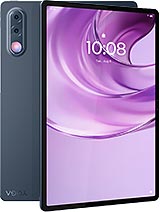
Yoga Tab Plus Gen 2
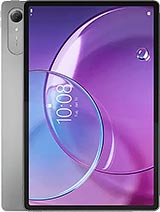
Idea Tab Pro Gen 2
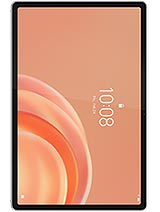
Tab Plus Gen 2
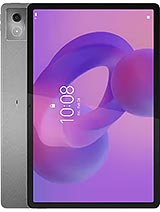
Idea Tab Pro
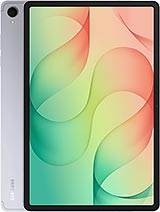
Galaxy Tab S12+