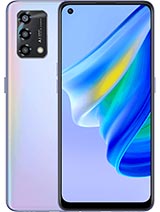
Motorola Moto G Stylus review
This phone is for anyone who takes notes or sketches on their phone regularly and values a big screen over raw speed. If you're after a stylus, the Moto G Stylus delivers without the premium tag. Everyone else should look elsewhere: the slow charging and aging processor drain the appeal, and by 2021 rivals offered more at the same price.
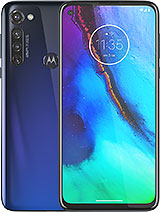
This review is written with AI assistance from Motorola’s published specifications and public benchmark data for the Motorola Moto G Stylus, and the rating is spec-based. GoSolo does not physically test devices; where we estimate real-world behaviour such as battery life or charge time, we say so. How we rate phones.
Overview
The Moto G Stylus is a 2020 midrange phone that leans hard into its stylus and spacious 6.4-inch screen for note-taking and writing, making it a practical choice for sketching on a budget. But the Snapdragon 665 processor, 4GB RAM, and especially the glacial 10W charging drag the whole experience down, and at nearly €70 it's fighting against rivals that offer more for the same coin.
Design & build
The Moto G Stylus is straightforward and practical rather than striking. Glass front, aluminum 6000-series frame, and plastic back weigh in at 192 grams and 9.2 millimeters thick—solid and unremarkable. The water-repellent coating is a sideshow; it'll shrug off light splashes but won't survive rain or submersion, so don't expect real durability. The stylus is the real draw here: it nests in the bottom edge and feels intuitive to pull out, a proper writing tool rather than a gimmick. At €70, the build quality feels appropriate—nothing creaks, but nothing feels particularly refined either.
Display
The 6.4-inch 1080×2300 IPS LCD is exactly what you'd expect for a 2020 budget phone: sharp enough at 399 ppi for reading and writing, with an 83.7% screen-to-body ratio that gives you more screen than older phones. But there's no high refresh rate, no aggressive brightness tuning for sunlight, and the blacks on an IPS panel won't match an OLED. For stylus work—sketching notes, signing documents—the size and clarity do the job. Compared to flagships or even midrange rivals released a year later, this is adequate and nothing more.
Performance
The Snapdragon 665 is a mainstream chip for 2020, and it shows its age by 2024 standards. Paired with 4GB RAM, it handles light browsing, email, and social media without complaint. Heavy games at high settings will drop frames; loading times in demanding apps stretch longer than you'd like. Multitasking stutters if you're jumping between many apps. This isn't a phone for mobile gaming or video editing. It's competent for everyday tasks, but it will feel sluggish if you're coming from anything faster, and rivals at the same price have moved on to snappier chips.
Software
It ships on Android 10 with an update path to Android 11. For 2020, that's current; by today, security updates are the main question. Motorola's near-stock Android approach means no bloatware, just the OS and Google's apps. Expect usable software, not particularly fast but not bogged down by Motorola's own cruft. The stylus software is basic—Moto Notes does pen input, and gestures are supported, but this isn't a Samsung Notes competitor.
Camera
The main camera is the highlight of the spec sheet: 48MP with f/1.7, laser autofocus, and PDAF. In daylight, it captures detail and handles focus locks quickly. The 16MP ultrawide at 117 degrees fits more landscape into the frame, and it's genuinely useful rather than a token addition. The 2MP macro is a spec-sheet filler—skip it in practice. Video maxes out at 4K 30fps, not exceptional but workable. The selfie is a straightforward 16MP f/2.0 camera that does generic self-portraits. Night mode is absent, which stings for a phone in 2020, so low-light shots lean toward noisy. Overall, the camera punches a little above its weight for the price, but it's not a reason to choose this phone alone.
Battery & charging
The 4000mAh battery runs for roughly a day on moderate use, which is fine. The charging speed, however, is the phone's biggest weakness: 10W is ancient by 2020 standards, let alone today. You're looking at 2 to 3 hours to reach 100%, forcing a nightly ritual even if you use it lightly. Rivals by 2021 were shipping 30W, 50W, or faster, making this feel neglected. For a phone at €70, the slow charge speed is frustrating but perhaps expected; just know you'll spend far more time tethered to the charger than you should.
Value & verdict
At €70, the Moto G Stylus targets buyers who specifically want a stylus and a big screen for note-taking without spending flagship money. That niche is real and the phone serves it competently. But by 2021 onward, rival budget phones offer faster charging, snappier processors, and sometimes 5G for the same outlay. The stylus is its strongest differentiator; if you don't need it, a cheaper non-stylus midrange phone will serve you better. This is a device for a specific buyer—someone who jots notes regularly and isn't chasing raw performance—not a general bargain.
Verdict
This phone is for anyone who takes notes or sketches on their phone regularly and values a big screen over raw speed. If you're after a stylus, the Moto G Stylus delivers without the premium tag. Everyone else should look elsewhere: the slow charging and aging processor drain the appeal, and by 2021 rivals offered more at the same price.
- Bundled stylus and large 6.4-inch display make note-taking and handwriting natural without needing to buy a pen separately
- Dedicated microSD card slot lets you expand storage without sacrificing SIM flexibility
- Laser autofocus and PDAF on the main camera deliver sharper focus than many midrange phones, and 4K video recording is available
- 3.5mm headphone jack and FM radio cater to users who still rely on wired audio and traditional radio
- 10W charging is painfully slow; expect 2 to 3 hours to full charge, forcing daily charging even with light use
- Snapdragon 665 and 4GB RAM stumble with heavy apps and multitasking; older games run, but demanding titles stutter
- No 5G, no high refresh rate display, and no waterproofing—all standard on rivals at this price by 2021
Motorola Moto G Stylus Key Specifications
The essentials at a glance. See the full spec sheet.
| Released | 2020, February 07. Released 2020, April 16 |
|---|---|
| Display | 6.4 inches, 100.7 cm2 (~83.7% screen-to-body ratio), IPS LCD |
| Resolution | 1080 x 2300 pixels (~399 ppi density) |
| Chipset | Qualcomm SDM665 Snapdragon 665 (11 nm) |
| RAM & storage | 128GB 4GB RAM |
| Main camera | 48 MP, f/1.7, 26mm (wide), 1/2.0", 0.8µm, PDAF 16 MP, f/2.2, 117˚ (ultrawide), dedicated video camera (1080p) 2 MP (macro) |
| Selfie camera | 16 MP, f/2.0, (wide), 1/3.06", 1.0µm |
| Battery | 4000 mAh |
| Charging | 10W wired |
| Software | Android 10, upgradable to Android 11 |
| Dimensions | 158.6 x 75.8 x 9.2 mm (6.24 x 2.98 x 0.36 in) |
| Weight | 192 g (6.77 oz) |
| Build | Glass front, plastic back, aluminum frame (6000 series) |
| Durability | Stylus Water-repellent coating |
| Network | GSM / CDMA / HSPA / EVDO / LTE |
| NFC | No |
| USB | USB Type-C 2.0 |
Motorola Moto G Stylus FAQ
Common questions, answered from the spec sheet.
Does the Moto G Stylus support 5G?
No. The Moto G Stylus tops out at GSM / CDMA / HSPA / EVDO / LTE, without 5G.
What chipset does the Moto G Stylus use?
The Moto G Stylus runs on the Qualcomm SDM665 Snapdragon 665 (11 nm).
What display does the Moto G Stylus have?
A 6.4 inches, 100.7 cm2 (~83.7% screen-to-body ratio) IPS LCD, 1080 x 2300 pixels (~399 ppi density).
How big is the Moto G Stylus battery?
The Moto G Stylus has a 4000 mAh battery. Charging is rated at 10W wired.
Does the Moto G Stylus have NFC?
No, the Moto G Stylus does not list NFC support.
Is the Moto G Stylus water resistant?
The Moto G Stylus carries a Stylus Water-repellent coating rating.
Does the Moto G Stylus support a microSD card?
Yes, the Moto G Stylus supports expandable storage (microSDXC (dedicated slot)).
Does the Moto G Stylus have a headphone jack?
Yes, the Moto G Stylus has a 3.5mm headphone jack.
Alternatives to consider
If the Moto G Stylus isn’t quite right, these are the closest calls.
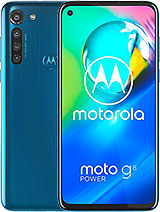
Moto G8 Power
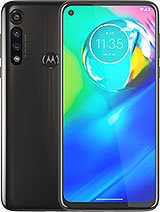
Moto G Power

Moto G8 Power Dual SIM
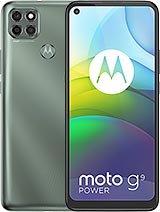
Moto G9 Power
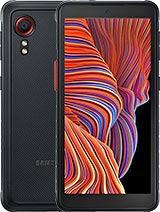
Galaxy XCover 5