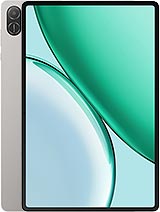
Motorola Moto Pad 60 Lite review
This tablet suits users who prioritize being able to actually carry and hold a 10-inch screen over chasing performance specs, and who are comfortable with light-use scenarios. Anyone expecting gaming, media editing, or outdoor brightness should look at more capable—and heavier—alternatives.
This review is written with AI assistance from Motorola’s published specifications and public benchmark data for the Motorola Moto Pad 60 Lite, and the rating is spec-based. GoSolo does not physically test devices; where we estimate real-world behaviour such as battery life or charge time, we say so. How we rate phones.
Overview
The Moto Pad 60 Lite is a lightweight, affordable tablet that does everyday tasks without drama—email, streaming, light browsing—and its thin build and modest price make it easy to recommend for users who just need something portable and not demanding. The Helio G85 and 4GB RAM won't impress gamers or multitaskers, and the cameras and battery are purely functional, but for €150 this is honest value if you know what you're getting into.
Design & Build
At 7.5mm thick and 425 grams, the Moto Pad 60 Lite is one of the lightest 10-inch tablets available, and that matters more than reviewers usually admit. A tablet you can actually hold for two hours without fatigue is a tablet people will use. The glass front and aluminum frame feel solid enough for the price, though this isn't a rugged device—the splash resistance is a minor comfort, not waterproof durability. For a €150 tablet, the industrial design is straightforward and unapologetic; it doesn't pretend to be something it isn't.
Display
The 10.1-inch IPS LCD is a no-frills proposition: 1200x1920 pixels, 224 ppi, 400 nits. That pixel density is adequate for text and streaming at this screen size—you won't notice pixelation unless you're examining it from arm's length. The 400-nit brightness, though, is where budget starts to show. Rivals in this price range increasingly offer AMOLED screens or 500+ nit LCDs that handle direct sunlight without washing out. Indoors, it's perfectly serviceable; outside, you'll struggle. The 16:10 aspect ratio and 81% screen-to-body ratio are sensible for a content device without wild bezels.
Performance
The Helio G85 is where ambitions and budget meet their honest line. This chipset is mainstream midrange—four years old now and designed for devices that prioritize cost over speed. Everyday tasks like email, web browsing, document editing, and streaming video work without complaint. The moment you layer in gaming, heavy app-switching, or media editing, you'll notice hesitation. Paired with only 4GB RAM, this tablet handles one thing at a time comfortably; push it and you're waiting. For light work and consumption, it's fine. For anything demanding, you're asking the wrong device.
Software
Android 15 out of the box with a guaranteed path to Android 16 is the bright spot in a budget package. Motorola's near-stock Android means no bloat and no wait for updates, which is more than you get on many cheaper alternatives. Security patches and feature updates should flow without unusual delay, at least for the next year or two. It's a solid software foundation—nothing special, but nothing broken either.
Camera
The 8MP rear camera with autofocus and 5MP front camera are there to take photos and video calls, which they do without any flair. Do not expect low-light performance, detail, or any reason to use this tablet for photography when a phone is around. Video recording is functional. If you need to scan documents or occasionally photograph something, these cameras work. If you care about image quality, look elsewhere.
Battery & Charging
The 5100 mAh battery is adequate for a light-use day, though real-world longevity depends heavily on what you do. Netflix and email will stretch it to evening; gaming and streaming video drain it faster. The 15W charging is slow by today's standards—even budget phones are hitting 30-50W now—so you won't top it up quickly. For a device meant to sit on a desk or bag most of the time, the battery isn't a dealbreaker, but don't expect all-day power through heavy use.
Value & Verdict
At €150, the Moto Pad 60 Lite is a no-nonsense tablet for people who genuinely just want a larger screen for reading, light browsing, and streaming without paying flagship money. It's not trying to be a laptop or a gaming machine; it knows its lane. The thin, light build is a real advantage over chunkier budget alternatives. The trade-off is that you get entry-level performance, modest cameras, and a screen that won't wow you outdoors. For students, travelers, or anyone who values portability over raw power, it's a sensible pick. If you're expecting gaming, heavy work, or premium display quality, save more or look at last year's flagship tablets at sale prices.
Verdict
This tablet suits users who prioritize being able to actually carry and hold a 10-inch screen over chasing performance specs, and who are comfortable with light-use scenarios. Anyone expecting gaming, media editing, or outdoor brightness should look at more capable—and heavier—alternatives.
- Genuinely thin and light at 7.5mm and 425g—easier to hold for long reading or streaming sessions than heavier competitors
- 10.1-inch screen at 224 ppi is large enough for content without the bulk or cost of a true flagship tablet
- Android 15 with upgrade path to Android 16 gives a reasonably current software foundation for a budget device
- Price point around €150 undercuts most brand-name alternatives at this size and performance level
- Helio G85 is entry-level even for midrange tablets—handles basic apps but stutters under load, no room for gaming or heavy multitasking
- Only 4GB RAM and 128GB storage with no microSD expansion means you'll feel the limits quickly if you store media or apps beyond essentials
- 400 nits brightness and IPS panel are adequate for indoors but underwhelming in sunlight; rivals offer AMOLED or brighter LCDs at similar prices
Motorola Moto Pad 60 Lite Key Specifications
The essentials at a glance. See the full spec sheet.
| Released | 2025, September 30 |
|---|---|
| Display | 10.1 inches, 295.8 cm2 (~81.2% screen-to-body ratio), IPS LCD, 400 nits |
| Resolution | 1200 x 1920 pixels, 16:10 ratio (~224 ppi density) |
| Chipset | Mediatek Helio G85 (12 nm) |
| RAM & storage | 128GB 4GB RAM |
| Main camera | 8 MP, AF |
| Selfie camera | 5 MP |
| Battery | 5100 mAh |
| Software | Android 15, upgradable to Android 16 |
| Dimensions | 235.7 x 154.5 x 7.5 mm (9.28 x 6.08 x 0.30 in) |
| Weight | 425 g (14.99 oz) |
| Build | Glass front, aluminum frame, aluminum back |
| Durability | Splash resistant |
| Network | GSM / HSPA / LTE |
| NFC | No |
| USB | USB Type-C 2.0 |
Motorola Moto Pad 60 Lite FAQ
Common questions, answered from the spec sheet.
Does the Moto Pad 60 Lite support 5G?
No. The Moto Pad 60 Lite tops out at GSM / HSPA / LTE, without 5G.
What chipset does the Moto Pad 60 Lite use?
The Moto Pad 60 Lite runs on the Mediatek Helio G85 (12 nm).
What display does the Moto Pad 60 Lite have?
A 10.1 inches, 295.8 cm2 (~81.2% screen-to-body ratio) IPS LCD, 400 nits, 1200 x 1920 pixels, 16:10 ratio (~224 ppi density).
How big is the Moto Pad 60 Lite battery?
The Moto Pad 60 Lite has a 5100 mAh battery.
Does the Moto Pad 60 Lite have NFC?
No, the Moto Pad 60 Lite does not list NFC support.
Is the Moto Pad 60 Lite water resistant?
The Moto Pad 60 Lite carries a Splash resistant rating.
Does the Moto Pad 60 Lite support a microSD card?
No, the Moto Pad 60 Lite does not support expandable storage.
Alternatives to consider
If the Moto Pad 60 Lite isn’t quite right, these are the closest calls.
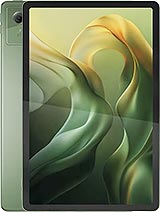
Moto Pad 60 Neo
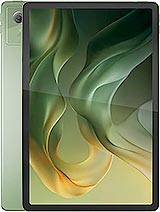
Moto Pad (2026)
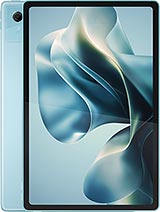
Moto Pad 70
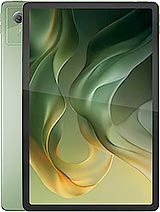
Pad 5

Black Shark Pad SE