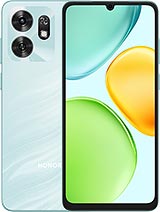
Nokia 230 2024 review
Buy this only if you need a backup phone for emergencies, a device for a kid with no internet access, or a second line in a country with strong 2G coverage. Anyone else should spend €100–150 on a used 4G Android phone with a bigger screen and more battery life. This phone's strength is not competing on features; it is surviving on network access others have abandoned.
This review is based on Nokia’s published specifications and public benchmark data for the Nokia 230 2024, and the rating is spec-based. GoSolo does not physically test devices; where we estimate real-world behaviour such as battery life or charge time, we say so. How we rate phones.
Overview
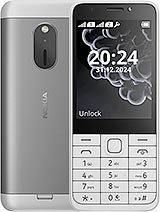
The Nokia 230 2024 is a basic feature phone for calls, texts, and FM radio—not a smartphone. At €70, it makes sense as a backup device or a second line in countries with weak mobile infrastructure, but do not expect anything beyond voice and messaging.
Design & Build
This is pocket-friendly: 124.6 x 53.4 x 10.9 mm, small enough to disappear into a shirt pocket. The aluminum back cover feels sturdy enough for a phone at this price, and the dual nano-SIM setup is useful for anyone running two lines. The build is honest—it does not pretend to be more than it is. A flashlight is built in, which is practical for a phone aimed at users in areas where reliable electricity or smartphone options may not be a given.
Display
A 2.8-inch TFT LCD with 240 x 320 pixels and 143 ppi density. That is sharp enough for reading numbers in a phone book or text messages, but the small screen and low brightness mean direct sunlight will wash it out. Do not expect to do anything beyond basic menu navigation or reading SMS. The 4:3 aspect ratio is dated by modern standards, but it suits the phone's purpose.
Performance
The Unisoc 6531F is a single-core chip designed purely for voice and SMS. Do not try to browse the web, run apps, or expect anything beyond basic call and text functionality. This is intentional: the chip is built to last days on a small battery. If you need a smartphone, this is not it. If you need something that handles calls reliably for a week without touching a charger, it might work.
Storage & Software
16 MB built-in storage is essentially empty—there is no room for apps or much else. The microSDHC slot supports cards up to 32 GB, which is useful if you want to store MP3 files or photos. The phone runs on a proprietary feature-phone OS, not Android or iOS. It has an MP3 player and FM radio, which give it some utility beyond pure calling. Dual SIM support means you can switch between two networks without swapping cards.
Camera
Both the rear and front cameras are 2 MP with LED flash and video recording. This is a far cry from modern smartphones, but for a €70 feature phone, it is present and functional. Do not expect detail, quality, or speed. Take photos if you need to, but do not expect anything worth printing or sharing.
Battery & Charging
The 1450 mAh battery is removable, which is rare and practical. On light use—mostly calls and texts—it should last two to three days, possibly longer. The small, low-power screen and processor make this possible. There is no fast charging listed, so expect a slow trickle via USB Type-C. For someone who leaves their phone off most of the day or uses it only for emergencies, this is genuinely useful. For anyone else, the short runtime is a limitation.
Connectivity & Value
GSM 2G only on 900 / 1800 MHz bands. No 3G, 4G, or 5G. No Wi-Fi, GPS, or NFC. Bluetooth 5.0 is onboard, which is overkill for this device but does not hurt. The FM radio and MP3 player justify it as more than a phone in markets where other entertainment options are limited. At €70, this is cheap, but it is also a phone with no competitive advantages over a used Android phone from five years ago. The real question is whether you need a device that lasts three days on a charge and works everywhere a 2G signal reaches. If yes, this is a sensible buy. If not, save a little more and get something with 4G and a bigger screen.
Verdict
Buy this only if you need a backup phone for emergencies, a device for a kid with no internet access, or a second line in a country with strong 2G coverage. Anyone else should spend €100–150 on a used 4G Android phone with a bigger screen and more battery life. This phone's strength is not competing on features; it is surviving on network access others have abandoned.
- Removable battery in 2024—hard to find elsewhere, and it extends long-term usability
- Dual nano-SIM support for running two lines without a second phone
- Three-day battery life on light use, with a chipset designed to stretch a small battery far
- FM radio and MP3 player add utility beyond pure calling in areas with limited internet
- GSM 2G only; no 3G or 4G means unusable on networks that have shut down legacy bands
- Screen dims badly in sunlight and is too small for any task beyond SMS
- 1450 mAh battery still requires daily charging on moderate use
Nokia 230 2024 Key Specifications
The essentials at a glance. See the full spec sheet.
| Released | 2024, April 11 |
|---|---|
| Display | 2.8 inches, 24.3 cm2 (~36.5% screen-to-body ratio), TFT LCD |
| Resolution | 240 x 320 pixels, 4:3 ratio (~143 ppi density) |
| Chipset | Unisoc 6531F |
| RAM & storage | 16MB 8MB RAM |
| Main camera | 2 MP |
| Selfie camera | 2 MP |
| Battery | 1450 mAh |
| Software | Android |
| Dimensions | 124.6 x 53.4 x 10.9 mm (4.91 x 2.10 x 0.43 in) |
| Build | Aluminum back cover |
| Durability | Flashlight |
| Network | GSM |
| NFC | No |
| USB | USB Type-C |
Nokia 230 2024 FAQ
Common questions, answered from the spec sheet.
Does the 230 2024 support 5G?
No. The 230 2024 tops out at GSM, without 5G.
What chipset does the 230 2024 use?
The 230 2024 runs on the Unisoc 6531F.
What display does the 230 2024 have?
A 2.8 inches, 24.3 cm2 (~36.5% screen-to-body ratio) TFT LCD, 240 x 320 pixels, 4:3 ratio (~143 ppi density).
How big is the 230 2024 battery?
The 230 2024 has a 1450 mAh battery.
Does the 230 2024 have NFC?
No, the 230 2024 does not list NFC support.
Is the 230 2024 water resistant?
The 230 2024 carries a Flashlight rating.
Does the 230 2024 support a microSD card?
Yes, the 230 2024 supports expandable storage (microSDHC).
Alternatives to consider
If the 230 2024 isn’t quite right, these are the closest calls.
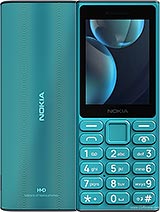
108 4G
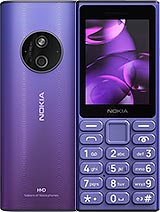
110 4G 2024
5310 2024
6310 2024
Y50 5G