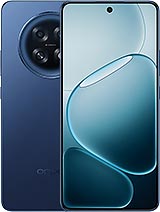
Nothing Phone (3a) review
This phone makes sense for everyday users who want a big, responsive screen and all-day battery without paying for flagship performance. Anyone shopping for gaming prowess, best-in-class zoom, or submersible durability should look at rivals with higher specs or a steeper price.
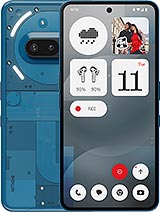
This review is based on Nothing’s published specifications and public benchmark data for the Nothing Phone (3a), and the rating is spec-based. GoSolo does not physically test devices; where we estimate real-world behaviour such as battery life or charge time, we say so. How we rate phones.
Overview
The Nothing Phone 3a pairs a large, bright AMOLED screen and day-long battery at €300 with a capable mid-range chip that handles everyday use without strain. It is honest value for a user who prioritizes screen real estate and charging speed over raw performance, though the 1080p resolution and plastic frame hint at the corners cut to hit the price.
Design and Build
The Nothing 3a is a straightforward slab: 201 grams, 8.4mm thick, and easy to hold with one hand despite the 6.77-inch footprint. The Panda Glass front (Mohs 5) and glass back sandwich a plastic frame, which keeps weight down but telegraphs the budget. IP64 rating protects against dust and splashes, but stops short of full submersion—fine for everyday life, a downgrade if you wade in. The LED strips on the back are a Nothing signature: three configurable zones that pulse during calls or notifications. They do not save lives, but they add a quirky touch that differentiates it from a sea of glass bricks.
Display
A 6.77-inch AMOLED screen commands the front. Brightness is its trump card: 1300 nits in HDR and peak spikes to 3000, making it readable in direct sun without cranking gamma. Refresh maxes at 120Hz with PWM dimming at 2160Hz, so scrolling feels smooth and flicker is imperceptible. The catch is resolution: 1080x2392 yields only 387 ppi, which is soft for body text, emails, or fine graphics at close distances. Rivals at this price now push 1440p or higher, and the difference shows side by side. HDR10+ and Ultra HDR support mean streaming content and photos render with punchy color and depth. For a large screen at a low price, it is a solid compromise; it is just not a resolution leader anymore.
Performance
The Snapdragon 7s Gen 3 sits in the capable upper-midrange: fast enough for daily work, gaming on medium settings, and video editing without lag, but not a match for flagships when you ask for raw power. AnTuTu scores around 828,000, which tells you it runs WhatsApp, Gmail, TikTok, and Spotify without hesitation. Multitasking is fluid. The Adreno 810 GPU handles Call of Duty Mobile on medium settings or Genshin Impact on low-to-medium, but demanding 3D titles will drop frames if you max everything out. Nothing OS 4.0, based on Android 15, is relatively clean and promises three major upgrades. For a user who plays light games, streams, and browses—the actual mass market—this chip is fitting. Expecting it to rival a Snapdragon 8 Gen 3 would be unfair; expecting it to stutter on mainstream apps would be wrong.
Camera
The 50MP main sensor with f/1.9 aperture and dual-pixel autofocus is the workhorse. It captures detail in daylight and holds its own in low light thanks to the wide aperture and OIS. A 50MP telephoto at 2x optical zoom lets you frame distant subjects without the blur that crops introduce. The 8MP ultrawide with a 120-degree field of view fits group shots and landscapes. The trio covers 90 percent of what casual shooters do. Where it falters: the ultrawide is dim (f/2.2) and the 8MP resolution means it lacks detail compared to brighter, higher-megapixel ultrawide modules on rivals. Video tops out at 4K 30fps; there is no 60fps 4K option, which stings for action or content creation. The 32MP selfie camera handles portraits and video calls adequately, though nothing distinctive.
Battery and Charging
The 5000 mAh cell typically lasts a full day on moderate to heavy use: video streaming, social apps, messaging, and browsing drain it from full to near-empty by evening. Intensive gaming or prolonged GPS use will warrant a midday top-up. The 50W wired charger is where Nothing cuts time: 50 percent in 19 minutes, 100 percent in 56 minutes. That speed is standard-issue at this price point now—not exceptional, but expected. No wireless charging, which is a missed opportunity for a €300 phone in 2025, even if adoption remains patchy in many markets.
Software and Features
Nothing OS 4.0 is a thin layer atop Android 15. It promises three major OS upgrades, which means Android 16, 17, and 18 over the phone's lifetime—respectable support for a mid-range device. The software is largely stock Android with Nothing's own widgets and the ever-present glyph interface controlled by the back LEDs. Circle to Search, Google's visual search tool, is built in. Updates have been timely in Nothing's short history, though no phone in this space ships exempt from bloat or heavy-handed notifications.
Value and Context
At €300, the Nothing 3a lands in a crowded tier where Motorola, Samsung, and regional players all compete. It does not outgun rivals in any single metric—the display is dim and low-res, the chip is mid-range, the ultrawide is weak—but the total package is coherent. You get a large, bright, smooth screen, day-long battery, quick charging, and a triple camera that covers most scenarios. It is not the cheapest at this price, nor the most feature-packed, but it is honest: no false claims, no unnecessary upgrades, and a design language that stands out in a lineup of anonymous rectangles. It suits someone who values screen size and simplicity over peak performance or cutting-edge specs. If you demand 1440p sharpness, 65W charging, or a titanium frame, you will have to spend more or accept compromise elsewhere.
Verdict
This phone makes sense for everyday users who want a big, responsive screen and all-day battery without paying for flagship performance. Anyone shopping for gaming prowess, best-in-class zoom, or submersible durability should look at rivals with higher specs or a steeper price.
- 6.77-inch AMOLED screen with 1300 nits peak brightness and 120Hz refresh, sharp enough at arm's length and genuinely readable in sunlight
- 5000 mAh battery lasts a full day on moderate to heavy use; 50W charging hits half in 19 minutes, full in under an hour
- 50MP main camera with f/1.9 aperture and 2x optical zoom covers most daylight and low-light shots without fumbling between lenses
- Snapdragon 7s Gen 3 chip handles social media, streaming, and light gaming smoothly; everyday Android apps do not stutter
- 1080p resolution on a 6.77-inch screen (387 ppi) softens small text compared to rivals at this price that offer 1440p
- Plastic frame and IP64 rating (splashes only, not submersion) feel cost-conscious next to phones that add aluminum and full water resistance at similar prices
- 4K video only at 30fps; no 60fps option limits usability for action or run-and-gun content
Nothing Phone (3a) Key Specifications
The essentials at a glance. See the full spec sheet.
| Released | 2025, March 04 |
|---|---|
| Display | 6.77 inches, 111.5 cm2 (~88.0% screen-to-body ratio), AMOLED, 1B colors, 120Hz, 2160Hz PWM, HDR10+, 800 nits (typ), 1300 nits (HBM), 3000 nits (peak) |
| Resolution | 1080 x 2392 pixels (~387 ppi density) |
| Chipset | Qualcomm SM7635 Snapdragon 7s Gen 3 (4 nm) |
| RAM & storage | 128GB 8GB RAM, 256GB 8GB RAM, 256GB 12GB RAM |
| Main camera | 50 MP, f/1.9, 24mm (wide), 1/1.57", 1.0µm, dual pixel PDAF, OIS 50 MP, f/2.0, 50mm (telephoto), 1/2.74", 0.64µm, PDAF (25cm - ∞), 2x optical zoom 8 MP, f/2.2, 15mm, 120˚ (ultrawide), 1/4.0", 1.12µm |
| Selfie camera | 32 MP, f/2.2, 22mm (wide), 1/3.44" |
| Battery | 5000 mAh |
| Charging | 50W wired, 50% in 19 min, 100% in 56 min |
| Software | Android 15, upgradable to Android 16, Nothing OS 4.0, up to 3 major Android upgrades |
| Dimensions | 163.5 x 77.5 x 8.4 mm (6.44 x 3.05 x 0.33 in) |
| Weight | 201 g (7.09 oz) |
| Build | Glass front (Panda Glass), plastic frame, glass back |
| Durability | IP64 dust tight and water resistant (water splashes) 3 LED light strips on the back (notifications, camera fill light, 26 addressable zones) |
| Network | GSM / HSPA / LTE / 5G |
| NFC | Yes |
| USB | USB Type-C 2.0, OTG |
Nothing Phone (3a) FAQ
Common questions, answered from the spec sheet.
Does the Phone (3a) support 5G?
Yes. The Phone (3a) supports 5G networks.
What chipset does the Phone (3a) use?
The Phone (3a) runs on the Qualcomm SM7635 Snapdragon 7s Gen 3 (4 nm).
What display does the Phone (3a) have?
A 6.77 inches, 111.5 cm2 (~88.0% screen-to-body ratio) AMOLED, 1B colors, 120Hz, 2160Hz PWM, HDR10+, 800 nits (typ), 1300 nits (HBM), 3000 nits (peak), 1080 x 2392 pixels (~387 ppi density).
How big is the Phone (3a) battery?
The Phone (3a) has a 5000 mAh battery. Charging is rated at 50W wired, 50% in 19 min, 100% in 56 min.
Does the Phone (3a) have NFC?
Yes, the Phone (3a) has NFC.
Is the Phone (3a) water resistant?
The Phone (3a) carries a IP64 dust tight and water resistant (water splashes) 3 LED light strips on the back (notifications, camera fill light, 26 addressable zones) rating.
Does the Phone (3a) support a microSD card?
No, the Phone (3a) does not support expandable storage.
Does the Phone (3a) have a headphone jack?
No, the Phone (3a) does not have a 3.5mm headphone jack.
Alternatives to consider
If the Phone (3a) isn’t quite right, these are the closest calls.
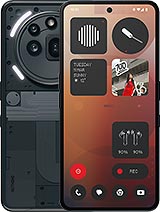
Phone (3a) Pro
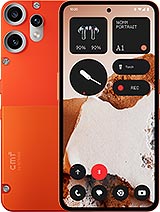
CMF Phone 2 Pro
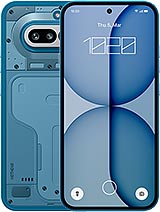
Phone (4a)
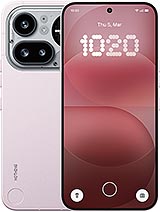
Phone (4a) Pro
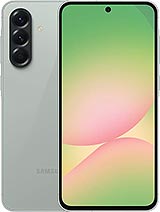
Galaxy A56