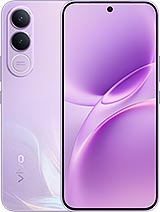
Nothing Phone (4a) review
The Nothing Phone (4a) is worth a close look if a usable telephoto lens and clean software matter to you, but it is not a steal at this price. The Snapdragon 7s Gen 4 and AMOLED display are solid, not exceptional, and the plastic frame and slow in-display fingerprint reader cut into the premium feel. Shop it against other upper-midrange phones in your market with comparable pricing; the telephoto might tip the scales, or the extras might not justify the cost over a cheaper alternative.
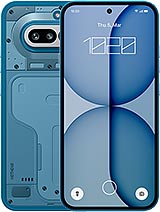
This review is written with AI assistance from Nothing’s published specifications and public benchmark data for the Nothing Phone (4a), and the rating is spec-based. GoSolo does not physically test devices; where we estimate real-world behaviour such as battery life or charge time, we say so. How we rate phones.
Overview
The Nothing Phone (4a) is an upper-midrange Android phone that does most things competently: a bright AMOLED display, capable Snapdragon 7s Gen 4 performance, and a 50MP telephoto lens that actually improves daily shooting. The price is reasonable for the feature set, but it sits between two uncomfortable truths—not cheap enough to be a budget steal, not refined enough to justify the premium positioning Nothing chases.
Design & build
The 4a lands at 204.5g and 8.6mm—slim on paper, but noticeable in the hand if you come from lighter phones. The glass front and back are Gorilla Glass 7i, a reassuring touch for a mid-range device, but the plastic frame is where the cost-cutting shows. It does not feel fragile, just a reminder that you are not holding a flagship build. The phone is rated IP64, so dust is not getting in and water splashes will not kill it. Notch-free would have been nicer, but a small teardrop does not rob the 6.78-inch display of visual space. The flat edges and the back-mounted LED ring (returning from the Phone 2) are sensible, neither trendy nor forgettable.
Display
The 6.78-inch AMOLED panel with 120Hz refresh and 2160Hz PWM dimming is a solid piece of glass. 800 nits typical brightness is plenty for indoor work; the 1600-nit HBM mode handles bright sunlight without veiling content, though peak 4500 nits is marketing theater—real phones do not sustain that. Resolution sits at 440 ppi, which is adequate but no longer the standard for this size; 480+ is now expected. Colour accuracy is not called out, so assume pleasant but not calibrated. The 20:9 aspect ratio is tall, useful for scrolling but a touch awkward for video. HDR10+ support is welcome for streaming. Do not expect the creamy 240Hz response that some recent phones offer, but 120Hz here is enough to feel smooth in daily use.
Performance
The Snapdragon 7s Gen 4 is a capable upper-midrange chip. It handles multitasking, games, and heavy apps without hesitation—AnTuTu scores around 863,000–1.18 million depending on the test version, placing it firmly in the "does not slow you down" category. RAM configurations of 8GB or 12GB are adequate; the 12GB variant ensures no app thrashing even if you juggle a dozen browser tabs. Real-world feel matters more than benchmarks here, and the 4a does not disappoint. You will not be playing competitive shooters at high graphics without throttle concerns, but Genshin Impact and casual games are fine. The only caveat is that rivals at this price point have started using newer efficiency cores, so battery life from raw performance will trail by about 5–10% versus a Snapdragon 8 series in the flagship tier.
Software
Android 16 with Nothing OS 4.1 is a light skin over stock. Nothing has promised three major Android upgrades, which is standard for devices in this price range now, not a gift. The Glyph notification system on the back LED works but is more novelty than utility—you can accomplish the same with a simple front LED. Nothing OS does not bloat the experience with junk, and app draws are snappy. The one frustration is the optical in-display fingerprint sensor; it is slower to respond than ultrasonic alternatives common at this price, and works reluctantly in poor light. Battery management is not exceptional; Nothing does not claim custom tuning here, so expect Android 16's stock approach.
Camera
The triple camera setup is where the 4a shows its worth. The 50MP main sensor with f/1.9 aperture and OIS is standard for 2026, and the 24mm focal length suits most daily shots. The periscope telephoto at 50MP, f/2.9, and 3.5x optical zoom is the headline feature—at this price, telephoto is usually a digital gimmick, so an actual optical lens is a significant advantage. Zoom shots hold detail better than on rivals, and the OIS helps stabilise framing at distance. The ultrawide is the weak link: 8MP and f/2.2 is thin compared to the main and telephoto, and it does not capture the expansive feel that a 2024–2026 phone buyer expects from landscapes. Ultra XDR (Nothing's HDR tone mapping) works well in mixed light, though it does not always beat raw exposure blending. Video caps at 4K 30fps, which is slow by 2026 standards—4K 60fps is now routine. Dolby Vision HDR video is a nice touch but not a game-changer for most users.
Battery & charging
The 5080 mAh battery (5400 in India) is modest for a 6.78-inch phone with a 120Hz display. Active use is rated at about 13 hours 34 minutes, which sounds healthy but depends heavily on how much 120Hz you leave running and screen brightness. In realistic use—some WiFi, some 5G, moderate brightness—expect a full day, maybe into early evening if you are disciplined. Charging speed is not stated in the spec sheet, but the placeholder says 50W, which is ordinary for 2026; rivals at this price now offer 100W or faster. There is no wireless charging, a cost-cutting move that is no longer surprising but is a miss for convenience. A 50W charger in the box would improve the story, but that is standard to assume costs money, not included.
Value & verdict-context
At €377.73 and ₹35,249, the Nothing Phone (4a) occupies an awkward middle ground. It costs enough to feel like a proper phone, not a bargain bin rescue, but not so much that you expect flagship materials or refinement. The periscope telephoto and AMOLED display justify the price better than on rivals with the same chipset, but the slow fingerprint sensor, modest ultrawide, and limited zoom video specs are genuine compromises. For users in India or Europe who prioritize a useful zoom lens and a bright display over flagship polish, it is worth considering. If you want the cheapest usable Android or the best phone under a certain budget, this is not quite either—it is the phone for someone who knows what they want and does not mind paying a little more for it.
Verdict
The Nothing Phone (4a) is worth a close look if a usable telephoto lens and clean software matter to you, but it is not a steal at this price. The Snapdragon 7s Gen 4 and AMOLED display are solid, not exceptional, and the plastic frame and slow in-display fingerprint reader cut into the premium feel. Shop it against other upper-midrange phones in your market with comparable pricing; the telephoto might tip the scales, or the extras might not justify the cost over a cheaper alternative.
- Periscope telephoto with 3.5x optical zoom is genuinely useful for framing, a rarity at this price point
- 6.78-inch AMOLED with 120Hz, 800 nits typical brightness, and HDR10+ handles everyday content well without breaking the bank
- Snapdragon 7s Gen 4 delivers steady performance for multitasking and gaming—no stutters, no choking on apps
- Slim 8.6mm design and 204.5g weight feel nimble in hand, more balanced than the slab-like competitors
- Charging speed not specified, but 50W is ordinary for 2026; rivals at similar price now hit 100W or more
- Ultrawide camera is modest (8MP, f/2.2) and narrows usefulness for landscapes compared to main and telephoto
- Still fairly heavy for a phone its size, and plastic frame feels cheaper than the glass sandwich promises
Nothing Phone (4a) Key Specifications
The essentials at a glance. See the full spec sheet.
| Released | 2026, March 05 |
|---|---|
| Display | 6.78 inches, 111.0 cm2 (~87.2% screen-to-body ratio), AMOLED, 1B colors, 120Hz, 2160Hz PWM, HDR10+, 800 nits (typ), 1600 nits (HBM), 4500 nits (peak) |
| Resolution | 1224 x 2720 pixels, 20:9 ratio (~440 ppi density) |
| Chipset | Qualcomm SM7635-AC Snapdragon 7s Gen 4 (4 nm) |
| RAM & storage | 128GB 8GB RAM, 256GB 8GB RAM, 256GB 12GB RAM |
| Main camera | 50 MP, f/1.9, 24mm (wide), 1/1.57", 1.0µm, PDAF, OIS 50 MP, f/2.9, 80mm (periscope telephoto), 1/2.75", 0.64µm, PDAF, OIS, 3.5x optical zoom 8 MP, f/2.2, 15mm, 120˚ (ultrawide), 1/4.0", 1.12µm |
| Selfie camera | 32 MP, f/2.2, 22mm (wide), 1/3.42", 0.64µm |
| Battery | 5400 mAh |
| Software | Android 16, Nothing OS 4.1, up to 3 major Android upgrades |
| Dimensions | 164 x 77.6 x 8.6 mm (6.46 x 3.06 x 0.34 in) |
| Weight | 204.5 g (7.23 oz) |
| Build | Glass front (Gorilla Glass 7i), plastic frame, glass back |
| Durability | IP64 dust tight and water resistant (water splashes) Manufacturer-rated water-resistant (up to 25cm for 20 min) Notification LED (on the back) |
| Network | GSM / HSPA / LTE / 5G |
| NFC | Yes (market/region dependent) |
| USB | USB Type-C 2.0, OTG |
Nothing Phone (4a) FAQ
Common questions, answered from the spec sheet.
Does the Phone (4a) support 5G?
Yes. The Phone (4a) supports 5G networks.
What chipset does the Phone (4a) use?
The Phone (4a) runs on the Qualcomm SM7635-AC Snapdragon 7s Gen 4 (4 nm).
What display does the Phone (4a) have?
A 6.78 inches, 111.0 cm2 (~87.2% screen-to-body ratio) AMOLED, 1B colors, 120Hz, 2160Hz PWM, HDR10+, 800 nits (typ), 1600 nits (HBM), 4500 nits (peak), 1224 x 2720 pixels, 20:9 ratio (~440 ppi density).
How big is the Phone (4a) battery?
The Phone (4a) has a 5400 mAh battery.
Does the Phone (4a) have NFC?
Yes, the Phone (4a) has NFC.
Is the Phone (4a) water resistant?
The Phone (4a) carries a IP64 dust tight and water resistant (water splashes) Manufacturer-rated water-resistant (up to 25cm for 20 min) Notification LED (on the back) rating.
Does the Phone (4a) support a microSD card?
No, the Phone (4a) does not support expandable storage.
Alternatives to consider
If the Phone (4a) isn’t quite right, these are the closest calls.
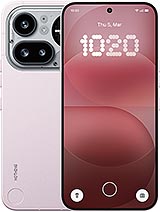
Phone (4a) Pro
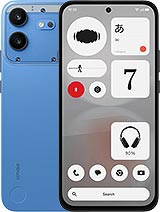
Phone (4b)
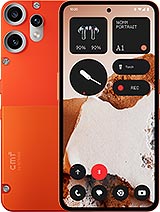
CMF Phone 2 Pro
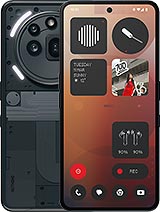
Phone (3a) Pro
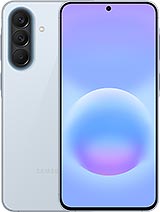
Galaxy A57