Oppo Find X10 Pro Max review
The Find X10 Pro Max suits photographers who value zoom and color science, and anyone working with outdoor screen brightness as a real need. Skip it if you prioritize slim feel, light weight, or expect sub-30-minute charging—this phone trades those comforts for camera and display depth instead.

This review is written with AI assistance from Oppo’s published specifications and public benchmark data for the Oppo Find X10 Pro Max, and the rating is spec-based. GoSolo does not physically test devices; where we estimate real-world behaviour such as battery life or charge time, we say so. How we rate phones.
Overview
The Oppo Find X10 Pro Max packs a 6.78-inch 144Hz AMOLED display, a Dimensity 9600 Pro chipset, and a triple 200MP camera setup with a 3x periscope zoom, all at a European price of around €890. It's a confident step up from the X8, with real improvements in display brightness and zoom capability, though the weight gain and modest battery increase mean this plays the premium-phone game rather than challenging the value tier.
Design and build
The Find X10 Pro Max is unapologetically heavy at 233g and thick at 8.4mm, which stands out even in the flagship crowd of 2026. Glass front and back with an aluminum frame follow the script, and the triple camera array is visibly ambitious. The IP68/IP69 rating matches what the best offer—immersion-ready durability is table stakes now. For a phone this size, the weight feels like a tradeoff for internal ambition rather than a design win; it sits firmly in the "premium flagship" camp rather than the slim, svelte end of the spectrum. The dimension itself—161.3 x 76.6mm—is large but manageable, and the 91% screen-to-body ratio confirms Oppo packed the display efficiently.
Display
The 6.78-inch LTPO AMOLED with 144Hz refresh, 1B colors, and adaptive 3840Hz PWM dimming is the first real standout. At 3600 nits peak brightness with 2000 nits in HDR modes, this is notably brighter than most rivals at this price—meaningful in sunlight and when HDR content demands it. The 450ppi density on a 19.5:9 aspect ratio keeps text and images sharp, and Dolby Vision, HDR10+, and HDR Vivid support cover the content bases. The PWM dimming rate addresses the low-frequency flicker that bothers sensitive eyes on cheaper flagships. This is not just a spec sheet win; it translates to a screen that works harder in real conditions than what you'd find at €800 and below.
Performance
The Dimensity 9600 Pro on 2nm is a tier-one flagship chipset and a genuine upgrade path from the Dimensity 9300 generation. It handles 8K video recording at 30fps without breaking a sweat, and the Mali-G2-Ultra-NX GPU is built for gaming at high frame rates on that 144Hz canvas. RAM maxes out at 16GB (with the 1TB model), and UFS 4.1 storage keeps file transfers snappy. In practice, this means the phone scales to any app or game you throw at it without compromise, and it will remain capable for at least three years. The performance gap to rivals is narrow—most flagships at this price hit the same ceiling—but Oppo's efficiency gains on 2nm mean it runs cooler and sips battery faster for the same work.
Camera
Three 200MP sensors across wide, ultrawide, and 70mm periscope telephoto is an unusual and ambitious setup. The wide-angle (24mm, f/1.5, 1/1.3 sensor) is genuinely fast and gathers light like a true flagship, while the periscope 3x zoom at f/2.1 avoids the ultratelephoto noise that plagues cheaper 100MP periscopes. The ultrawide at 13mm and f/2.2 is capable but not exceptional—120-degree ultra-wides are standard now, not a feature. Hasselblad Color Calibration and laser autofocus add character and reliability. Video goes to 8K at 30fps, 4K at up to 120fps, and 10-bit HDR with Dolby Vision and LOG give vlogging and filmmaking serious room. The 50MP selfie ultrawide is plenty for group shots and video calls. Real-world, the color science will stand out more than the megapixel count, and the zoom reach is noticeably better than rivals without a periscope.
Battery and charging
The 8000mAh battery (global) is a modest bump from the X8 generation, and at 233g the phone does not feel like a battery beast. The spec sheet lists charging as 80W/50W—unclear which is standard—but if 50W is the native rate, that is well behind the 100W+ that flagships routinely offer now. Even 80W is middle-of-the-pack for this price point. Given the weight and power demands of the Dimensity 9600 Pro and that bright 144Hz display, real-world battery life will probably push a full day under mixed use, but not by a comfortable margin. The lack of a larger cell despite the added weight suggests thermal constraints or a conservative approach to longevity over marketing numbers.
Software
Android 17 and ColorOS 17 are current for 2026. ColorOS has shed much of its bloat reputation in recent years and now sits closer to near-stock Android in philosophy. The interface is clean, dark mode support is native, and gesture navigation is responsive on the 144Hz display. One-handed use on a 6.78-inch phone with this thickness will challenge some users, but the software doesn't add friction. Oppo typically commits to three major updates, which for a €890 phone is acceptable but not generous compared to some rivals.
Value and verdict
At around €890, the Find X10 Pro Max sits at the upper edge of flagship pricing for the European market. You are paying for a camera system with genuine zoom reach, a bright outdoor-ready display, and flagship compute power. The weight and thickness are real friction for daily comfort, and the unclear or modest charging speed feels like a step backward. If camera zoom and display brightness define your priorities, the triple 200MP array and 3600-nit screen deliver on that promise. If you value thinness, light weight, and fast charging, this phone is overbuilt for what it optimizes. It is a confident flagship, not a value play, and it caters to users who want camera versatility and display excellence over the lean-and-light formula that other makers pursue at this price.
Verdict
The Find X10 Pro Max suits photographers who value zoom and color science, and anyone working with outdoor screen brightness as a real need. Skip it if you prioritize slim feel, light weight, or expect sub-30-minute charging—this phone trades those comforts for camera and display depth instead.
- Triple 200MP cameras with a proper 70mm 3x periscope and Hasselblad tuning give it a zoom reach and color science rival flagships lack at this price
- 6.78-inch LTPO 144Hz display with 3600 nits peak brightness and PWM dimming at 3840Hz is genuinely ahead—practical for outdoor readability and eye comfort
- Dimensity 9600 Pro on 2nm delivers flagship performance for gaming and apps with better efficiency than last year's flagship chips from rivals
- IP68/IP69 rating with immersion to 1.5m keeps pace with the durability standard flagships now set
- At 233g and 8.4mm it is noticeably heavy and thick for 2026, straddling the point where daily comfort starts to fade
- Charging power is unclear from the spec sheet (listed as 80W/50W split)—if it's 50W standard, it lags the 100W+ baseline rivals now offer at this price
- Battery jump from the X8 is small (8000 mAh global) relative to the weight and complexity added, suggesting thermal or design limits
Oppo Find X10 Pro Max Key Specifications
The essentials at a glance. See the full spec sheet.
| Released | 2026, September 22 |
|---|---|
| Display | 6.78 inches, 112.4 cm2 (~91.0% screen-to-body ratio), LTPO AMOLED, 1B colors, 144Hz, 3840Hz PWM, Dolby Vision, HDR10+, HDR Vivid, BT.2020, 800 nits (typ), 2000 nits (HBM), 3600 nits (peak) |
| Resolution | 1272 x 2772 pixels, 19.5:9 ratio (~450 ppi density) |
| Chipset | Mediatek Dimensity 9600 Pro (2 nm) |
| RAM & storage | 256GB 12GB RAM, 512GB 12GB RAM, 512GB 16GB RAM, 1TB 16GB RAM |
| Main camera | 200 MP, f/1.5, 24mm (wide), 1/1.3", 0.6µm, PDAF, OIS 200 MP, f/2.1, 70mm (periscope telephoto), 1/1.56", 0.5µm, PDAF (10cm - ∞), OIS, 3x optical zoom 200 MP, f/2.2, 13mm (ultrawide), 1/1.56", 0.5µm, PDAF |
| Selfie camera | 50 MP, f/2.0, 18mm (ultrawide), 1/2.76", 0.64µm, PDAF |
| Battery | 8000 mAh |
| Software | Android 17, ColorOS 17 |
| Dimensions | 161.3 x 76.6 x 8.4 mm (6.35 x 3.02 x 0.33 in) |
| Weight | 233 g (8.22 oz) |
| Build | Glass front (Gorilla Glass Victus 2), glass back, aluminum frame |
| Durability | IP68/IP69 dust tight and water resistant (high pressure water jets; immersible up to 1.5m for 30 min) |
| Network | GSM / HSPA / LTE / 5G |
| NFC | Yes |
| USB | USB Type-C 3.2, OTG |
Oppo Find X10 Pro Max FAQ
Common questions, answered from the spec sheet.
Does the Find X10 Pro Max support 5G?
Yes. The Find X10 Pro Max supports 5G networks.
What chipset does the Find X10 Pro Max use?
The Find X10 Pro Max runs on the Mediatek Dimensity 9600 Pro (2 nm).
What display does the Find X10 Pro Max have?
A 6.78 inches, 112.4 cm2 (~91.0% screen-to-body ratio) LTPO AMOLED, 1B colors, 144Hz, 3840Hz PWM, Dolby Vision, HDR10+, HDR Vivid, BT.2020, 800 nits (typ), 2000 nits (HBM), 3600 nits (peak), 1272 x 2772 pixels, 19.5:9 ratio (~450 ppi density).
How big is the Find X10 Pro Max battery?
The Find X10 Pro Max has a 8000 mAh battery.
Does the Find X10 Pro Max have NFC?
Yes, the Find X10 Pro Max has NFC.
Is the Find X10 Pro Max water resistant?
The Find X10 Pro Max carries a IP68/IP69 dust tight and water resistant (high pressure water jets; immersible up to 1.5m for 30 min) rating.
Does the Find X10 Pro Max support a microSD card?
No, the Find X10 Pro Max does not support expandable storage.
Alternatives to consider
If the Find X10 Pro Max isn’t quite right, these are the closest calls.

Find X10 E

Find X10

Find X9s Pro

Find X9 Ultra
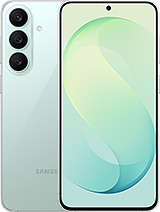
Galaxy S26 FE