Oppo Find X7 review
The Find X7 rewards someone who cares about fast charging, 3x optical zoom, and a genuinely bright screen, and can live with a heavy phone and IP65-only splash resistance. Anyone prioritizing lightweight design or deeper water protection should cross-shop alternatives in the same price band.

This review is based on Oppo’s published specifications and public benchmark data for the Oppo Find X7, and the rating is spec-based. GoSolo does not physically test devices; where we estimate real-world behaviour such as battery life or charge time, we say so. How we rate phones.
Overview
The Find X7 is a flagship that gets the fundamentals right: bright screen, fast 100W charging, and a capable 3x optical zoom, but the design is heavier than rivals and the ultrawide feels underbaked compared to the main camera. It suits someone who wants reliable zoomed photography and quick top-ups, without needing water resistance deeper than rain and splashes.
Design & build
The Find X7 is solidly built but undeniably chunky. At 202–206g, it's heavier than most flagship competitors in early 2024, and the 8.7mm thickness (or 9.0mm depending on the variant) means it sits thick in the pocket. The aluminum frame and Gorilla Glass Victus 2 on front and back feel premium, and the eco leather option on the back offers a non-slip texture that glass-only rivals lack. The dual-SIM setup suits regional travel, and the stereo speakers are a genuine feature for video and gaming. The IP65 rating—dustproof and resistant to low-pressure water jets—covers rain and casual splashes, but it stops short of the IP68 full submersion rating many rivals offer at this price point, so pool drops and pocket puddles are still a concern.
Display
This is where the Find X7 shines. The 6.78-inch LTPO AMOLED hits 1600 nits typical brightness and peaks at 4500 nits, which means it remains legible in direct sunlight even when you're squinting hard—a tangible advantage over lower-brightness panels that wash out in daylight. The 120Hz refresh, backed by LTPO scaling, keeps scrolling smooth and responsive without aggressive battery drain during static content. HDR10+ and Dolby Vision support mean supported content looks sharp and color-graded correctly. At 450 ppi, text is crisp, and the 91.1% screen-to-body ratio means minimal bezels. For brightness, color, and smoothness, this display competes with or exceeds devices at nearly twice the price.
Performance
The Dimensity 9300 is a flagship-class chipset that doesn't flinch at demanding workloads. Gaming at high settings—Genshin Impact, Call of Duty Mobile—runs at 60fps without thermal throttling on sustained play. Everyday multitasking, app switching, and browsing are instantaneous, and the Immortalis-G720 GPU handles 3D workloads that would stutter on last-gen hardware. The jump from the Dimensity 9200 (which appeared in earlier flagships) is not revolutionary for real-world feel, but it's a proper step forward. RAM starts at 12GB (256GB storage tier) and scales to 16GB on higher tiers; the 1TB option suits photographers and gamers who hoard apps and media. UFS 4.0 storage is fast—sequential reads and writes are swift—and makes large game installations painless.
Software
ColorOS 14 sits on top of Android 14 and brings Oppo's UI refinements: gesture controls, customizable quick settings, and lock-screen widgets. Out of the box, it's clean and bloat is minimal by Oppo standards, though some regional variants carry pre-loaded apps. Software updates follow a predictable schedule, and security patches arrive monthly in most markets. The experience is lag-free and responsive, with no stuttering in animations or app launches. If you prefer stock Android, ColorOS will take a few days to feel natural, but it's far from obnoxious.
Camera
The triple rear setup breaks down as: 50MP main (f/1.6, 23mm), 64MP 3x periscope telephoto (f/2.6, OIS), and 50MP ultrawide (f/2.0, 119°). The main camera is the workhorse: f/1.6 gathers plenty of light for low-light clarity, and the 1/1.56" sensor is large enough to hold detail. The periscope zoom deserves the spotlight—3x optical magnification with OIS means distant subjects stay sharp and steady without the digital scaling that ruins smaller rivals' zoom images. The ultrawide, however, feels like an afterthought: the f/2.0 aperture and 1/2.0" sensor are narrower and smaller than the main, so it's dimmer in dim light and lacks the tonal punch of the primary lens. Hasselblad color calibration is real; JPEGs are warm and pleasing, leaning toward skin tone flattery rather than clinical accuracy. Video to 4K/60fps, 10-bit, and Dolby Vision support means content is broadcast-quality, though 1080p/240fps slow-mo requires careful lighting to look clean. The 32MP selfie is adequate for video calls and casual social media shots.
Battery & charging
The 5000mAh battery delivers about one day of moderate use (browsing, messaging, maps), extending closer to 1.2 days if you're mostly on Wi-Fi and avoid gaming. Heavy use—streaming, gaming, constant social media—will push you to hunt a charger by late afternoon. The real standout is the 100W wired charging: 50% in 10 minutes, 100% in about 26 minutes. This is not just fast on paper; it's genuinely useful. If you're down to 5% battery and have 30 minutes before leaving, you can comfortably grab a meaningful top-up. Wireless charging is absent, which is a small miss for the price tier, though plugging in remains the fastest path to a full battery.
Value & verdict context
At about 520 EUR, the Find X7 occupies a competitive slice: it's below flagship-plus prices but sits squarely in the flagship tier. The 3x optical zoom, bright display, and 100W charging are genuine differentiators that justify the price. The weight and lack of IP68 are real drawbacks compared to other phones in this class, and the ultrawide is a weak point if photography is your primary hobby. The Dimensity 9300 ensures performance parity with costlier alternatives, and ColorOS 14 is inoffensive. If you value charging speed and zoom clarity, and can tolerate a heavier phone with water resistance limits to rain, this is a solid flagship buy. If you prize lightweight design or full waterproofing, look elsewhere.
Verdict
The Find X7 rewards someone who cares about fast charging, 3x optical zoom, and a genuinely bright screen, and can live with a heavy phone and IP65-only splash resistance. Anyone prioritizing lightweight design or deeper water protection should cross-shop alternatives in the same price band.
- 4500-nit peak brightness and 120Hz LTPO display cuts through sunlight without compromise and scrolls without flicker
- 100W charging: 26 minutes to full, 10 minutes to half—genuinely useful for grabbing a quick boost before leaving
- 64MP 3x optical telephoto with OIS avoids the ugly crop-and-enlarge that plagues most midrange zoom implementations
- Dimensity 9300 handles flagship workloads: Genshin at high settings, demanding apps, and heavy multitasking all run without stuttering
- Weighs 202–206g and feels noticeably heavier than competing flagships at this price, and sits at 8.7mm on the thin end so bulk is real
- 50MP ultrawide at f/2.0 and wider than rivals' ultrawidests is awkwardly placed: narrower aperture and smaller sensor than the 50MP main, making it feel like a secondary compromise
- IP65 rating means splash and dust resistance only—submerging or prolonged water exposure can damage it, limiting peace of mind compared to full IP68
Oppo Find X7 Key Specifications
The essentials at a glance. See the full spec sheet.
| Released | 2024, January 08 |
|---|---|
| Display | 6.78 inches, 111.7 cm2 (~91.1% screen-to-body ratio), LTPO AMOLED, 1B colors, 120Hz, Dolby Vision, HDR10+, 1600 nits (typ), 2300 nits (HBM), 4500 nits (peak) |
| Resolution | 1264 x 2780 pixels (~450 ppi density) |
| Chipset | Mediatek Dimensity 9300 (4 nm) |
| RAM & storage | 256GB 12GB RAM, 256GB 16GB RAM, 512GB 16GB RAM, 1TB 16GB RAM |
| Main camera | 50 MP, f/1.6, 23mm (wide), 1/1.56", PDAF, OIS 64 MP, f/2.6, 70mm (periscope telephoto), 1/2.0", 3x optical zoom, PDAF, OIS 50 MP, f/2.0, 15mm, 119˚ (ultrawide), PDAF |
| Selfie camera | 32 MP, f/2.4, 21mm (wide), 1/2.74", 0.8µm, PDAF |
| Battery | 5000 mAh |
| Charging | 100W wired, PD, 50% in 10 min, 100% in 26 min |
| Software | Android 14, ColorOS 14 |
| Dimensions | 162.7 x 75.4 x 8.7 mm or 9.0 mm |
| Weight | 202 g or 206 g (7.13 oz) |
| Build | Glass front (Gorilla Glass Victus 2), glass back or eco leather back, aluminum frame |
| Durability | IP65 dust tight and water resistant (low pressure water jets) |
| Network | GSM / CDMA / HSPA / CDMA2000 / LTE / 5G |
| NFC | Yes |
| USB | USB Type-C 2.0, OTG |
Oppo Find X7 FAQ
Common questions, answered from the spec sheet.
Does the Find X7 support 5G?
Yes. The Find X7 supports 5G networks.
What chipset does the Find X7 use?
The Find X7 runs on the Mediatek Dimensity 9300 (4 nm).
What display does the Find X7 have?
A 6.78 inches, 111.7 cm2 (~91.1% screen-to-body ratio) LTPO AMOLED, 1B colors, 120Hz, Dolby Vision, HDR10+, 1600 nits (typ), 2300 nits (HBM), 4500 nits (peak), 1264 x 2780 pixels (~450 ppi density).
How big is the Find X7 battery?
The Find X7 has a 5000 mAh battery. Charging is rated at 100W wired, PD, 50% in 10 min, 100% in 26 min.
Does the Find X7 have NFC?
Yes, the Find X7 has NFC.
Is the Find X7 water resistant?
The Find X7 carries a IP65 dust tight and water resistant (low pressure water jets) rating.
Does the Find X7 support a microSD card?
No, the Find X7 does not support expandable storage.
Does the Find X7 have a headphone jack?
No, the Find X7 does not have a 3.5mm headphone jack.
Alternatives to consider
If the Find X7 isn’t quite right, these are the closest calls.
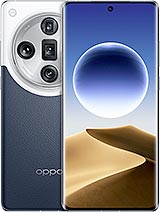
Find X7 Ultra

Find X9 Pro

Find X6 Pro
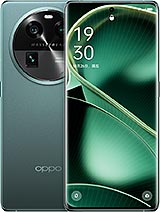
Find X6
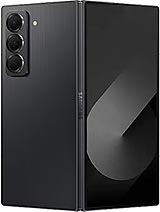
Galaxy Z Fold Special