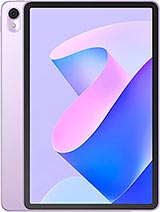
Oppo Pad 2 review
The Pad 2 suits someone who wants an affordable tablet purely for reading, browsing, and video on a big screen and accepts that corners have been cut. Anyone seeking a well-rounded device or planning to do creative work should look at older flagship tablets or step up in price to something with faster charging, a brighter screen, and current software."
This review is based on Oppo’s published specifications and public benchmark data for the Oppo Pad 2, and the rating is spec-based. GoSolo does not physically test devices; where we estimate real-world behaviour such as battery life or charge time, we say so. How we rate phones.
Overview
The Oppo Pad 2 is a slim, light 11-inch tablet with a 120Hz IPS screen and a solid Snapdragon 870 that handles everyday use smoothly. It's a safe, unremarkable choice for reading and video that doesn't excel at anything, and the £310 price tells you why—it cuts corners on refresh rate, brightness, and camera in ways cheaper rivals have started to match.
Design & build
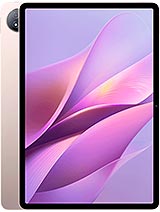
At 507 grams and 7.1mm thick, the Pad 2 is slim and light enough to hold one-handed for browsing or reading. The 16:10 ratio and 11-inch size sit between a large phone and a full-sized tablet, useful if you spend time reading documents or watching video but not so large that it feels awkward for casual use. The metal frame feels solid, and the overall build is inoffensive if unremarkable—it's the kind of device that does its job without drawing attention. For a 2022 budget-to-mid-range tablet, the physical design hits the brief without fuss.
Display
The 11-inch IPS LCD is bright enough at 480 nits for indoor reading and video, and the 1600×2560 resolution at 274 ppi is sharp for text and images at this size. Where it falls behind is the 120Hz refresh rate, which by 2022 had become common on competing tablets at this price; rivals in the same bracket were already jumping to 144Hz or 165Hz. For scrolling through documents or web pages the 120Hz is smooth enough, but sit it next to a 144Hz alternative and the difference becomes visible. The LCD panel itself is standard fare—colours are competent but not vibrant, and viewing angles are solid as long as you're looking straight on. It is functional, not compelling.
Performance
The Snapdragon 870 with up to 8GB RAM is a high-end chip from its era and handles everyday apps, streaming, and office work without strain. Multitasking is fluid, and switching between apps feels responsive. Where the performance ceiling becomes real is in demanding games and video editing, where the Adreno 650 GPU will struggle to hold high frame rates or fast export times compared to the Snapdragon 888 or later flagships. For a buyer doing light work, streaming, and casual gaming, the 870 is more than enough and will not disappoint in day-to-day use. The 6GB base RAM is adequate for typical tablet use, though the 8GB option is worth considering if you plan to keep multiple apps and browser tabs open.
Software
It ships with Android 11 and ColorOS 12, which by early 2022 was already a generation behind Android 12. There is no indication of update roadmap, and for a £310 tablet the expectation of long-term support is low. ColorOS adds Samsung-style customization and bloat in equal measure—useful widgets and themes if you like tinkering, but also pre-installed apps and system services that chew battery and storage. The interface is fluid and familiar to Android users, and nothing about the software experience is broken, though it also offers no compelling reason to choose this over a cheaper Android tablet or an older iPad.
Camera
The 13MP rear and 8MP front cameras are functional but uninspired. The rear shooter captures sharp daylight stills thanks to autofocus and a wide f/2.2 aperture, and the LED flash helps in low light, but there's no computational photography to speak of and no ultra-wide or zoom lens. Video is limited to 1080p@30fps, which is slow for a 2022 device at any price. The front camera is adequate for video calls and casual selfies. For most tablet owners this is sufficient, but if photography or video recording is part of your workflow, the camera here will feel like an afterthought—which it is.
Battery & charging
The 8360 mAh battery should deliver about a day to a day and a half of moderate use—reading, browsing, video, email—without needing to charge. Heavy use with video calls or gaming will pull that down to a single day. The USB Power Delivery charging is standard by 2022, though the spec sheet doesn't specify the wattage; based on the battery size, expect 20–30W charging, which is sluggish by current standards. A full charge from empty will take several hours. For a tablet this is acceptable since you're unlikely to top up multiple times a day, but the lack of fast charging feels like a missed opportunity at the price point.
Value & verdict
At around £310, the Pad 2 is positioned as an affordable entry into tablet ownership, competing with older iPads and equally unremarkable Android alternatives. It does the basics well—reading, streaming, web browsing—and the 11-inch screen is large enough to make those tasks comfortable. The Snapdragon 870 ensures it won't lag, and the thin, light build is a genuine strength. The catch is that it offers no reason to buy it over cheaper options with similar specs or older flagship tablets that still outperform it. The 120Hz screen, mid-range camera, and dated software all suggest that Oppo cut costs in visible places rather than investing in a truly rounded product. For someone buying a tablet purely to consume media and text on a bigger screen and expecting no frills, it works. For anyone else, there is better value elsewhere.
Verdict
The Pad 2 suits someone who wants an affordable tablet purely for reading, browsing, and video on a big screen and accepts that corners have been cut. Anyone seeking a well-rounded device or planning to do creative work should look at older flagship tablets or step up in price to something with faster charging, a brighter screen, and current software."
- Light and thin (507g, 7.1mm) makes it genuinely comfortable to hold for long reading or video sessions
- Snapdragon 870 handles everyday apps and multitasking without stutter, no lag in daily use
- 8360mAh battery stretches comfortably to a full day on moderate use
- 120Hz refresh rate is ordinary for 2022; rivals at this price already offer 144Hz, making scrolling feel dated
- No fast charging and low brightness (480 nits) for outdoor use compared to better-specced tablets in the same price band
- Cameras are purely functional; 1080p video cap and no zoom or ultra-wide limit usefulness for anything beyond basic calls and snapshots
Oppo Pad 2 Key Specifications
The essentials at a glance. See the full spec sheet.
| Released | 2022, February 24 |
|---|---|
| Display | 11.0 inches, 350.9 cm2 (~84.9% screen-to-body ratio), IPS LCD, 120Hz, 480 nits |
| Resolution | 1600 x 2560 pixels, 16:10 ratio (~274 ppi density) |
| Chipset | Qualcomm SM8250-AC Snapdragon 870 5G (7 nm) |
| RAM & storage | 128GB 6GB RAM, 256GB 6GB RAM, 256GB 8GB RAM |
| Main camera | 13 MP, f/2.2, 26mm (wide), AF |
| Selfie camera | 8 MP, f/2.0, 27mm (wide) |
| Battery | 8360 mAh |
| Charging | USB Power Delivery |
| Software | Android 11, ColorOS 12 |
| Dimensions | 252.2 x 163.8 x 7.1 mm (9.93 x 6.45 x 0.28 in) |
| Weight | 507 g / 510 g (1.12 lb) |
| Network | No cellular connectivity |
| NFC | No |
| USB | USB Type-C 2.0, OTG |
Oppo Pad 2 FAQ
Common questions, answered from the spec sheet.
Does the Pad 2 support 5G?
No. The Pad 2 tops out at No cellular connectivity, without 5G.
What chipset does the Pad 2 use?
The Pad 2 runs on the Qualcomm SM8250-AC Snapdragon 870 5G (7 nm).
What display does the Pad 2 have?
A 11.0 inches, 350.9 cm2 (~84.9% screen-to-body ratio) IPS LCD, 120Hz, 480 nits, 1600 x 2560 pixels, 16:10 ratio (~274 ppi density).
How big is the Pad 2 battery?
The Pad 2 has a 8360 mAh battery. Charging is rated at USB Power Delivery.
Does the Pad 2 have NFC?
No, the Pad 2 does not list NFC support.
Does the Pad 2 support a microSD card?
No, the Pad 2 does not support expandable storage.
Alternatives to consider
If the Pad 2 isn’t quite right, these are the closest calls.
Pad 3

Pad WiFi

Pad Neo WiFi
Pad 3 Pro
Pad Air