Oppo Pad 5 review
The Pad 5 suits anyone who wants a genuinely portable 11-inch tablet for media, reading, and casual work without compromising on display quality or responsiveness. Look elsewhere if you plan to shoot video, demand fast charging, or expect three-year software support—those people should stretch to a Samsung or consider an iPad.
This review is written with AI assistance from Oppo’s published specifications and public benchmark data for the Oppo Pad 5, and the rating is spec-based. GoSolo does not physically test devices; where we estimate real-world behaviour such as battery life or charge time, we say so. How we rate phones.
Overview
The Oppo Pad 5 is a solid 11-inch tablet with a 120Hz LCD screen, Snapdragon 870 power, and an 8360mAh battery that will last a full working day. It competes on size and raw performance but stumbles on charging speed and video recording in a market where rivals have moved past 1080p.
Design & build
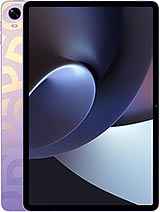
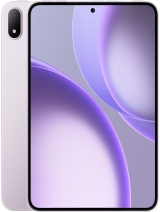
At 507 grams and 7.1mm thick, the Pad 5 punches well above its weight class in portability. For comparison, most 11-inch tablets are closer to 600g and feel noticeably heftier. The aluminium frame and clean lines don't scream luxury, but they feel competent and stable in hand. The 84.9% screen-to-body ratio means minimal bezel waste, so you're getting near-full real estate without the tablet feeling oversized. The weight distribution is even, so it doesn't fatigue your hands during extended reading or video sessions the way some heavier slates do.
Display
The 11-inch IPS LCD running at 120Hz offers crisp text and smooth scrolling at 274 ppi—adequate sharpness for a screen this size, especially if you sit at a normal viewing distance. The 480-nit peak brightness is enough for indoor and moderately lit outdoor use, though it won't match the eye-searing levels of flagship tablets or OLED rivals. The 16:10 aspect ratio is sensible for reading and productivity. Colour reproduction is neutral and consistent; nothing flashy, which is fine because flamboyant displays wear your eye out on tablets where you spend hours at a time. For the price, this is a well-calibrated panel that prioritises practicality over showmanship.
Performance
The Snapdragon 870 is a near-flagship chip from 2021, and in a tablet context it's overkill for anything except demanding games and heavy multitasking. You'll notice no lag switching between apps, playing video, or editing documents. Gaming performance is solid—expect high framerates in anything current without thermal throttle. The 6GB or 8GB RAM variants handle most workflows without fuss. That said, by 2022 standards this is not cutting-edge; the chip was already two generations old at launch. It will stay relevant for at least another two years of software updates and typical use, but it's not a future-proofing choice, just a sensible one.
Software
It ships with Android 11 and ColorOS 12, which means the software foundation is solid but ageing. ColorOS has a reputation for bloat, though Oppo has tamed it somewhat in recent iterations. The tablet experience is workable: you get split-screen multitasking, app pairs, and landscape optimisation. However, in 2022, Samsung's DeX and Apple's iPad OS offered more thoughtful tablet-specific features. Updates are a question mark; Oppo's Android tablet update policy has historically been patchy compared to Samsung or Apple, so don't expect more than a year or two of major OS bumps.
Camera
The 13MP rear camera is functional but uninspired. It handles well-lit scenes competently, and the f/2.2 aperture and autofocus prevent truly blurry shots. The 1080p video recording is the real letdown here; in 2022, even entry tablets were shooting 4K, and on a device with an 11-inch canvas, the softness of 1080p feels like a step back. The 8MP selfie camera is adequate for video calls. If you're buying a tablet primarily for media consumption or light productivity, the camera is a non-issue. If you want to record video on the go, this isn't your machine.
Battery & charging
The 8360mAh battery will carry you through a typical day of mixed use—web browsing, video, messaging, light gaming—with 20 to 30% remaining if you're not hammering it constantly. Heavier use (sustained video or gaming) might need a mid-day top-up, but that's expected on an 11-inch slate. The problem is the 33W charging speed. On an 8360mAh cell, that translates to roughly 90 minutes to a full charge from empty, which is sluggish by 2022 standards. Rivals in this price bracket are shipping 65W or higher, cutting charge time in half. If you're the type who charges overnight, it's fine; if you need the tablet ready in an hour, you'll feel the gap.
Value & verdict
At around 310 EUR, the Pad 5 is a reasonable buy for someone who wants a large, portable slate for content consumption, reading, and light work without flagship pricing. The 120Hz display and snappy performance justify the cost. The 128GB base model, however, is a false economy given no microSD slot—stretch to 256GB if you're keeping any media on board. Against Samsung's Tab S7 FE or Lenovo's Tab M10 Plus Gen 2, the Pad 5 holds its own on screen quality and feels faster. It loses ground to Samsung on software longevity and to most rivals on charging speed and video recording. It's a solid workhorse tablet that assumes you'll supplement it with a phone or laptop for demanding tasks, not replace them.
Verdict
The Pad 5 suits anyone who wants a genuinely portable 11-inch tablet for media, reading, and casual work without compromising on display quality or responsiveness. Look elsewhere if you plan to shoot video, demand fast charging, or expect three-year software support—those people should stretch to a Samsung or consider an iPad.
- 11-inch 120Hz display with good colour and brightness for the price (480 nits peak)
- Snapdragon 870 handles multitasking and gaming without struggle, with enough headroom for next few years
- Slim 7.1mm body and 507g weight make it genuinely portable for an 11-inch tablet
- 8360mAh battery sustains a full day of mixed use without the bloat of larger rivals
- 33W charging is cautious for a 8360mAh battery; rivals at this price now offer faster top-ups
- 1080p video recording in 2022 is behind the curve, especially on a tablet where you might want to capture wider angles
- Minimal upgrade path: 128GB base storage with no microSD, and only 6GB RAM on entry models feels constrained for productivity use
Oppo Pad 5 Key Specifications
The essentials at a glance. See the full spec sheet.
| Released | 2022, February 24 |
|---|---|
| Display | 11.0 inches, 350.9 cm2 (~84.9% screen-to-body ratio), IPS LCD, 120Hz, 480 nits |
| Resolution | 1600 x 2560 pixels, 16:10 ratio (~274 ppi density) |
| Chipset | Qualcomm SM8250-AC Snapdragon 870 5G (7 nm) |
| RAM & storage | 128GB 6GB RAM, 256GB 6GB RAM, 256GB 8GB RAM |
| Main camera | 13 MP, f/2.2, 26mm (wide), AF |
| Selfie camera | 8 MP, f/2.0, 27mm (wide) |
| Battery | 8360 mAh |
| Software | Android 11, ColorOS 12 |
| Dimensions | 252.2 x 163.8 x 7.1 mm (9.93 x 6.45 x 0.28 in) |
| Weight | 507 g / 510 g (1.12 lb) |
| Network | No cellular connectivity |
| NFC | No |
| USB | USB Type-C 2.0, OTG |
Oppo Pad 5 FAQ
Common questions, answered from the spec sheet.
Does the Pad 5 support 5G?
No. The Pad 5 tops out at No cellular connectivity, without 5G.
What chipset does the Pad 5 use?
The Pad 5 runs on the Qualcomm SM8250-AC Snapdragon 870 5G (7 nm).
What display does the Pad 5 have?
A 11.0 inches, 350.9 cm2 (~84.9% screen-to-body ratio) IPS LCD, 120Hz, 480 nits, 1600 x 2560 pixels, 16:10 ratio (~274 ppi density).
How big is the Pad 5 battery?
The Pad 5 has a 8360 mAh battery.
Does the Pad 5 have NFC?
No, the Pad 5 does not list NFC support.
Does the Pad 5 support a microSD card?
No, the Pad 5 does not support expandable storage.
Alternatives to consider
If the Pad 5 isn’t quite right, these are the closest calls.
Pad 3 Matte Display
Pad 6
Pad SE
Pad Mini

iPad 2025