Oscal Bolt 2 review
The Bolt 2 makes sense only if you need a large screen and dual SIM flexibility and can live with fuzziness and lag. Anyone wanting a responsive, sharp tablet should spend a bit more or look at stronger budget alternatives.
This review is based on Oscal’s published specifications and public benchmark data for the Oscal Bolt 2, and the rating is spec-based. GoSolo does not physically test devices; where we estimate real-world behaviour such as battery life or charge time, we say so. How we rate phones.
Overview
The Bolt 2 is a budget tablet aimed at everyday browsing and media on an 11-inch screen, held back by low pixel density and an entry-level chipset that makes it feel sluggish. At €200, it is a competent alternative to cheaper Android tablets, but does not justify the price against stronger rivals in the same range.
Design & Build
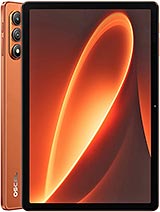
At 567 grams and 8.4 mm thick, the Bolt 2 feels remarkably svelte for an 11-inch device, making it comfortable to hold or carry in a large bag. The body is straightforward plastic—no surprises—but the thinness is a genuine engineering choice that pays off in handling. Dual Nano-SIM and microSDXC support (via a shared slot) is practical for users who need multiple networks or want to add storage, a rarity in the budget tablet segment that still matters in markets where regional cards are essential.
Display
The 11-inch IPS LCD panel with 90Hz refresh is a draw, but the 800 x 1280 resolution at 137 ppi is where the screen stumbles. Text on web pages, book text, and UI elements all look slightly soft and pixelated at a typical viewing distance—acceptable in 2021, dated in 2026. The 81% screen-to-body ratio is respectable, and the 16:10 aspect ratio suits reading and video reasonably well. If you are content with slightly fuzzy clarity and do not stare at fine detail, the display works for casual browsing and streaming; anyone coming from a modern phone will notice the step back immediately.
Performance
The Unisoc T7250 is an entry-level chip designed for budget Android devices, and it shows. Web browsing is functional but prone to lag when tabs pile up; switching between apps is sluggish, and anything resource-hungry will cause noticeable stuttering. The base 3GB RAM option is particularly thin and will exacerbate these issues—jumping to 8GB is worth the extra cost if you choose this tablet, though even then you are still bottlenecked by the processor. For basic tasks like email, light reading, YouTube, and messaging, it scrapes by; for anything beyond that, do not expect a responsive experience.
Software
Android 16 with DokeOS_P 5.0 (a Doke-branded overlay) ships out of the box. DokeOS tends toward bloatware—expect a cluttered home screen with pre-installed apps you will not use. The overlay is not elegant, but it is navigable. Updates will likely be slow or non-existent, as budget brands rarely prioritize timely patches; security could be an afterthought, so treat this as a secondary device if data privacy matters to you.
Camera
The 8MP rear and 5MP front sensors are below smartphone standard and feel incidental on a tablet. Photos are soft, colors are muted, and low light is painful. Video maxes out at 1080p@60fps, which is acceptable for casual clips but nothing more. Most people buy tablets for content consumption, not creation, so the camera is more a checkbox than a feature; use your phone if you need decent pictures.
Battery & Charging
The 8300mAh battery is the strong point. In lighter use—reading, browsing, video—you should expect 10–12 hours of runtime, maybe more. Charging details are sparse; the spec sheet lists 18W, which is modest by modern standards and will take several hours to refill. The battery itself is large enough that you will not be tethered to a charger throughout the day, a genuine relief on a budget tablet.
Value & Verdict Context
At €200, the Bolt 2 undercuts many rival 10–11-inch tablets, but the margin is often smaller than you would think. For that price, you can find tablets with sharper screens, faster chips, or both. The Bolt 2's main selling point is sheer screen size on a tight budget and the bonus of dual SIM and microSD; neither is enough to overcome a fuzzy display and sluggish performance. It sits in an awkward spot—too low-resolution and slow to feel comfortable as a primary device, too expensive to feel like a no-regrets impulse buy.
Verdict
The Bolt 2 makes sense only if you need a large screen and dual SIM flexibility and can live with fuzziness and lag. Anyone wanting a responsive, sharp tablet should spend a bit more or look at stronger budget alternatives.
- Large 11-inch display at an extremely low price
- Solid 8300mAh battery for extended reading and video
- Dual SIM and microSD support for regional flexibility
- Thin and light enough for casual handling despite the size
- Very low pixel density (137 ppi) makes text and icons noticeably fuzzy on a tablet this size
- Unisoc T7250 is too weak for smooth multitasking or modern apps
- Minimal RAM in the base model (3GB) will strain performance and app switching
Oscal Bolt 2 Key Specifications
The essentials at a glance. See the full spec sheet.
| Released | 2026, September, 22 |
|---|---|
| Display | 11.0 inches, 350.9 cm2 (~81.0% screen-to-body ratio), IPS LCD, 90Hz |
| Resolution | 800 x 1280 pixels, 16:10 ratio (~137 ppi density) |
| Chipset | Unisoc T7250 (12 nm) |
| RAM & storage | 128GB 3GB RAM, 128GB 8GB RAM |
| Main camera | 8 MP |
| Selfie camera | 5 MP |
| Battery | 8300 mAh |
| Software | Android 16, DokeOS_P 5.0 |
| Dimensions | 257 x 168.6 x 8.4 mm (10.12 x 6.64 x 0.33 in) |
| Weight | 567 g (1.25 lb) |
| Network | GSM / HSPA / LTE |
| NFC | No |
| USB | USB Type-C, OTG |
Oscal Bolt 2 FAQ
Common questions, answered from the spec sheet.
Does the Bolt 2 support 5G?
No. The Bolt 2 tops out at GSM / HSPA / LTE, without 5G.
What chipset does the Bolt 2 use?
The Bolt 2 runs on the Unisoc T7250 (12 nm).
What display does the Bolt 2 have?
A 11.0 inches, 350.9 cm2 (~81.0% screen-to-body ratio) IPS LCD, 90Hz, 800 x 1280 pixels, 16:10 ratio (~137 ppi density).
How big is the Bolt 2 battery?
The Bolt 2 has a 8300 mAh battery.
Does the Bolt 2 have NFC?
No, the Bolt 2 does not list NFC support.
Does the Bolt 2 support a microSD card?
Yes, the Bolt 2 supports expandable storage (microSDXC (uses shared SIM slot)).
Alternatives to consider
If the Bolt 2 isn’t quite right, these are the closest calls.
Tiger 8

Tiger 13
Elite 1
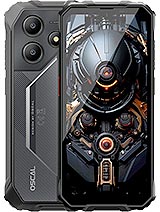
Marine 1
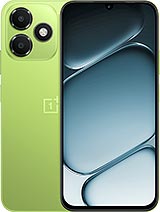
N6 Lite