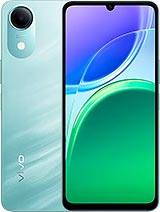
Oscal Flat 3C review
This phone suits someone with minimal demands—calls, SMS, maps, and light browsing on an ultra-tight budget who values battery endurance above all. If you do any photography, multitasking, or expect comfortable screen clarity, you'll regret the compromise; even at 120 EUR there are sharper, faster alternatives nearby.
This review is based on Oscal’s published specifications and public benchmark data for the Oscal Flat 3C, and the rating is spec-based. GoSolo does not physically test devices; where we estimate real-world behaviour such as battery life or charge time, we say so. How we rate phones.
Overview
The Oscal Flat 3C is a bare-bones budget Android phone that prioritizes battery capacity and dual SIM over performance or imaging prowess. At around 120 EUR, it's an honest no-frills device for calls, texts, and light use, but the screen resolution and chipset are genuinely dated even for the entry tier.
Design & build
The Oscal Flat 3C is slim and light enough to forget you're carrying it, and at 199.5 g it won't exhaust your pocket or bag. The 8.9 mm thickness hits that sweet spot between durability and pocketability. The industrial styling is plain—IPS LCD, plastic chassis, no frills—but plain beats feeling cheap. For a phone at this price you're not expecting metal or glass; what matters is that it doesn't feel like it will snap if you set it down firmly, and the Flat 3C passes that test.
Display
This is where the budget shows. A 6.56-inch display sounds generous, but 720 x 1612 pixels delivers only 269 ppi density. Text feels jagged, photos look soft, and even scrolling through social feeds reveals the low resolution. IPS technology keeps viewing angles decent, but there's no escaping the coarse pixel grid. For 2026, even budget rivals in this price tier often hit 1080p or higher; the Flat 3C falls behind on sharpness. It will work for calls, SMS, and video calls, but don't expect comfortable extended reading or photo browsing.
Performance
The Unisoc Tiger T310 is entry-level silicon that serves its narrowest remit: keeping Android alive. With 4 GB RAM, you'll handle one app at a time without issue. Open a second app or fire up anything graphically demanding, and you'll feel hesitation. Gaming is off the table. Heavy social apps may struggle with scrolling. For calls, messaging, basic navigation, and streaming at low bitrate, it's adequate. But this chipset is genuinely dated by mid-2026 standards; even at this price point, competitors are offering faster processors. DokeOS 5.0 should keep bloat down, which helps, but there's no escaping that this hardware is the bare minimum to run modern Android.
Software
Android 16 with DokeOS 5.0 is a positive. DokeOS is Oscal's lean take on Android that aims to reduce clutter and extend battery life. For a budget device, this kind of customization can actually help; you're not bogged down with duplicate Google apps or carrier bloatware. Security updates and OS longevity are still questions marks (Oscal isn't known for long support cycles), but at 120 EUR, you're not buying this for five years of updates. It's a phone for today's basic needs.
Camera
The 32 MP main sensor is purely on paper. At this price and with these processing limits, resolution doesn't translate to good photos. Expect soft detail, sluggish focusing, and dull color in anything but bright daylight. The 13 MP selfie camera handles video calls adequately. HDR and panorama are present but unlikely to rescue poor lighting. For a phone in this tier, the camera won't embarrass you in good light, but it won't impress either. If photography matters at all, you'll feel this compromise.
Battery & charging
The 5000 mAh battery is the Flat 3C's headline feature, and it delivers what it promises: roughly 1.5 to 2 days of light use on a single charge. That's solid for an entry-level device. But then there's the 10W charging. Topping up from empty takes over 8 hours, which means in practice you'll be tethered to a plug overnight or go most of a working day between charges. The battery life itself is genuinely useful, but the slow charging undermines that advantage. Rivals at this price are hitting 30W or faster; the Flat 3C lags meaningfully here.
Value & verdict
At around 120 EUR, the Oscal Flat 3C occupies a specific niche: those who need a working phone for calls and basic apps but can't stretch to even the next rung of budget handsets. The battery is its real strength; the low resolution, weak chip, and glacial charging are the painful parts. Dual SIM and a microSD slot add genuine flexibility. But by 2026, even competitors at this price point offer sharper screens and snappier chips. The Flat 3C isn't broken, but it's noticeably behind the curve for its year and tier.
Verdict
This phone suits someone with minimal demands—calls, SMS, maps, and light browsing on an ultra-tight budget who values battery endurance above all. If you do any photography, multitasking, or expect comfortable screen clarity, you'll regret the compromise; even at 120 EUR there are sharper, faster alternatives nearby.
- 5000 mAh battery should deliver 2 days of light use without top-ups
- Dual SIM with dedicated microSD slot—actual flexibility for multi-carrier users or those who need storage
- Thin at 8.9 mm and light at 199.5 g; fits pockets without complaint
- USB Type-C on a 120 EUR phone is table-stakes by 2026, but worth noting it's there
- 269 ppi at 6.56 inches is visibly coarse; text and icons lack sharpness even for a budget device in 2026
- Unisoc Tiger T310 is entry-level silicon that struggles with multitasking and heavier apps; expect lag in anything beyond messaging and light browsing
- Only 10W charging paired with a 5000 mAh battery means a full charge takes over 8 hours, defeating much of the battery advantage
Oscal Flat 3C Key Specifications
The essentials at a glance. See the full spec sheet.
| Released | 2026, August 04 |
|---|---|
| Display | 6.56 inches, 103.4 cm2 (~81.5% screen-to-body ratio), IPS LCD |
| Resolution | 720 x 1612 pixels, 20:9 ratio (~269 ppi density) |
| Chipset | Unisoc Tiger T310 (12 nm) |
| RAM & storage | 64GB 4GB RAM, 128GB 4GB RAM |
| Main camera | 32 MP |
| Selfie camera | 13 MP |
| Battery | 5000 mAh |
| Software | Android 16, DokeOS 5.0 |
| Dimensions | 165.3 x 76.7 x 8.9 mm (6.51 x 3.02 x 0.35 in) |
| Weight | 199.5 g (7.05 oz) |
| Network | GSM / HSPA / LTE |
| NFC | No |
| USB | USB Type-C 2.0 |
Oscal Flat 3C FAQ
Common questions, answered from the spec sheet.
Does the Flat 3C support 5G?
No. The Flat 3C tops out at GSM / HSPA / LTE, without 5G.
What chipset does the Flat 3C use?
The Flat 3C runs on the Unisoc Tiger T310 (12 nm).
What display does the Flat 3C have?
A 6.56 inches, 103.4 cm2 (~81.5% screen-to-body ratio) IPS LCD, 720 x 1612 pixels, 20:9 ratio (~269 ppi density).
How big is the Flat 3C battery?
The Flat 3C has a 5000 mAh battery.
Does the Flat 3C have NFC?
No, the Flat 3C does not list NFC support.
Does the Flat 3C support a microSD card?
Yes, the Flat 3C supports expandable storage (microSDXC (dedicated slot)).
Alternatives to consider
If the Flat 3C isn’t quite right, these are the closest calls.
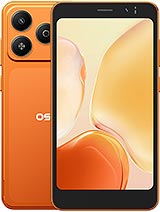
Flat 3C Mini
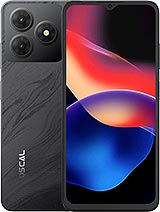
Flat 2C
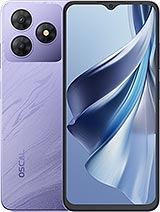
Flat 2
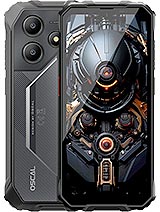
Marine 1
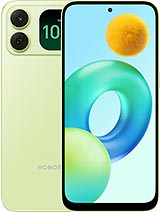
Play20C