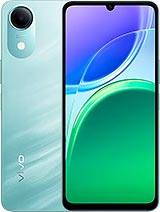
Oscal Flat 3C Mini review
This phone suits people who genuinely value compactness and simplicity—a second device, a gift for light users, or a rugged travel backup. Anyone else should look for a budget phone with a 720p display and more RAM; the experience gap is wider than the €20 or €30 price difference.
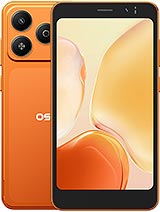
This review is based on Oscal’s published specifications and public benchmark data for the Oscal Flat 3C Mini, and the rating is spec-based. GoSolo does not physically test devices; where we estimate real-world behaviour such as battery life or charge time, we say so. How we rate phones.
Overview
The Oscal Flat 3C Mini is a minimalist 5-inch Android Go phone built for users who need calls, texts, and light apps without fuss. At €120, it delivers the bare essentials in a light, compact frame, but the 480p display and 3GB RAM feel dated even for its price tier and will disappoint anyone expecting fluidity or clarity.
Design & Build
The Flat 3C Mini is a genuine throwback to phone sizes from five years ago. At 135.6 mm tall, 70.2 mm wide, and just 11.1 mm thick, it sits comfortably in one hand and fits pockets that modern devices have abandoned. The 158.5g weight is featherlight for a smartphone in 2026, and the compact footprint is its clearest selling point. Dual Nano-SIM slots plus a dedicated microSD tray mean no cutting corners on connectivity or storage; you get all three without juggling. Build quality feels ordinary rather than cheap, which is appropriate for the price—nothing to brag about, but nothing that screams fragility.
Display
The 5.0-inch IPS LCD is a weak spot. At 480 × 854 pixels and 196 ppi density, it falls well short of what buyers now expect even at budget prices. Text is noticeably soft, and icons lack the clarity of 720p entry-level phones that cost the same. The 400-nit brightness is functional in shadow but dims noticeably in direct sun. Web pages and apps designed for modern resolutions feel cramped, and video playback—whether YouTube or streaming apps—benefits from larger, crisper panels that rival budget devices routinely offer. For a 2026 phone at €120, a 720p display has become the floor, not the exception.
Performance
The Unisoc SC9863A1 is basic silicon designed for low power draw, not speed. The octa-core Cortex-A55 cluster and 3GB RAM handle light tasks—email, messaging, calls, simple apps—without lag. Switching between a few open apps works, but the combination slows noticeably under any real load. Opening a camera app takes a moment. Scrolling through social media feeds stutters. Gaming is off the table. For users who treat a phone as a communication device and dip into light browsing or news apps, it passes. For anyone expecting to run multiple apps or spend extended time in memory-heavy software, expect frustration. This is not a performance bottleneck that €120 can always overcome.
Software
Android 16 Go edition is the phone's strongest software foundation. Go editions strip bloat and optimize for low RAM, meaning apps launch faster and the system feels snappier than a standard Android build on these specs would. The operating system is current and will receive updates on schedule, a genuine advantage over older budget phones. That said, RAM ceiling remains real: some heavier apps simply won't run smoothly or will refuse to install. Sideloading or enabling developer options opens doors for tinkerers, but mainstream users will bump into limitations.
Camera
The 5MP main sensor is the phone's weakest link. In daylight, shots are soft and lack detail, with visible grain even at normal viewing size. Colors are flat, and dynamic range is narrow—bright areas blow out while shadows crush. Low light is rough; you will see noise and motion blur in hand-held shots. The 2MP selfie is acceptable for video calls but not much else. By 2026 standards, even budget rivals offer 13MP or 16MP sensors with better optics. A €120 price point does not excuse a 5MP main camera; it is a cost-cut that will disappoint daily users.
Battery & Charging
The 3000 mAh battery will last a full day of light to moderate use, which is respectable for a 5-inch phone with a low-power chipset. Heavy use or screen-on time will push toward evening, and video streaming drains faster than social media or email. Charging details are sparse in the spec sheet (10W charging is listed), meaning a full charge from empty will take around 2.5 to 3 hours. That is not fast by modern standards, but acceptable for a phone at this price tier. Users should not expect the rapid turnaround of higher-priced models.
Value & Verdict
At €120, the Oscal Flat 3C Mini undercuts most rivals and delivers a genuinely small, light form factor that has disappeared from the market. For someone who wants a second phone, a simple device for elderly users, or a no-frills backup, the package makes sense. Dual SIM and expandable storage sweeten the deal. However, the 480p display and 5MP camera feel penny-pinched even for this price, and 3GB RAM will frustrate anyone accustomed to fluid multitasking. If you simply need a phone for calls and light browsing and prize compactness above all else, this is an honest match. If you expect to actually enjoy using it or browse comfortably, a slightly higher budget buys a 720p display and faster performance that age better.
Verdict
This phone suits people who genuinely value compactness and simplicity—a second device, a gift for light users, or a rugged travel backup. Anyone else should look for a budget phone with a 720p display and more RAM; the experience gap is wider than the €20 or €30 price difference.
- Genuinely compact at 5 inches and 158g—rare in a market that defaults to 6.5+ inches
- Dual SIM support and dedicated microSD slot mean real flexibility for switching networks or expanding storage without trade-offs
- Light software (Android 16 Go) keeps overhead low on limited hardware; instant updates and security patches reflect a modern OS base
- All-day battery life is realistic for light use, and the €120 price undercuts most budget rivals
- 480 × 854 pixel display at 196 ppi looks soft and dated; text and icons lack crispness, and watching video is a compromise even for a budget phone
- 3GB RAM with a basic Unisoc chipset means noticeable slowdown when switching apps or loading content; frustration sets in quickly with multitasking
- 5MP camera output is weak even by entry-level standards; daylight shots are grainy and lack detail, and low-light performance is rough
Oscal Flat 3C Mini Key Specifications
The essentials at a glance. See the full spec sheet.
| Released | 2026, August 04 |
|---|---|
| Display | 5.0 inches, 68.9 cm2 (~72.4% screen-to-body ratio), IPS LCD, 400 nits |
| Resolution | 480 x 854 pixels, 16:9 ratio (~196 ppi density) |
| Chipset | Unisoc SC9863A1 (28 nm) |
| RAM & storage | 32 GB, 3 GB RAM |
| Main camera | 5 MP |
| Selfie camera | 2 MP |
| Battery | 3000 mAh |
| Software | Android 16 (Go edition) |
| Dimensions | 135.6 x 70.2 x 11.1 mm (5.34 x 2.76 x 0.44 in) |
| Weight | 158.5 g (5.61 oz) |
| Network | GSM / HSPA / LTE |
| NFC | No |
| USB | USB Type-C 2.0 |
Oscal Flat 3C Mini FAQ
Common questions, answered from the spec sheet.
Does the Flat 3C Mini support 5G?
No. The Flat 3C Mini tops out at GSM / HSPA / LTE, without 5G.
What chipset does the Flat 3C Mini use?
The Flat 3C Mini runs on the Unisoc SC9863A1 (28 nm).
What display does the Flat 3C Mini have?
A 5.0 inches, 68.9 cm2 (~72.4% screen-to-body ratio) IPS LCD, 400 nits, 480 x 854 pixels, 16:9 ratio (~196 ppi density).
How big is the Flat 3C Mini battery?
The Flat 3C Mini has a 3000 mAh battery.
Does the Flat 3C Mini have NFC?
No, the Flat 3C Mini does not list NFC support.
Does the Flat 3C Mini support a microSD card?
Yes, the Flat 3C Mini supports expandable storage (microSDXC (dedicated slot)).
Alternatives to consider
If the Flat 3C Mini isn’t quite right, these are the closest calls.
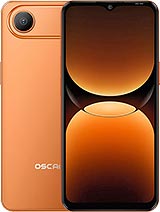
Flat 3C
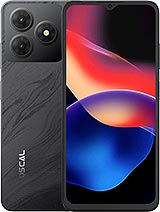
Flat 2C
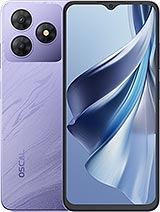
Flat 2
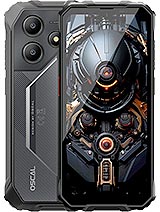
Marine 1
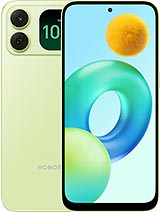
Play20C