Oscal Pilot 6 review
The Pilot 6 suits people who work on job sites, in the field, or in emergency services and need a phone that survives abuse and stays charged for two days. Skip it if you want fast charging, a sharp display, or a phone light enough to pocket comfortably all day—there are better all-arounders in this price band if durability is not your primary concern.
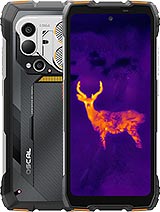
This review is written with AI assistance from Oscal’s published specifications and public benchmark data for the Oscal Pilot 6, and the rating is spec-based. GoSolo does not physically test devices; where we estimate real-world behaviour such as battery life or charge time, we say so. How we rate phones.
Overview
The Oscal Pilot 6 is a rugged mid-ranger built for durability and long battery life rather than speed or imaging prowess. It hits the fundamentals—large screen, 10,000 mAh battery, IP68 rating, MIL-STD-810H toughness—but at 411g and with a mid-tier chipset, it's a tool phone for people who need a device to work on job sites, not a do-everything device.
Design & build
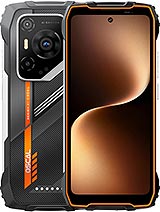
The Pilot 6 announces itself immediately: 411g, 18.1mm thick, and built to survive neglect. The MIL-STD-810H certification is not theater—this is a phone designed for scaffolding, muddy sites, and drops that would end other devices. IP68/IP69K rating (immersible to 1.5m for 30 minutes, rated for high-pressure jets) means real water and dust resistance, not just splash protection. The trade-off is undeniable: this phone feels and weighs like a tool, not a fashion statement. Side-mounted fingerprint scanner, dual SIM slots, and an LED flashlight built in are practical choices. For someone buying a rugged phone, the heft and thickness are features, not flaws. For anyone else, they matter.
Display
The 6.78-inch IPS LCD with 120Hz refresh is genuinely large and bright enough for outdoor work at 750 nits. But 1080p on that diagonal leaves the pixel density at 396 ppi—decent but not sharp. Text and icons have a slight softness compared to 1440p or AMOLED competitors at this price; it's not a dealbreaker, but noticeable if you spend hours reading or scrolling. Gorilla Glass 5 is standard, not cutting-edge. The 72.8% screen-to-body ratio reflects the rugged frame—thick bezels are part of the durability equation.
Performance
The Mediatek Helio G100, paired with 12GB RAM, sits in the capable upper-midrange tier. Daily tasks—messaging, email, light multitasking—run without hesitation. Gaming is feasible but not indulgent; expect solid 60fps in most casual titles, drops in demanding ones. The Mali-G57 MC2 GPU is competent, not powerful. For a phone sold on durability and battery life, not gaming, this is fit-for-purpose. Thermal imaging capability (160×120, 25Hz) is a niche strength and a genuine differentiator from standard phones—useful for electricians, HVAC techs, or emergency responders. 256GB storage with expandable microSDXC is generous.
Software
Android 16 with DokeOS 5.0 (Oscal's custom layer) ships current. DokeOS is light and sensible, without the bloat of some OEM skins. Updates and support longevity on a device like this are secondary to reliability and toughness—a rugged phone's value is in lasting years of abuse, not chasing the latest software bells.
Camera
The 108MP main sensor with f/1.9 aperture and PDAF is a generous specification on paper. In practice, it shoots clean daylight photos and holds detail reasonably well. The thermal imaging camera is the star here: a 160×120 unit at 25Hz that genuinely matters for inspections, diagnostics, or emergency work. Most buyers of this phone care far more about that thermal module than a third ultrawide sensor. The 50MP selfie handles video calls decently. 4K video at 30fps is standard; no 60fps or stabilization, which is fine for a device aimed at durability, not cinema.
Battery & charging
The 10,000 mAh battery is the headline. Real-world usage on light to moderate load should easily clear two full days; heavy use lands closer to a full day-plus. That longevity is the point—fewer cycles mean longer battery life overall. But the 27W charging is the weak link. A full charge from empty takes about two hours; rivals at this price often deliver 65W or faster, cutting that to 45–50 minutes. For a rugged tool phone, slower charging is annoying but not critical. The battery is large enough that most users charge overnight anyway.
Value & verdict
At around 360 EUR, the Pilot 6 is positioned as an affordable rugged phone, not a budget flagship pretending to be tough. For that lens, it delivers: durability certifications that are real, a huge battery that works, and a 120Hz screen that's pleasant outdoors. The thermal camera justifies itself for anyone in construction, utilities, or fieldwork. The weight and thickness are honest tax for the toughness. Where it lags is charging speed and pixel density—areas where rivals have moved ahead, even in the rugged category. The Helio G100 is midrange, not flagship, and that's fine; this phone is not chasing performance records.
Verdict
The Pilot 6 suits people who work on job sites, in the field, or in emergency services and need a phone that survives abuse and stays charged for two days. Skip it if you want fast charging, a sharp display, or a phone light enough to pocket comfortably all day—there are better all-arounders in this price band if durability is not your primary concern.
- 10,000 mAh battery with all-day reliability in a legitimate rugged build (IP68/IP69K, drop-resistant, MIL-STD-810H certified)
- Large 6.78-inch display with 120Hz refresh and decent brightness (750 nits) makes outdoor use feasible
- Thermal imaging camera and LED flashlight add genuine utility for construction, emergency, or field work
- Helio G100 and 12GB RAM handles everyday tasks and light gaming without strain
- Heavy at 411g and thick at 18.1mm—noticeable in-hand and in a pocket compared to standard phones
- 27W charging is slow even for this class; rivals often hit 65W or higher, meaning real-world wait times
- 1080p resolution on a 6.78-inch screen leaves text and detail softer than you'd expect at this price
Oscal Pilot 6 Key Specifications
The essentials at a glance. See the full spec sheet.
| Released | 2026, March 02 |
|---|---|
| Display | 6.78 inches, 109.2 cm2 (~72.8% screen-to-body ratio), IPS LCD, 120Hz, 750 nits |
| Resolution | 1080 x 2460 pixels (~396 ppi density) |
| Chipset | Mediatek Helio G100 (6 nm) |
| RAM & storage | 256GB 12GB RAM |
| Main camera | 108 MP, f/1.9, (wide), 1/1.67", PDAF Thermal, 160×120, 25Hz |
| Selfie camera | 50 MP, (wide), 1/2.76" |
| Battery | 10000 mAh |
| Software | Android 16, DokeOS 5.0 |
| Dimensions | 182.8 x 82 x 18.1 mm (7.20 x 3.23 x 0.71 in) |
| Weight | 411 g (14.50 oz) |
| Durability | IP68/IP69K dust tight and water resistant (high pressure water jets; immersible up to 1.5m for 30 min) Drop resistant 1.5m MIL-STD-810H compliant LED flashlight |
| Network | GSM / HSPA / LTE |
| NFC | Yes |
| USB | USB Type-C 2.0, OTG |
Oscal Pilot 6 FAQ
Common questions, answered from the spec sheet.
Does the Pilot 6 support 5G?
No. The Pilot 6 tops out at GSM / HSPA / LTE, without 5G.
What chipset does the Pilot 6 use?
The Pilot 6 runs on the Mediatek Helio G100 (6 nm).
What display does the Pilot 6 have?
A 6.78 inches, 109.2 cm2 (~72.8% screen-to-body ratio) IPS LCD, 120Hz, 750 nits, 1080 x 2460 pixels (~396 ppi density).
How big is the Pilot 6 battery?
The Pilot 6 has a 10000 mAh battery.
Does the Pilot 6 have NFC?
Yes, the Pilot 6 has NFC.
Is the Pilot 6 water resistant?
The Pilot 6 carries a IP68/IP69K dust tight and water resistant (high pressure water jets; immersible up to 1.5m for 30 min) Drop resistant 1.5m MIL-STD-810H compliant LED flashlight rating.
Does the Pilot 6 support a microSD card?
Yes, the Pilot 6 supports expandable storage (microSDXC (uses shared SIM slot)).
Alternatives to consider
If the Pilot 6 isn’t quite right, these are the closest calls.
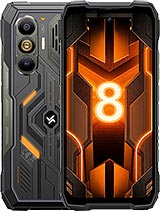
Pilot 8
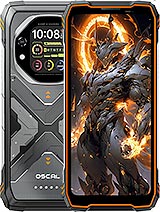
Tank 1
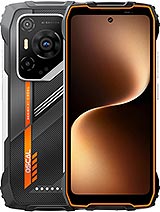
Pilot 1
Pilot 3

Galaxy A08 4G