Oscal Pilot 8 review
This phone suits workers in trades, inspection, utilities, and outdoor roles who need durability and long battery life over performance and speed. It is a tool, not a status symbol. Skip it if you game, demand fast charging, or expect a polished flagship experience.
This review is written with AI assistance from Oscal’s published specifications and public benchmark data for the Oscal Pilot 8, and the rating is spec-based. GoSolo does not physically test devices; where we estimate real-world behaviour such as battery life or charge time, we say so. How we rate phones.
Overview
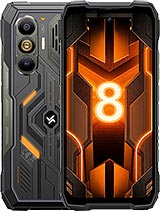
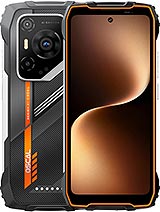
The Oscal Pilot 8 is a rugged phone built for work and outdoor use, with a big 10,200mAh battery, tough IP68/IP69K rating, and infrared/thermal cameras most phones lack. For under €300 at launch, it punches well above its price, though the Dragonwing chipset is solid midrange, not cutting-edge, and the display pixel density is stretched on a 6.83-inch screen.
Design & build
At 389g and 17.9mm thick, the Pilot 8 feels substantial and deliberately built, not light or thin. The IP68/IP69K rating and MIL-STD-810H durability mean it is genuinely rugged—immersible to 1.5 meters for 30 minutes and drop-resistant to 1.2 meters. This is not a phone that hides its purpose; the weight and footprint are honest trade-offs for durability and a huge battery. The frame and materials can handle job sites and rough conditions where a slimmer flagship would not last a week. For fieldwork, inspection, or outdoor trades, this design philosophy is correct.
Display
The 6.83-inch AMOLED is sharp in theory—447ppi on a 19.5:9 aspect ratio—but stretched and tall by design, which softens perceived sharpness in everyday use compared to a squarer flagship. The 120Hz refresh and 600 nits brightness are solid for 2026 midrange. AMOLED black levels and color saturation matter more here than pixel-peeping, and the screen handles outdoor visibility reasonably. The CSG KK9 glass (Mohs level 5) is tougher than typical phone glass, fitting the rugged brief.
Performance
The Qualcomm Dragonwing Q-6690 is a mainstream midrange chip for 2026, capable enough for daily work—web, messaging, calls, light multitasking, and typical apps run without strain. It is not a gaming phone or a content-creation machine. The 12GB or 16GB RAM variant ensures you can keep multiple apps alive without constant reloading. Real-world speed is competent, not rapid; video encoding, heavy photo processing, or high-refresh gaming will feel sluggish compared to a flagship. For a work phone that needs to be tough, not fast, this is fit-for-purpose.
Software
Android 16 with DokeOS 5.0 skin is the expected 2026 baseline. No detail on software support duration is given, which is a risk on a budget brand—find out the promise before buying. The OS layer itself should be stable out of the box, but long-term update track record is a legitimate question.
Camera
The 108MP main sensor with f/1.9 and PDAF is competent, not exceptional. Real-world phone photos are determined more by software tuning than sensor megapixels, and a midrange chip limits computational photography. The standout here is the 20MP night-vision camera with infrared lights and the thermal sensor (160×120, 25Hz). A thermal camera on a €290 phone is genuinely unusual—useful for inspectors, electricians, and maintenance work where detecting heat loss or faulty components matters. The selfie is 50MP, more than necessary but practical. Video tops at 4K30/60fps, which is standard. Night vision performance and thermal accuracy depend on real-world conditions; the spec sheet does not tell you if the thermal image is precise enough for serious diagnostics.
Battery & charging
The 10,200mAh battery is the phone's headline strength—a full two to three days of moderate work use is realistic, far more than a slim flagship. The spec sheet lists 55W charging, which is middling by 2026 standards; rivals are often faster. Full charge from zero is likely to take around 50–60 minutes, acceptable but not quick. For a work phone that lives in a toolbox or truck bed, a battery that genuinely lasts multiple days is more valuable than sub-30-minute charging.
Value & verdict
At roughly €290, the Pilot 8 targets a specific buyer: someone who needs a phone to work in harsh conditions, not a lifestyle device. The rugged build, thermal camera, infrared night vision, and multi-day battery are real differentiators. The midrange processor is honest about what it does—handle work tasks without fuss. Compared to a comparable flagship at twice the price, you lose raw speed and camera polish. Compared to other rugged phones in this range, the thermal and night-vision cameras are rare. The main question is software support; confirm Oscal's update timeline before committing. If you work outdoors, in utilities, construction, or inspection, or need a phone that survives neglect and abuse, this is the right choice. If you want gaming, fast charging, or flagship camera performance, look elsewhere.
Verdict
This phone suits workers in trades, inspection, utilities, and outdoor roles who need durability and long battery life over performance and speed. It is a tool, not a status symbol. Skip it if you game, demand fast charging, or expect a polished flagship experience.
- Thermal camera and infrared night vision—genuine tools for inspection and diagnostics, rare at this price
- 10,200mAh battery delivers two to three days of realistic use, a real advantage for fieldwork
- IP68/IP69K rating and MIL-STD-810H durability mean it survives where thinner phones fail
- Under €300 for a phone this rugged and battery-rich is solid value for the intended use case
- Midrange Dragonwing chipset handles work tasks but is not fast; no gaming, heavy editing, or rapid multitasking
- 55W charging is slow by 2026 midrange standards—expect 50–60 minutes to full charge
- Software support timeline is unclear; Oscal's track record on Android updates needs confirmation before purchase
Oscal Pilot 8 Key Specifications
The essentials at a glance. See the full spec sheet.
| Released | 2026, July 17 |
|---|---|
| Display | 6.83 inches, 114.5 cm2 (~75.1% screen-to-body ratio), AMOLED, 120Hz, 600 nits |
| Resolution | 1280 x 2772 pixels, 19.5:9 ratio (~447 ppi density) |
| Chipset | Qualcomm Dragonwing Q-6690 (4 nm) |
| RAM & storage | 256GB 12GB RAM, 512GB 16GB RAM |
| Main camera | 108 MP, f/1.9, (wide), 1/1.67", PDAF 20 MP, f/2.0, (night vision), 1/2.8", 2 infrared night vision lights Thermal, 160×120, 25Hz |
| Selfie camera | 50 MP, (wide), 1/2.76" |
| Battery | 10200 mAh |
| Software | Android 16, DokeOS 5.0 |
| Dimensions | 178.7 x 85.4 x 17.9 mm (7.04 x 3.36 x 0.70 in) |
| Weight | 389 g (13.72 oz) |
| Durability | IP68/IP69K dust tight and water resistant (high pressure water jets; immersible up to 1.5m for 30 min) Drop resistant up to 1.2m MIL-STD-810H compliant |
| Network | GSM / HSPA / LTE / 5G |
| NFC | Yes |
| USB | USB Type-C 3.0, OTG |
Oscal Pilot 8 FAQ
Common questions, answered from the spec sheet.
Does the Pilot 8 support 5G?
Yes. The Pilot 8 supports 5G networks.
What chipset does the Pilot 8 use?
The Pilot 8 runs on the Qualcomm Dragonwing Q-6690 (4 nm).
What display does the Pilot 8 have?
A 6.83 inches, 114.5 cm2 (~75.1% screen-to-body ratio) AMOLED, 120Hz, 600 nits, 1280 x 2772 pixels, 19.5:9 ratio (~447 ppi density).
How big is the Pilot 8 battery?
The Pilot 8 has a 10200 mAh battery.
Does the Pilot 8 have NFC?
Yes, the Pilot 8 has NFC.
Is the Pilot 8 water resistant?
The Pilot 8 carries a IP68/IP69K dust tight and water resistant (high pressure water jets; immersible up to 1.5m for 30 min) Drop resistant up to 1.2m MIL-STD-810H compliant rating.
Does the Pilot 8 support a microSD card?
Yes, the Pilot 8 supports expandable storage (microSDXC (uses shared SIM slot)).
Alternatives to consider
If the Pilot 8 isn’t quite right, these are the closest calls.
Pilot 6
Tank 1
Pilot 1
Pilot 3

nova 15 Max