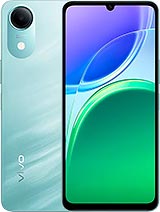
Oukitel C1 Pro review
This phone suits people in emerging markets who need a reliable, long-lasting dual-SIM device for calls and messages and have time to charge overnight. Anyone elsewhere, or anyone who streams, games, or takes photos regularly, should look at rivals offering faster charging, sharper screens, and more responsive chips—they cost only slightly more.
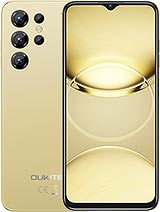
This review is based on Oukitel’s published specifications and public benchmark data for the Oukitel C1 Pro, and the rating is spec-based. GoSolo does not physically test devices; where we estimate real-world behaviour such as battery life or charge time, we say so. How we rate phones.
Overview
The C1 Pro is a basic budget Android phone built for long battery life and dual-SIM convenience in emerging markets, not speed or camera range. It delivers solid call and messaging endurance but trades almost everything else—screen clarity, performance, charging speed, and camera versatility—to keep the price low and battery real.
Design & build
The C1 Pro is trim at 9.2 mm and light enough at 199 grams, proportional for a 6.52-inch phone. The build details matter more here than raw aesthetic: a dual-SIM tray that also accepts a microSDXC card is pragmatic in markets where people juggle work and personal numbers and need storage that won't fill up in six months. Panda Glass at Mohs 5 is a budget compromise—it scratches easier than modern Gorilla Glass, so a case is more than cosmetic. The side-mounted fingerprint is actually an advantage at this tier: it unlocks even with a wet screen and avoids the smudging and wear an in-display sensor invites.
Display
This is where corners show most visibly. A 576 × 1280 LCD at 6.52 inches gives you only 215 pixels per inch, well below the 300+ ppi most people expect from a modern phone. Text reads softer, icons lack sharpness, and a side-by-side glance against almost any rival at this price will make the difference feel tangible. The 400 nits peak brightness is adequate indoors but won't compete in direct sunlight—squinting or tilting becomes routine in a bright room or outdoors. IPS chemistry keeps colours stable off-axis, which is something, but the spec as a whole serves basic messaging and calls more than it suits video or photo viewing.
Performance
The Unisoc T606 is entry-level silicon designed for voice, text, light browsing, and basic apps. It handles routine tasks smoothly: swiping between home screens, opening email or WhatsApp, navigating maps—no stuttering. But multitask beyond a few open tabs, and you will feel the 4GB RAM (and the weaker GPU) strain. Gaming anything heavier than a 2D puzzle is a non-starter; video editing or intensive apps will frustrate. Crucially, this is 2025: even budget rivals are shipping faster chips. The T606 will feel noticeably slower than phones at the same price from mainstream brands, a compromise Oukitel is making to hit a lower cost floor. It will not bottleneck your daily life if your life is calls, messages, and browsing, but do not expect headroom if your needs evolve.
Software
Android 15 fresh out of the factory is a genuine plus for an entry-level phone, a sign Oukitel is not dumping old stock. The software experience itself is likely clean and light—Oukitel phones typically come with minimal bloat—so you should see quick boot times and snappy app launches within the T606's natural limits. Security patches are the wildcard; Oukitel's track record on timely updates is mixed. One or two years of patches is realistic, not a full five-year plan.
Camera
The single 13 MP rear camera with f/2.2 aperture and autofocus captures acceptable daylight photos indoors and in bright conditions, assuming decent light. The LED flash and basic HDR help, but there is no telephoto to zoom in and no ultrawide for landscape or group shots—your framing options are narrow. Video tops out at 1080p 30fps, which is fine for social media clips but nothing more. The 5 MP selfie is purely functional. For a budget phone, the camera is honest about what it can do: it will not win a photo comparison, but it takes usable pictures of people and places in good light. In low light or if you take photos seriously, you will notice every limitation.
Battery & charging
The 5150 mAh battery is the C1 Pro's defining feature. In light use—calls, texts, Wi-Fi browsing—you can realistically reach 1.5 to 2 days before needing a charge. That is a major asset in parts of the world where power supply is inconsistent or where you move between locations and may not have access to a plug every evening. Heavy use (video streaming, gaming, constant screen time) collapses this to a single day, a normal trade-off. The bottleneck is charging: at 10W wired, a full refill takes about 2 to 2.5 hours. That is not just slow—it is a real inconvenience if you need the phone back in use quickly. Competitors at this price now offer 20W, 30W, or even 50W charging; 10W feels left behind.
Value & verdict-context
The C1 Pro is purpose-built for a specific user: someone in an emerging market who values battery life and cost over everything else, needs dual SIM for work and personal numbers, and does not demand fast charging or a bright, sharp screen. It is a phone you plug in overnight and use all day without panic, not one that does anything particularly well except last. At the January 2025 price point, it is competitive with other ultra-budget phones, but only if you prioritize endurance and simplicity. Shoppers in developed markets or anyone who streams video, plays games, or takes photos regularly will feel the limits immediately. The slow charger alone disqualifies it for people without predictable access to power.
Verdict
This phone suits people in emerging markets who need a reliable, long-lasting dual-SIM device for calls and messages and have time to charge overnight. Anyone elsewhere, or anyone who streams, games, or takes photos regularly, should look at rivals offering faster charging, sharper screens, and more responsive chips—they cost only slightly more.
- 5150 mAh battery delivers 1.5 to 2 days on light use, genuinely useful for people without reliable daily charging
- Dual SIM and microSDXC slot together (microSD shares the SIM tray but still fits) give real flexibility for multiple numbers and storage expansion
- Android 15 out of the box, a rare strength at this price point in early 2025
- Side-mounted fingerprint sensor avoids screen wear and works even with a wet or dusty display
- 10W charging is glacially slow—expect 2 to 2.5 hours for a full charge, and competitors in this class now push 20W or 30W
- 576p display at 6.52 inches means text and icons look noticeably soft compared to any 1080p phone, and 400 nits brightness struggles in daylight
- Unisoc T606 handles basic tasks but falters under multitasking, streaming, or any game heavier than 2D—limited room to grow into more demanding apps
Oukitel C1 Pro Key Specifications
The essentials at a glance. See the full spec sheet.
| Released | 2025, January |
|---|---|
| Display | 6.52 inches, 102.6 cm2 (~83.1% screen-to-body ratio), IPS LCD, 400 nits |
| Resolution | 576 x 1280 pixels, 20:9 ratio (~215 ppi density) |
| Chipset | Unisoc T606 (12 nm) |
| RAM & storage | 256GB 4GB RAM |
| Main camera | 13 MP, f/2.2, (wide), 1/3.06", AF |
| Selfie camera | 5 MP, f/2.2, (wide), 1/5.0" |
| Battery | 5150 mAh |
| Charging | 10W wired |
| Software | Android 15 |
| Dimensions | 163.8 x 75.4 x 9.2 mm (6.45 x 2.97 x 0.36 in) |
| Weight | 199 g (7.02 oz) |
| Network | GSM / HSPA / LTE |
| NFC | No |
| USB | USB Type-C |
Oukitel C1 Pro FAQ
Common questions, answered from the spec sheet.
Does the C1 Pro support 5G?
No. The C1 Pro tops out at GSM / HSPA / LTE, without 5G.
What chipset does the C1 Pro use?
The C1 Pro runs on the Unisoc T606 (12 nm).
What display does the C1 Pro have?
A 6.52 inches, 102.6 cm2 (~83.1% screen-to-body ratio) IPS LCD, 400 nits, 576 x 1280 pixels, 20:9 ratio (~215 ppi density).
How big is the C1 Pro battery?
The C1 Pro has a 5150 mAh battery. Charging is rated at 10W wired.
Does the C1 Pro have NFC?
No, the C1 Pro does not list NFC support.
Does the C1 Pro support a microSD card?
Yes, the C1 Pro supports expandable storage (microSDXC (uses shared SIM slot)).
Does the C1 Pro have a headphone jack?
Yes, the C1 Pro has a 3.5mm headphone jack.
Alternatives to consider
If the C1 Pro isn’t quite right, these are the closest calls.
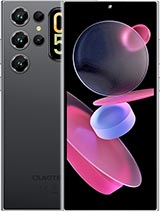
C62 Pro
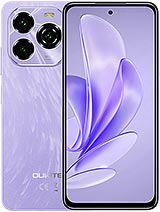
C65 Pro
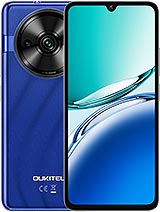
C59
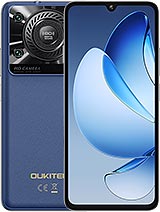
C60
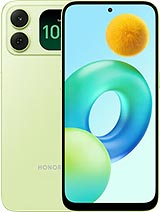
X5d s