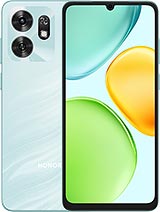
Oukitel C57s review
Suits people in emerging markets who prioritize battery life, dual SIM, expandable storage, and rock-solid calling over speed or camera finesse. Anyone who juggles apps, plays games, or edits photos should spend €30 to €50 more for a last-generation mid-range phone instead.
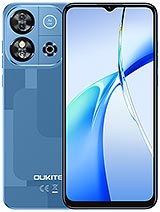
This review is based on Oukitel’s published specifications and public benchmark data for the Oukitel C57s, and the rating is spec-based. GoSolo does not physically test devices; where we estimate real-world behaviour such as battery life or charge time, we say so. How we rate phones.
Overview
The Oukitel C57s is a no-frills 2024 budget phone built for calling, messages, and light web use—not speed or camera quality. At around €110, it delivers the essentials: solid battery life, a usable screen, and a microSD slot, but the Unisoc chipset and 2GB RAM make multitasking slow and apps demanding.
Design & build
The C57s is slim and light for its 6.52-inch screen—9.4mm thick and 215g—making it comfortable to carry and hold for long calls. The Gorilla Glass 5 front and dual nano-SIM slots suggest durability and travel flexibility. It's not striking to look at and neither the materials nor the industrial design stand out, but there is nothing to fault on practicality. For a phone this cheap, the build feels adequate rather than bargain-basement.
Display
The 6.52-inch IPS LCD screen runs 576 × 1280 pixels at 215 ppi—low by modern standards, and noticeably pixelated compared to anything from a year ago. Text and icons read as chunky, though readability at arm's length is fine for messages and web browsing. The 400-nit brightness handles indoor use and partial sunlight, but direct glare will force you to squint. For the price, a larger, lower-res screen is a reasonable trade-off over a tiny sharp one, and the 80.8% screen-to-body ratio is decent.
Performance
The Unisoc SC9863A paired with 2GB RAM is entry-level, even for budget phones in 2024. Calling, messages, email, and basic web browsing are stable; open more than a couple of apps, or launch anything with animation or graphics, and you will feel lag and stutter. Heavy social media feeds scroll visibly slower, and anything game-adjacent is off the table. This is not a phone for switching between tasks; it is built for people who do one thing at a time. Android 14 Go edition strips down system bloat to help, but the hardware ceiling is real. If you need speed, save more money or buy last year's mid-range phone.
Software
Android 14 Go edition is a lean version of Android designed for low-spec devices, cutting background services and limiting app complexity to preserve battery and RAM. Updates are unclear from the spec sheet, but Oukitel's track record suggests infrequent patches—a real concern for security on a budget device. The OS is usable and responsive within its limits, but do not expect long-term software support. If security updates matter to you, this is a risk.
Camera
The 13MP rear camera with f/2.2 aperture and autofocus is functional in daylight: wide scenes look sharp, colors are acceptable, and the 1/3.06" sensor captures enough light for midday shots. Indoors and at dusk, images turn soft and grainy quickly. The 5MP selfie camera is bare-minimum for video calls. Video maxes out at 1080p 30fps, which is fine for social media but dated. This is a document scanner and daylight snapshot camera, not a photo tool. Night mode is absent, zoom is digital-only, and there is no ultrawide or depth sensor. For the price, the rear camera does its job; it does not do much else.
Battery & charging
The 4300mAh battery will deliver about one full day of moderate use (calls, email, light browsing). Heavy video or gaming burns it by afternoon, but the Go edition's power efficiency helps stretch active time. No charging wattage is listed, which is typical for budget phones—expect slow, probably 5W or 10W charging. The lack of detail suggests Oukitel does not want to highlight weakness here. For users who charge overnight, the battery life is acceptable; for anyone chasing fast top-ups, this will feel sluggish.
Value & verdict-context
At €110, the C57s undercuts most competition by a wide margin and includes a microSD slot—increasingly rare at this price. You get functional calling, SMS, email, light apps, and real battery life. What you sacrifice is any speed, modern camera capability, or screen sharpness. This is not a phone for scrolling Instagram for hours or editing photos; it is for people in emerging markets who prioritize reliability, expandable storage, and long battery life over framerate and megapixels. The Android 14 Go edition is a sensible choice for the chipset, but sparse security support and zero promise of future updates are concerns. Competing devices at this price often bring faster chips or better cameras, but few offer the same combination of thinness, dual SIM, and microSD expansion.
Verdict
Suits people in emerging markets who prioritize battery life, dual SIM, expandable storage, and rock-solid calling over speed or camera finesse. Anyone who juggles apps, plays games, or edits photos should spend €30 to €50 more for a last-generation mid-range phone instead.
- Slim and light design (9.4mm, 215g) with Gorilla Glass 5 and dual nano-SIM for travel
- Dedicated microSDXC slot for expandable storage, increasingly rare at this price
- About one full day of battery life on moderate use, thanks to Android 14 Go efficiency
- Honest value: €110 for a working phone with calling, email, and web browsing without pretense
- 2GB RAM and Unisoc SC9863A create real lag in any multitasking or app-heavy use; not a phone for switching tasks
- 576 × 1280 screen is notably fuzzy by 2024 standards; text and icons feel oversized and pixelated
- Sparse security support and unclear update path on Android 14 Go; budget brand Oukitel rarely commits to timely patches
Oukitel C57s Key Specifications
The essentials at a glance. See the full spec sheet.
| Released | 2024, October |
|---|---|
| Display | 6.52 inches, 102.6 cm2 (~80.8% screen-to-body ratio), IPS LCD, 400 nits |
| Resolution | 576 x 1280 pixels, 20:9 ratio (~215 ppi density) |
| Chipset | Unisoc SC9863A (28 nm) |
| RAM & storage | 64GB 2GB RAM |
| Main camera | 13 MP, f/2.2, (wide), 1/3.06", AF |
| Selfie camera | 5 MP, f/2.2, (wide), 1/5.0" |
| Battery | 4300 mAh |
| Software | Android 14 (Go edition) |
| Dimensions | 165.8 x 76.6 x 9.4 mm (6.53 x 3.02 x 0.37 in) |
| Weight | 215 g (7.58 oz) |
| Network | GSM / HSPA / LTE |
| NFC | No |
| USB | USB Type-C 2.0, OTG |
Oukitel C57s FAQ
Common questions, answered from the spec sheet.
Does the C57s support 5G?
No. The C57s tops out at GSM / HSPA / LTE, without 5G.
What chipset does the C57s use?
The C57s runs on the Unisoc SC9863A (28 nm).
What display does the C57s have?
A 6.52 inches, 102.6 cm2 (~80.8% screen-to-body ratio) IPS LCD, 400 nits, 576 x 1280 pixels, 20:9 ratio (~215 ppi density).
How big is the C57s battery?
The C57s has a 4300 mAh battery.
Does the C57s have NFC?
No, the C57s does not list NFC support.
Does the C57s support a microSD card?
Yes, the C57s supports expandable storage (microSDXC (dedicated slot)).
Does the C57s have a headphone jack?
Yes, the C57s has a 3.5mm headphone jack.
Alternatives to consider
If the C57s isn’t quite right, these are the closest calls.
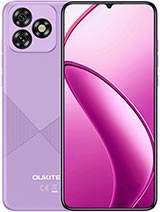
C53
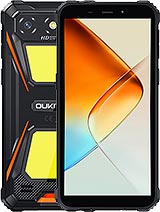
G5 S
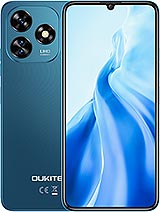
C51
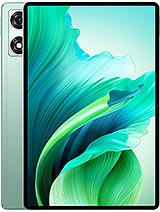
OT8
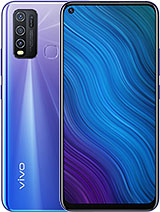
Y50 5G