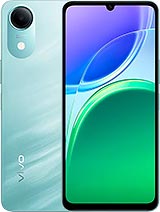
Oukitel C7 review
The C7 suits someone who needs reliable battery life and simple calling, messaging, and light browsing in a market where 4G is still patchy or unavailable. Anyone shopping in a place with mature 4G or 5G coverage, or who uses their phone for anything beyond basics, will find the low resolution and sluggish processor frustrating very quickly.
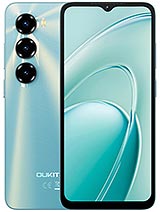
This review is written with AI assistance from Oukitel’s published specifications and public benchmark data for the Oukitel C7, and the rating is spec-based. GoSolo does not physically test devices; where we estimate real-world behaviour such as battery life or charge time, we say so. How we rate phones.
Overview
The Oukitel C7 is a 2025 budget phone with a 5000 mAh battery and 6.52-inch display, running Android 16 on an entry-level Unisoc chip. It is a honest ultra-budget device that delivers basic calling and messaging, but the 202 ppi screen and lack of 4G in many markets make it a tough sell even at this price tier.
Design & build
The C7 is a straightforward slab measuring 164 x 75.8 x 8.6 mm. The 8.6 mm thickness is unremarkable for 2025, neither particularly slim nor chunky. The Mohs level 5 glass on the display is a minor touch—it will scratch with normal pocket keys but offers some basic resilience. Four color options (gold, purple, blue, gray) exist, but without a weight figure in the spec sheet, it is difficult to judge heft or hand feel. The design brief is simplicity, and it delivers that without pretense.
Display
The 6.52-inch IPS LCD is generous in screen real estate, but the 540 x 1200 resolution works out to only 202 ppi—a significant step down from even mid-range phones today. That means text, icons, and app interfaces show visible pixelation at normal arm's length viewing. The 450 nits brightness helps outdoors on overcast days but will wash out in direct sunlight. The 20:9 aspect ratio is modern enough, and the 82.6% screen-to-body ratio is respectable for this class. Fundamentally, this is a display for people who prioritize a large screen and battery life over sharpness.
Performance
The Unisoc SC9863A is an eight-core chip from 2024 and belongs squarely in the entry tier. Calling, messaging, social media scrolling, and basic web browsing will work without obvious lag. Anything heavier—mobile games with any graphical demand, video editing, or running multiple apps in succession—will expose the chip's limits; you will see stuttering and slowdowns. The 3 GB of RAM is tight by 2025 standards; expect app refresh rates to be higher than on phones with 6 GB or more. This is not a phone for someone who multitasks heavily or dabbles in mobile gaming. It does what it promises: the basics, without much margin.
Software
Android 16 is current and means you will receive at least a couple of years of security patches. Oukitel's track record on timely updates is middling; budget phone makers often deprioritize newer devices once the next model launches. Out of the box, expect a light skin over stock Android with a few bloat apps, though nothing egregious. The OS itself will run fine on this hardware for the first year or two, but as Google's OS gets heavier with each release, slowdown over time is predictable.
Camera
The rear 13 MP sensor with an f/1.8 aperture (implied by the spec listing auxiliary lens) shoots 1080p video at 30 fps. In daylight with stable hands, detail and color are acceptable, though not impressive. The 5 MP selfie camera is purely functional—adequate for video calls and casual social media posts, nothing more. LED flash and HDR are present but will not rescue low-light shots. This is a camera that does the job on a sunny day and becomes unreliable after dark. For a budget phone, it is in line with what rivals offer, but do not expect to replace a real camera or even a mid-range phone's imaging.
Battery & charging
The 5000 mAh cell is the C7's strongest suit. Light use—mostly calls, texts, and casual browsing—will push it to a comfortable second day. Moderate use with video streaming and social media should yield a full day, though not with much margin. The spec sheet lists charging as 10W, which is slow by current standards; rivals at this price now hit 30W to 65W. A full charge from zero will take roughly three hours, an inconvenience if you run dry during the day. The large battery compensates somewhat for inefficient charging, but only by making you wait longer to refill.
Connectivity & value
The phone supports LTE with a good selection of bands (1–41, skipping nothing critical), but—and this is a big caveat—the spec sheet does not mention 5G. In 2025, that omission in any market rolling out 5G makes this phone feel like a 2021 device wearing new clothes. Dual-band Wi-Fi 802.11n and dual SIM are both useful for the intended buyer. FM radio is an unexpected bonus in an era where it has vanished from most flagships; that may matter in markets where FM is still common or in areas with poor internet. At this price tier in mid-2025, the C7 is honest about what it does and does not do. It does not compete on specs or performance, only on battery life and the simplicity of a phone that will not frustrate you with lag or force you to charge twice daily. For someone in a market where 4G is still rolling out, or who genuinely needs a phone only for calls, texts, and occasional light browsing, and who can tolerate a low-resolution screen, it makes sense. For anyone else, the gap between this and a phone with 90 Hz refresh, a sharper display, and a modern processor is worth closing.
Verdict
The C7 suits someone who needs reliable battery life and simple calling, messaging, and light browsing in a market where 4G is still patchy or unavailable. Anyone shopping in a place with mature 4G or 5G coverage, or who uses their phone for anything beyond basics, will find the low resolution and sluggish processor frustrating very quickly.
- 5000 mAh battery will comfortably outlast a day of light use without a charge
- Dual SIM and microSD expansion (shared slot) offer useful flexibility for users with multiple carriers or regional needs
- FM radio and dual-band Wi-Fi are genuine extras at this price point, not seen on many modern budget phones
- 540 x 1200 resolution is visibly pixelated on a 6.52-inch screen (202 ppi) — text and icons lack crispness even for basic tasks
- Unisoc SC9863A struggles with anything beyond light browsing and messaging; heavier apps and games will stutter
- LTE support with basic 4G bands, but notably missing 5G; in markets rolling out 5G, this phone feels dated immediately
Oukitel C7 Key Specifications
The essentials at a glance. See the full spec sheet.
| Released | 2025, July |
|---|---|
| Display | 6.52 inches, 102.6 cm2 (~82.6% screen-to-body ratio), IPS LCD, 450 nits |
| Resolution | 540 x 1200 pixels, 20:9 ratio (~202 ppi density) |
| Chipset | Unisoc SC9863A (28 nm) |
| RAM & storage | 64GB 3GB RAM, 128GB 3GB RAM, 256GB 3GB RAM |
| Main camera | 13 MP Auxiliary lens |
| Selfie camera | 5 MP |
| Battery | 5000 mAh |
| Software | Android 16 |
| Dimensions | 164 x 75.8 x 8.6 mm (6.46 x 2.98 x 0.34 in) |
| Network | GSM / HSPA / LTE |
| NFC | No |
| USB | USB Type-C |
Oukitel C7 FAQ
Common questions, answered from the spec sheet.
Does the C7 support 5G?
No. The C7 tops out at GSM / HSPA / LTE, without 5G.
What chipset does the C7 use?
The C7 runs on the Unisoc SC9863A (28 nm).
What display does the C7 have?
A 6.52 inches, 102.6 cm2 (~82.6% screen-to-body ratio) IPS LCD, 450 nits, 540 x 1200 pixels, 20:9 ratio (~202 ppi density).
How big is the C7 battery?
The C7 has a 5000 mAh battery.
Does the C7 have NFC?
No, the C7 does not list NFC support.
Does the C7 support a microSD card?
Yes, the C7 supports expandable storage (microSDXC (uses shared SIM slot)).
Alternatives to consider
If the C7 isn’t quite right, these are the closest calls.
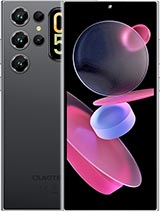
C62 Pro
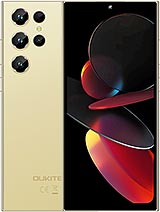
C61
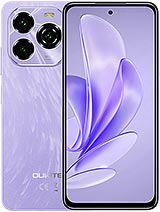
C65 Pro
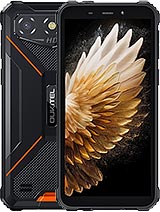
G3
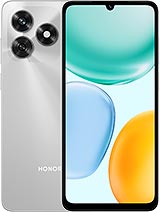
Play 70C