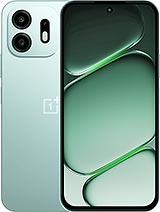
Realme Narzo 100 Lite review
This phone is built for buyers in markets with power constraints or long stretches between charges, and for those who value toughness and all-day battery over performance or camera skill. Anyone expecting fast charging, sharp text, or gaming chops should look at the Poco M8 or Redmi 14 instead.

This review is written with AI assistance from Realme’s published specifications and public benchmark data for the Realme Narzo 100 Lite, and the rating is spec-based. GoSolo does not physically test devices; where we estimate real-world behaviour such as battery life or charge time, we say so. How we rate phones.
Overview
The Narzo 100 Lite is a 7000 mAh budget workhorse that prioritises battery stamina and a large screen over raw power, with the Dimensity 6300 handling everyday tasks but not gaming or heavy multitasking. At ₹15,499, it is built for buyers who value all-day endurance and ruggedness (IP64) over performance or camera quality, and it delivers reasonably on those terms.
Design & build
At 212 g and 8.4 mm thick with a glass front, plastic frame and back, the Narzo 100 Lite feels chunky but durable. The weight is noticeable—it sits between a typical midrange phone and an older phablet—but the heft is partly the price of the large 7000 mAh battery. IP64 rating with MIL-STD-810H compliance is a genuine perk for this price; dust ingress resistance and water splash protection mean the phone can survive casual abuse that would leave a flagship in bits. The side-mounted fingerprint sensor is responsive, and the dual SIM (nano) setup is practical, though the microSDXC slot shares the SIM tray, which is a minor inconvenience. Build quality feels adequate rather than impressive; plastic backs are prone to marks, but they are also less fragile than glass.
Display
The 6.8-inch IPS LCD is both a strength and a weakness. At 144Hz refresh, scrolling is smooth, and at 900 nits peak brightness, outdoor visibility is solid. But the 720 x 1570 resolution (254 ppi) is where the value comes at a cost. On a screen this large, 254 ppi makes text and UI elements visibly soft compared to rivals that have settled on 1080p even in the budget tier. Static images look acceptable; reading text or spreadsheets over time reveals the limitation. The 87% screen-to-body ratio is respectable, and Panda Glass is a practical choice rather than a luxury one. For web browsing and video at this price, it is adequate; for long reading sessions, the low resolution will frustrate some users.
Performance
The Mediatek Dimensity 6300 is entry-level midrange silicon. In real use, it handles WhatsApp, emails, light browsing, and streaming without hiccups, and 5G connectivity is live if your region supports it. The GPU is not built for gaming; newer titles demand frame rate compromises or visual settings below what a Dimensity 6080 or Snapdragon 4 Gen 2 would offer. The base 4GB RAM model will feel cramped in 2026; multitasking beyond three or four apps triggers visible lag, and background app refreshes get killed to free memory. The 6GB variant is the sensible buy, though even then sustained CPU loads—rendering large documents, editing video—expose the chip's modest performance window. This is a phone for calls, messages, and browsing, not for power users or mobile gamers.
Software
Android 16 with Realme UI 7.0 is the latest available pairing, and Realme's overlay is lighter than it used to be. Updates should flow regularly given this is a fresh 2026 launch, but Realme's track record of long-term software support for budget models is patchy; expect three years of major OS releases and four of security patches at best. UI is intuitive and mostly clutter-free, though some pre-installed apps remain. The fingerprint sensor is quick and reliable. Performance within the OS is smooth given the midrange chip, but opening heavy apps still involves a visible pause.
Camera
The 13 MP main camera with f/2.2 aperture and autofocus is the minimum viable setup in 2026. In daylight, it captures acceptable detail for social posts, but the lack of zoom, macro, or ultrawide severely limits versatility. Low light reveals the aperture bottleneck; shadow areas lack detail and noise creeps in earlier than on phones with f/1.8 lenses. The 5 MP selfie is grainy and suitable only for calls and basic portraits. Video tops out at 1080p@30fps, which is standard for the budget tier but unremarkable. There is no slow-motion or stabilization to speak of. For a user who takes the odd photo for WhatsApp, it passes; anyone who cares about photography should look elsewhere.
Battery & charging
The 7000 mAh battery is the phone's headline feature. With the Dimensity 6300's modest power draw, real-world endurance easily stretches to a full day of moderate to heavy use, and light users should see two days without strain. This is rare in 2026 and a genuine asset in regions where charging infrastructure is inconsistent. The catch is charging speed. The spec sheet lists 15W, which is slow by modern standards; expect about 2 hours to full charge from flat. The large battery also contributes to the phone's weight and thickness, which some will see as a worthwhile trade and others as a burden.
Value & verdict-context
At ₹15,499, the Narzo 100 Lite is positioned as a no-nonsense budget workhorse. It does not chase performance or camera quality; it optimizes for battery life, ruggedness, and a large screen. The resolution compromise on the display, the basic camera, and the modest chip are honest trade-offs, not hidden gotchas. For a first-time or secondary phone buyer in markets where a charge might come only once or twice a day, the value is genuine. For those who game, edit content, or demand sharp text, the weaknesses will be felt daily. The 6GB RAM variant at 128GB is the sensible pick to mitigate multitasking friction. Rivals at this price tier—the Poco M8 or Redmi 14—offer better resolution, but fewer of them match the battery endurance or durability rating.
Verdict
This phone is built for buyers in markets with power constraints or long stretches between charges, and for those who value toughness and all-day battery over performance or camera skill. Anyone expecting fast charging, sharp text, or gaming chops should look at the Poco M8 or Redmi 14 instead.
- 7000 mAh battery and efficient chipset combo should yield two full days of moderate use, a real advantage in markets with unreliable charging.
- 144Hz IPS display at 254 ppi is sharp enough and the 900 nits brightness handles daylight reading without strain.
- IP64 rating with MIL-STD-810H compliance and plastic build mean accidental drops and splashes are less catastrophic than on glass flagships.
- 5G support, dual SIM, and microSDXC expansion for ₹15,499 means you are not hitting a wall if you want future-proofing on basics.
- 720p resolution on a 6.8-inch screen means text and icons sit at 254 ppi, noticeably soft compared to peers that have moved to 1080p at this size.
- 13 MP main camera with f/2.2 aperture and no zoom or macro mode is clearly a budget compromise; low light and detail will disappoint.
- Mediatek Dimensity 6300 struggles with sustained workloads and newer games, and at 4GB RAM base, multitasking and app switching feel sluggish after heavy use.
Realme Narzo 100 Lite Key Specifications
The essentials at a glance. See the full spec sheet.
| Released | 2026, April 14 |
|---|---|
| Display | 6.8 inches, 113.0 cm2 (~87.0% screen-to-body ratio), IPS LCD, 144Hz, 900 nits (HBM) |
| Resolution | 720 x 1570 pixels, 19.5:9 ratio (~254 ppi density) |
| Chipset | Mediatek Dimensity 6300 (6 nm) |
| RAM & storage | 64GB 4GB RAM, 128GB 4GB RAM, 128GB 6GB RAM |
| Main camera | 13 MP, f/2.2, (wide), AF |
| Selfie camera | 5 MP, f/2.2, (wide) |
| Battery | 7000 mAh |
| Software | Android 16, Realme UI 7.0 |
| Dimensions | 166.3 x 78.1 x 8.4 mm (6.55 x 3.07 x 0.33 in) |
| Weight | 212 g (7.48 oz) |
| Build | Glass front, plastic frame, plastic back |
| Durability | IP64 dust tight and water resistant (water splashes) MIL-STD-810H compliant* * does not guarantee ruggedness or use in extreme conditions |
| Network | GSM / HSPA / LTE / 5G |
| NFC | No |
| USB | USB Type-C 2.0, OTG |
Realme Narzo 100 Lite FAQ
Common questions, answered from the spec sheet.
Does the Narzo 100 Lite support 5G?
Yes. The Narzo 100 Lite supports 5G networks.
What chipset does the Narzo 100 Lite use?
The Narzo 100 Lite runs on the Mediatek Dimensity 6300 (6 nm).
What display does the Narzo 100 Lite have?
A 6.8 inches, 113.0 cm2 (~87.0% screen-to-body ratio) IPS LCD, 144Hz, 900 nits (HBM), 720 x 1570 pixels, 19.5:9 ratio (~254 ppi density).
How big is the Narzo 100 Lite battery?
The Narzo 100 Lite has a 7000 mAh battery.
Does the Narzo 100 Lite have NFC?
No, the Narzo 100 Lite does not list NFC support.
Is the Narzo 100 Lite water resistant?
The Narzo 100 Lite carries a IP64 dust tight and water resistant (water splashes) MIL-STD-810H compliant* * does not guarantee ruggedness or use in extreme conditions rating.
Does the Narzo 100 Lite support a microSD card?
Yes, the Narzo 100 Lite supports expandable storage (microSDXC (uses shared SIM slot)).
Alternatives to consider
If the Narzo 100 Lite isn’t quite right, these are the closest calls.

P4 Lite

Narzo 100x

Narzo 80 Lite 5G
P4 Lite 4G
Galaxy M17e