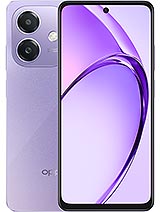
Samsung A2 review
This phone is a curiosity now, not a recommendation. If you stumbled across one for pocket change and needed a secondary handset for calls only, it would work for a few weeks. Everyone else should look at a used budget phone from 2021 or later—you will get more RAM, a sharper screen, and security patches that actually matter.
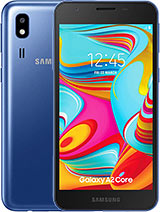
This review is based on Samsung’s published specifications and public benchmark data for the Samsung A2, and the rating is spec-based. GoSolo does not physically test devices; where we estimate real-world behaviour such as battery life or charge time, we say so. How we rate phones.
Overview
The Samsung Galaxy A2 Core is a 2019 budget phone with a 5-inch 540p display, 1GB RAM, and a 2600 mAh battery—pure entry-level in every dimension. It delivers what you'd expect for under €120: basic calling and messaging, light apps, nothing more, and nothing worth buying in 2026 unless you need a disposable second phone or find one used for pennies.
Design & build
At 142 grams and 9.1 mm thick, this is genuinely pocketable and light, which matters when you've grown tired of devices that require a cargo pocket to carry. The glass front and plastic back feel exactly as cheap as the price suggests, but plastic does not break as easily as glass, and the phone is actually rated IP54 for dust and splashes. That rating is not watertight, but it covers rain and accidental spills—a feature rarely seen on phones this cheap, then or now. Build quality is utilitarian; nothing feels premium, nothing feels fragile. For a €120 phone in 2019, this was honest design.
Display
The 5-inch PLS LCD screen runs 540 x 960 pixels, which puts pixel density at 220 ppi. That is visibly coarse by modern standards and was already dated in 2019. Text is grainy, photographs look soft, and scrolling is functional but not smooth—there is no high refresh rate to mask the low resolution. The screen is dim indoors and dimmer outdoors. If you have spent time with any mainstream phone from the last five years, dropping back to this display feels like watching a low-bitrate video. For basic SMS and calls, it works; for anything else, it grates.
Performance
The Exynos 7870 is a 2016-generation processor paired with just 1GB of RAM. That combination was already entry-level in 2019 and is now firmly obsolete. Opening a second app while one is running causes visible lag, and switching between tasks stutters. Android 8.0 (Go edition) is a cut-down version of Android designed for extremely low-spec hardware, and it shows: the system runs, but it does not run smoothly. Even casual games and social-media apps will slow. This is a phone for voice calls, SMS, and simple web browsing on 2G connections. Everything else is a compromise.
Software & updates
Android 8.0 Oreo was released in 2017, and this phone launched in 2019 with that version already old. Samsung discontinued this device immediately, so security patches and OS updates stopped years ago. Using this phone today is a security liability. The Go edition does save RAM, but it also locks you into a walled-off Play Store with restricted app choices. If you found this phone used in 2026, you are running unpatched code on a network that expects current Android versions.
Camera
Both the 5MP main camera and 5MP selfie shoot at f/1.9 and f/2.2 respectively, which sounds respectable until you realize 5MP is barely enough for a usable print. Photos in daylight are soft and lack detail; low-light shots are muddy. Video maxes out at 1080p@30fps, which is functional but not smooth. For a 2019 budget phone, this was acceptable; in 2026, it is strictly emergency-only photography. The LED flash helps indoors but produces harsh, flat lighting.
Battery & charging
A 2600 mAh battery sounds tiny by modern standards—today's budget phones carry 5000 mAh or more. Real-world longevity is roughly half a day of mixed use, or about six to eight hours of continuous screen time. The 33W charger hits 51 percent in 30 minutes, which is decent for 2019, meaning a full charge takes about an hour from empty. The fast-charging spec is wasted on such a small tank; the battery will never deliver a full day of heavy use, and the charging speed becomes irrelevant if you are only running out of power by evening anyway.
Value & verdict
In 2019, the Galaxy A2 Core made sense as a no-compromise budget phone for markets where €120 was a full-price budget. It did basic things adequately and skipped nothing essential: it had a 3.5mm jack, a dedicated SD card slot, and an IP rating. In 2026, however, this phone is a relic. The 1GB RAM, 540p display, and unpatched Android 8.0 make it unsuitable for modern use. A used Galaxy A2 might appear cheap, but it costs nothing if the security patches alone keep it off any network you care about. Avoid unless you need a disposable second handset for emergencies, and even then, a used mid-range phone from 2021 or 2022 is a safer bet.
Verdict
This phone is a curiosity now, not a recommendation. If you stumbled across one for pocket change and needed a secondary handset for calls only, it would work for a few weeks. Everyone else should look at a used budget phone from 2021 or later—you will get more RAM, a sharper screen, and security patches that actually matter.
- Genuinely compact at 142g and 5.0 inches, easy one-handed use and pockets actually hold it
- Dedicated microSDXC slot means you can expand storage without sacrificing a SIM
- 3.5mm jack and FM radio, rare in modern phones, matter if your region relies on these
- IP54 dust and splash resistance on a €120 phone is a rarity that covers rain and spills
- 1GB RAM and Android 8.0 (Go edition) mean even light multitasking stutters; updates stopped years ago
- 540p on a 5-inch screen at 220 ppi is visibly pixelated, making text and photos look rough
- 2600 mAh battery drains quickly under any real use; real-world longevity closer to half a day than a full day
Samsung A2 Key Specifications
The essentials at a glance. See the full spec sheet.
| Released | 2019, April. Released 2019, April |
|---|---|
| Display | 5.0 inches, 68.9 cm2 (~68.6% screen-to-body ratio), PLS LCD |
| Resolution | 540 x 960 pixels, 16:9 ratio (~220 ppi density) |
| Chipset | Exynos 7870 Octa (14 nm) |
| RAM & storage | 8GB 1GB RAM, 16GB 1GB RAM |
| Main camera | 5 MP, f/1.9, AF |
| Selfie camera | 5 MP, f/2.2 |
| Battery | 2600 mAh |
| Charging | 33W wired, 51% in 30 min |
| Software | Android 8.0 Oreo (Go edition) |
| Dimensions | 141.6 x 71 x 9.1 mm (5.57 x 2.80 x 0.36 in) |
| Weight | 142 g (5.01 oz) |
| Build | Glass front, plastic back, plastic frame |
| Durability | IP54 dust protected and water resistant (water splashes) |
| Network | GSM / HSPA / LTE |
| NFC | No |
| USB | microUSB 2.0, OTG |
Samsung A2 FAQ
Common questions, answered from the spec sheet.
Does the A2 support 5G?
Yes. The A2 supports 5G networks.
What chipset does the A2 use?
The A2 runs on the Exynos 7870 Octa (14 nm).
What display does the A2 have?
A 5.0 inches, 68.9 cm2 (~68.6% screen-to-body ratio) PLS LCD, 540 x 960 pixels, 16:9 ratio (~220 ppi density).
How big is the A2 battery?
The A2 has a 2600 mAh battery. Charging is rated at 33W wired, 51% in 30 min.
Does the A2 have NFC?
No, the A2 does not list NFC support.
Is the A2 water resistant?
The A2 carries a IP54 dust protected and water resistant (water splashes) rating.
Does the A2 support a microSD card?
Yes, the A2 supports expandable storage (microSDXC (dedicated slot)).
Does the A2 have a headphone jack?
Yes, the A2 has a 3.5mm headphone jack.
Alternatives to consider
If the A2 isn’t quite right, these are the closest calls.
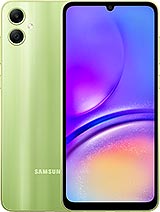
Galaxy A05
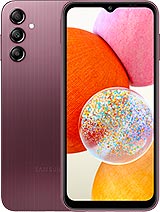
Galaxy A14
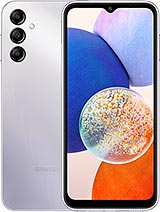
Galaxy A14 5G
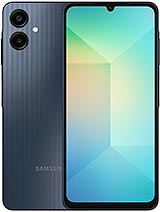
Galaxy A06
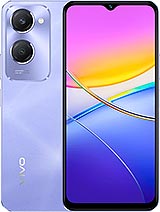
Y37 5G