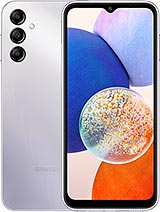
Samsung Galaxy A14 5G review
This phone fits users who value battery life and a large smooth screen over raw speed, and who live in regions with reliable 5G coverage. Anyone who games regularly or relies on fast charging should look elsewhere.
This review is based on Samsung’s published specifications and public benchmark data for the Samsung Galaxy A14 5G, and the rating is spec-based. GoSolo does not physically test devices; where we estimate real-world behaviour such as battery life or charge time, we say so. How we rate phones.
Overview
The Galaxy A14 5G is a straightforward budget phone that delivers a large, 90Hz screen and a day-plus battery life for under $100. The Exynos 1330 stumbles with demanding apps and games, and 15W charging is slow, but for light users who value battery endurance and 5G in a basic package, it fits the bill.
Design & build
At 202g and 9.1mm thick, the A14 5G feels compact and unremarkable—which is fine for a budget phone. Glass front and plastic back is the standard formula at this price, and it does the job without fuss. The 6.6-inch frame means it's a bit tall and wide to hold comfortably in one hand, but not unwieldy. The side-mounted fingerprint sensor is placed well and works reliably. Overall, it's a phone designed to do the minimum required to not feel cheap, and it succeeds quietly.
Display
The 6.6-inch, 1080p PLS LCD with 90Hz refresh rate is the A14's strongest feature. At 400ppi density, the pixel density is fine for this size; text is sharp and scrolling through social feeds or browsing is noticeably smoother than the 60Hz panels you'd find on cheaper rivals. PLS LCD isn't as vibrant as AMOLED, but it's practical and power-efficient—a reasonable trade-off at this price. One caveat: the spec sheet omits brightness figures, so sunlight legibility is a question mark, though Samsung's budget panels are generally competent outdoors.
Performance
The Exynos 1330 (5nm) is a mainstream midrange chipset, and it shows. Everyday tasks—messaging, email, light social media, YouTube—run smoothly thanks to One UI Core 7's optimisation. Multitasking is workable on the 6GB or 8GB variants, but the 4GB base model feels tight. Gaming is a weak point. Light titles like Among Us or Candy Crush will play fine, but anything demanding (PUBG, Genshin Impact) will force you to low settings and lower frame rates. For casual users who don't game, this is adequate; for anyone else, you'll notice the ceiling quickly.
Software
Android 13 out of the box, with an upgrade path to Android 15 and One UI Core 7, is a modest but welcome boost for longevity. Core 7 is Samsung's lighter version of One UI, designed for entry-level phones—it's faster and leaner than the full suite, though it strips out some features. Samsung's track record of updates for the A-series is decent; expect around 3 years of major OS updates and 4 years of security patches. Nothing flashy, but reliability and consistency matter more at this price than feature abundance.
Camera
The 50MP main sensor with f/1.8 aperture and PDAF is genuinely solid for daylight shooting. Photos are well-detailed and colours are natural in good light. Low-light performance is workable—the fast aperture and PDAF help, though noise begins to creep in when the sun goes down. The 2MP macro lens is window dressing and rarely worth using. Video caps out at 1080p@30fps, which is fine for casual clips but laggy compared to rivals offering 1080p@60fps or 4K at this price now. The 13MP front-facer takes acceptable selfies in good light. Overall, the main camera punches above its weight for the price, but don't expect flagship-grade flexibility or low-light magic.
Battery & charging
The 5000mAh battery easily lasts a full day of moderate use, and with light use (mostly WiFi, low brightness), you'll stretch it to a day and a half without breaking a sweat. Screen-on time should hit 6–8 hours depending on display brightness and app usage. The killer flaw is the 15W charging, which takes around 90 minutes to full and is slow by 2023 standards. At this price point, rivals now offer 30–45W charging, so plan to charge overnight or be patient. The 3.5mm headphone jack is a genuine bonus, though fewer every year carry wired headphones anyway.
Connectivity & verdict-context
5G support covers Sub-6 bands used in the USA, Asia, and India; if you're in a region with active 5G infrastructure, speeds should be quick when available. Wi-Fi 6 is absent (only 5ac here), NFC works for contactless payments, and the side-mounted fingerprint sensor is swift. One notable quirk: the card slot is shared with the second SIM on the USA model but dedicated abroad, so expansion flexibility varies by region. The A14 5G suits budget-conscious users in regions with 5G coverage who prioritise battery endurance and basic reliability over raw speed or charging convenience. It's not a phone for gamers, mobile workers, or anyone who charges multiple times a day. For students, casual users, or anyone in the global south with spotty charging infrastructure, the long battery life is a genuine win.
Verdict
This phone fits users who value battery life and a large smooth screen over raw speed, and who live in regions with reliable 5G coverage. Anyone who games regularly or relies on fast charging should look elsewhere.
- 90Hz display and 400ppi density make scrolling and reading noticeably smoother than 60Hz budget rivals
- 5000mAh battery delivers 1.5+ days of moderate use, a real strength for users without daily charging access
- 50MP main camera with f/1.8 and PDAF captures well-detailed daylight shots and handles low light better than specs alone suggest
- 3.5mm headphone jack still here; increasingly rare at any price, let alone under $100
- Exynos 1330 stumbles with demanding apps and games; even the 8GB variant feels strained on high-end titles
- 15W charging is slow by 2023 standards; rivals at this price now hit 30W+, so expect 90 minutes to full and plan overnight charging
- Video tops out at 1080p@30fps, laggy compared to competitors offering 60fps or 4K even at budget tier
Samsung Galaxy A14 5G Key Specifications
The essentials at a glance. See the full spec sheet.
| Released | 2023, January 04 |
|---|---|
| Display | 6.6 inches, 104.9 cm2 (~80.2% screen-to-body ratio), PLS LCD, 90Hz |
| Resolution | 1080 x 2408 pixels, 20:9 ratio (~400 ppi density) |
| Chipset | Exynos 1330 (5 nm) - SM-A146BMediatek Dimensity 700 (7 nm) - SM-A146P |
| RAM & storage | 64GB 4GB RAM, 128GB 4GB RAM, 128GB 6GB RAM, 128GB 8GB RAM |
| Main camera | 50 MP, f/1.8, 26mm (wide), 1/2.76", 0.64µm, PDAF 2 MP (macro) Auxiliary lens |
| Selfie camera | 13 MP, f/2.0, 26mm (wide), 1.12µm |
| Battery | 5000 mAh |
| Charging | 15W wired |
| Software | Android 13, upgradable to Android 15, One UI Core 7 |
| Dimensions | 167.7 x 78 x 9.1 mm (6.60 x 3.07 x 0.36 in) |
| Weight | 202 g (7.13 oz) |
| Build | Glass front, plastic back, plastic frame |
| Network | GSM / HSPA / LTE / 5G |
| NFC | Yes |
| USB | USB Type-C 2.0 |
Samsung Galaxy A14 5G FAQ
Common questions, answered from the spec sheet.
Does the Galaxy A14 5G support 5G?
Yes. The Galaxy A14 5G supports 5G networks.
What chipset does the Galaxy A14 5G use?
The Galaxy A14 5G runs on the Exynos 1330 (5 nm) - SM-A146BMediatek Dimensity 700 (7 nm) - SM-A146P.
What display does the Galaxy A14 5G have?
A 6.6 inches, 104.9 cm2 (~80.2% screen-to-body ratio) PLS LCD, 90Hz, 1080 x 2408 pixels, 20:9 ratio (~400 ppi density).
How big is the Galaxy A14 5G battery?
The Galaxy A14 5G has a 5000 mAh battery. Charging is rated at 15W wired.
Does the Galaxy A14 5G have NFC?
Yes, the Galaxy A14 5G has NFC.
Does the Galaxy A14 5G support a microSD card?
Yes, the Galaxy A14 5G supports expandable storage (microSDXC (uses shared SIM slot) - USA onlymicroSDXC (dedicated slot) - International).
Does the Galaxy A14 5G have a headphone jack?
Yes, the Galaxy A14 5G has a 3.5mm headphone jack.
Alternatives to consider
If the Galaxy A14 5G isn’t quite right, these are the closest calls.
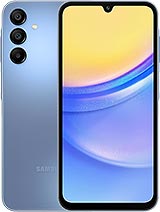
Galaxy A15 5G
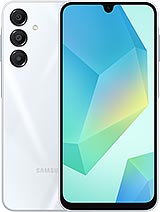
Galaxy A16 5G
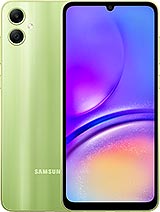
Galaxy A05
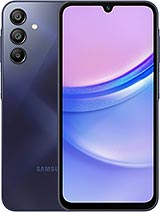
Galaxy A15 LTE
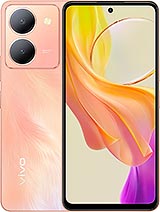
Y77t