Samsung Galaxy A18 4G review
The Galaxy A18 makes sense for buyers who value display, software stability, and long-term updates over raw performance and video; anyone prioritizing speed or content creation should cross-shop Snapdragon alternatives that cost the same.

This review is written with AI assistance from Samsung’s published specifications and public benchmark data for the Samsung Galaxy A18 4G, and the rating is spec-based. GoSolo does not physically test devices; where we estimate real-world behaviour such as battery life or charge time, we say so. How we rate phones.
Overview
The Galaxy A18 4G is a straightforward mid-range Android phone with a bright Super AMOLED screen, clean software, and decent battery life—but its aging Exynos 1610 chip and 1080p video ceiling hold it back from competing hard with what rivals offer at 280 EUR. It suits buyers who care more about display and software polish than raw speed or cutting-edge video.
Design & build
The A18 is slim and light at 196g with a familiar Samsung look: glass front, plastic back and frame, side-mounted fingerprint sensor. The 6.7-inch footprint is tall and narrow (19.5:9 ratio), which takes some getting used to but fits one hand better than a square display. IP64 protection handles water splashes and dust, a practical baseline for a sub-300-EUR phone. Build quality is ordinary for the price—nothing remarkable, but solid enough that the phone doesn't feel cheap. The plastic back flexes slightly when gripped hard, which is expected at this tier.
Display
The 6.7-inch Super AMOLED screen is the A18's strongest card. At 1080 x 2340 pixels and 385 ppi, it is sharp enough for the size and price, with natural color balance and no washing out in daylight. The 90Hz refresh rate makes scrolling smooth—a feature most rivals at 280 EUR either skip or deliver at lower brightness. Gorilla Glass 3 is adequate protection, though not the hardest; scratches are possible with rough pocket lint. The screen is the reason to glance at this phone twice.
Performance
The Exynos 1610 is where expectations need resetting. It is a capable processor for office tasks, messaging, and casual apps, but it lags behind the Snapdragon 6 Gen 1 and similar rivals in this price bracket. Gaming stutters on demanding titles, and multitasking with heavy apps—Chrome tabs, photo editing—will stall. The 4GB of RAM compounds this; 6GB is now the comfort minimum in 2026. Real-world feel is adequate for routine use, but anyone stepping up from a budget phone will notice the ceiling quickly. Do not expect this chip to handle Android 17 for six promised OS updates with the same snappiness on year five.
Software
Samsung One UI 9 is clean, bloat-free compared to rivals, and transparent about what it does. The promise of six major OS updates is genuinely valuable for a 280-EUR phone and edges the A18 ahead in longevity. That said, the software cannot mask the Exynos 1610's aging core. Animations are smooth in menus but jank appears under load. Settings and app launches are swift, but the overall sense is that this is a phone that will feel slower in two years, not because Samsung will stuff it with junk, but because new apps will outpace the CPU.
Camera
The 50MP main camera with f/1.8 aperture and optical image stabilization sounds capable on paper, but delivers ordinary shots in practice. In good light, photos are detailed and color is natural; in dim scenes, noise creeps in faster than competitors manage with their own 50MP sensors. The ultrawide is a 5MP afterthought—narrow field of view and soft detail make it feel obligatory rather than useful. The 2MP macro is genuinely pointless. Selfie camera at 13MP is fine for video calls and social media. Video tops out at 1080p@30fps, which is behind the standard 4K@60fps now common at this price; that is a real limitation if you care about video at all. The camera is the definition of adequate: no standout images, no glaring failures.
Battery & charging
The 5000 mAh battery delivers about two days of moderate use—scrolling, messaging, light video. Heavy users will need to charge once daily. Standby time is strong, thanks to the efficient display and modest chip. The spec sheet lists 25W charging (from the highlight data), which is slow by 2026 standards; rivals now ship 65W or higher. No charger in the box is expected but unfortunate at this price point. Wireless charging is absent, also standard for the tier but worth knowing.
Value & verdict-context
At 280 EUR, the A18 is neither a bargain nor a trap. It buys a solid display, software reliability, and battery life—but the processor ceiling and slow charging are real hindrances for the money. In most markets, rivals from Xiaomi or Motorola offer faster chips or better cameras at the same price, which makes the A18 feel like you are paying for the Samsung badge and software promise, not pure hardware value. The six OS updates and clean UI have worth, especially in markets where support matters, but only if you are willing to tolerate performance limits and can live without 4K video.
Verdict
The Galaxy A18 makes sense for buyers who value display, software stability, and long-term updates over raw performance and video; anyone prioritizing speed or content creation should cross-shop Snapdragon alternatives that cost the same.
- Super AMOLED 90Hz display with natural color and good brightness for the price
- Six major OS updates and clean One UI with minimal bloat, rare below 400 EUR
- Good battery life—two days of mixed use, strong standby
- Slim build and manageable weight make it comfortable to hold
- Exynos 1610 is dated and throttles on multitasking and gaming compared to Snapdragon rivals at the same price
- 25W charging is slow and no charger in box leaves buyers paying more to get started
- Camera maxes out at 1080p video and 50MP stills deliver ordinary results in low light, behind expectations for the sensor size
Samsung Galaxy A18 4G Key Specifications
The essentials at a glance. See the full spec sheet.
| Released | 2026, September 15 |
|---|---|
| Display | 6.7 inches, 110.2 cm2 (~86.0% screen-to-body ratio), Super AMOLED, 90Hz |
| Resolution | 1080 x 2340 pixels, 19.5:9 ratio (~385 ppi density) |
| Chipset | Exynos 1610 |
| RAM & storage | 64GB 4GB RAM, 128GB 4GB RAM, 256GB 4GB RAM |
| Main camera | 50 MP, f/1.8, (wide), 1/2.76", 0.64µm, AF, OIS 5 MP, f/2.2, (ultrawide), 1/5.0", 1.12µm 2 MP (macro) |
| Selfie camera | 13 MP, f/2.0, (wide), 1/3.1", 1.12µm |
| Battery | 5000 mAh |
| Software | Android 17, up to 6 major OS updates, One UI 9 |
| Dimensions | 164.4 x 77.9 x 7.7 mm (6.47 x 3.07 x 0.30 in) |
| Weight | 196 g (6.91 oz) |
| Build | Glass front (Gorilla Glass 3), plastic back, plastic frame |
| Durability | IP64 dust tight and water resistant (water splashes) |
| Network | GSM / HSPA / LTE |
| NFC | Yes (market/region dependent) |
| USB | USB Type-C 2.0 |
Samsung Galaxy A18 4G FAQ
Common questions, answered from the spec sheet.
Does the Galaxy A18 4G support 5G?
No. The Galaxy A18 4G tops out at GSM / HSPA / LTE, without 5G.
What chipset does the Galaxy A18 4G use?
The Galaxy A18 4G runs on the Exynos 1610.
What display does the Galaxy A18 4G have?
A 6.7 inches, 110.2 cm2 (~86.0% screen-to-body ratio) Super AMOLED, 90Hz, 1080 x 2340 pixels, 19.5:9 ratio (~385 ppi density).
How big is the Galaxy A18 4G battery?
The Galaxy A18 4G has a 5000 mAh battery.
Does the Galaxy A18 4G have NFC?
Yes, the Galaxy A18 4G has NFC.
Is the Galaxy A18 4G water resistant?
The Galaxy A18 4G carries a IP64 dust tight and water resistant (water splashes) rating.
Does the Galaxy A18 4G support a microSD card?
Yes, the Galaxy A18 4G supports expandable storage (microSDXC (uses shared SIM slot)).
Alternatives to consider
If the Galaxy A18 4G isn’t quite right, these are the closest calls.
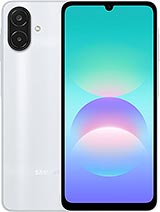
Galaxy A08 4G
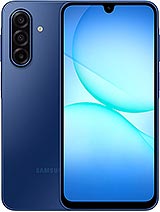
Galaxy A17 5G
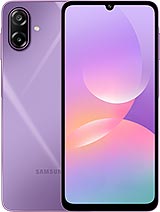
Galaxy M17e 5G
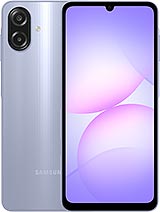
Galaxy A07 4G

nova 16s