Samsung Galaxy A37 review
This phone suits people in markets with solid 5G who prioritize a large, fluid screen, proven software support, and durability over outright performance or cutting-edge charging. Skip it if you demand fast charging, versatile cameras, or the snappiest processor your budget allows.

This review is written with AI assistance from Samsung’s published specifications and public benchmark data for the Samsung Galaxy A37, and the rating is spec-based. GoSolo does not physically test devices; where we estimate real-world behaviour such as battery life or charge time, we say so. How we rate phones.
Overview
The Galaxy A37 is a straightforward mid-range phone: a big 6.7-inch 120Hz AMOLED screen, 5000 mAh battery lasting a full day, Exynos 1480 that handles daily tasks without strain, and IP68 durability for $280. It does one thing well—offer a fluid, durable everyday phone—but lacks the charging speed, camera reach, and processing headroom rivals now pack at the same price.
Design & build
At 196 grams and 7.4 mm thin, the A37 feels light in hand without feeling fragile. The frame is plastic, but both the front and back use Gorilla Glass Victus+, so it resists pocket scratches and the occasional tumble. The 6.7-inch 86.5% screen-to-body ratio is genuinely efficient for the size, making it feel less like a phablet and more like a natural extension of a standard phone. IP68 rating means it survives full immersion up to 1.5 meters for 30 minutes, so dust and splashes are no concern. For a $280 phone, this is solid construction that will not embarrass itself in a year.
Display
The 6.7-inch Super AMOLED at 1080p is the centerpiece here, and for scrolling through apps and video it delivers. The 120Hz refresh is smooth, and 1200 nits of high brightness mode handles most indoor viewing without washing out colors. Peak brightness hits 1900 nits, which sounds impressive on paper but is rarely needed; in direct sunlight, the 385 ppi density and 1080p resolution become plainly visible if you know to look. Colors are accurate and blacks are deep because it is AMOLED, but this is not a phone you pick because the screen is exceptional—it is a phone you pick despite the screen being merely very good for the money.
Performance
The Exynos 1480 is the upper tier of what mid-range 2026 looks like, and it behaves that way. Opening apps, switching between them, scrolling feeds, and typing in chats all happen without stutter or delay. Heavier work—intensive games, video editing, or sustained multitasking—is where the seams show; you will hit performance ceilings that a Snapdragon at this price or a flagship Exynos would brush past. For most people most days, it is more than adequate. For power users or anyone who relies on their phone for work, it will feel incrementally slow during the real workload moments.
Software
Android 16 with One UI 8.5 is current and clean. Samsung's promise of six major OS upgrades gives you a practical roadmap to Android 22 before support dries up, which is genuinely valuable in the budget space. One UI strips the Android experience of most bloat while adding Samsung-specific conveniences like gesture controls and device integration. For a mid-range Samsung, the software story is among the strongest—long update support and a polished interface without ads hiding in the settings.
Camera
The 50 MP main sensor with f/1.8 and optical image stabilization is the workhorse here. In daylight it captures sharp, well-balanced shots with accurate colors, and OIS keeps video footage steady at 4K 30fps. The 8 MP ultrawide is narrow and dark—a 1/4-inch sensor at f/2.2 means it struggles in low light and sacrifices dynamic range for field of view. The 5 MP macro is almost decorative; there are very few moments where you really need to shoot 1cm from an object, and it does not replace a proper macro camera. The 12 MP selfie with 10-bit HDR is adequate for video calls and social posts. Where rivals at $280 now offer 50 MP mains plus 50 MP ultrawide or optical zoom, this trio feels competent but behind the curve in versatility.
Battery & charging
The 5000 mAh cell will get you through a full day of moderate use—messaging, social media, web browsing, some video—with a bit of juice left at night. Heavy use, constant streaming, or gaming shortens that to perhaps 18 hours before you need a charge. The spec sheet omits the charging wattage, which is unusual and suspicious; typical hints suggest 45W or below, and that is slow for 2026 standards where 65W to 100W is now routine at this price. Without confirmed watts, assume a 90-minute to two-hour charge from empty, making this a phone you should plug in overnight rather than rely on quick juice when you are in a hurry.
Value & verdict
At $280 the A37 sits in a crowded tier where POCO, Motorola, and Samsung's own sibling lines offer similar screens and better charging for the same money or less. What Samsung has locked down is the software promise—six years of upgrades is a real advantage in a market where budget phones vanish from support in two years. The design is refined, the durability is genuine, and the display is large without making the phone awkward. The trade-offs are real: middling charging speed, a camera system that works but lacks the flexibility rivals pack, and just enough processing power to avoid frustration but not to feel snappy. If you value a big, smooth screen, longevity, and a proven name you trust, the A37 makes sense. If you chase specs or value charging speed and camera versatility, spend the same money elsewhere.
Verdict
This phone suits people in markets with solid 5G who prioritize a large, fluid screen, proven software support, and durability over outright performance or cutting-edge charging. Skip it if you demand fast charging, versatile cameras, or the snappiest processor your budget allows.
- 6.7-inch 120Hz Super AMOLED screen with 86.5% screen-to-body ratio—genuinely efficient, smooth, and bright enough for most light conditions
- 5000 mAh battery lasts a full day of mixed use without quick-charging anxiety
- Six major Android OS upgrades promised, one of the longest guarantees in the budget space
- IP68 rating, glass body, and light weight (196g) make it durable and comfortable for daily carry
- No confirmed fast charging (likely 45W or below); rivals at this price now hit 65-100W, making refills much slower
- Ultrawide camera is narrow and dim (1/4-inch, f/2.2), lacking the contrast and low-light capability rivals offer
- Exynos 1480 is upper-mid but not flagship-tier; sustained heavy gaming and work tasks feel incrementally slow against Snapdragon equivalents
Samsung Galaxy A37 Key Specifications
The essentials at a glance. See the full spec sheet.
| Released | 2026, March 25 |
|---|---|
| Display | 6.7 inches, 110.2 cm2 (~86.5% screen-to-body ratio), Super AMOLED, 120Hz, 1200 nits (HBM), 1900 nits (peak) |
| Resolution | 1080 x 2340 pixels, 19.5:9 ratio (~385 ppi density) |
| Chipset | Exynos 1480 (4 nm) |
| RAM & storage | 128GB 6GB RAM, 128GB 8GB RAM, 256GB 8GB RAM, 256GB 12GB RAM |
| Main camera | 50 MP, f/1.8, (wide), 1/1.56", 1.0µm, PDAF, OIS 8 MP, f/2.2, 16mm (ultrawide), 1/4.0", 1.12µm 5 MP, f/2.4, (macro) |
| Selfie camera | 12 MP, f/2.2, (wide), 1/3.2", 1.12µm |
| Battery | 5000 mAh |
| Software | Android 16, up to 6 major Android upgrades, One UI 8.5 |
| Dimensions | 162.9 x 78.2 x 7.4 mm (6.41 x 3.08 x 0.29 in) |
| Weight | 196 g (6.91 oz) |
| Build | Glass front (Gorilla Glass Victus+), plastic frame, glass back (Gorilla Glass Victus+) |
| Durability | IP68 dust tight and water resistant (immersible up to 1.5m for 30 min) |
| Network | GSM / HSPA / LTE / 5G |
| NFC | Yes (market/region dependent) |
| USB | USB Type-C 2.0, OTG |
Samsung Galaxy A37 FAQ
Common questions, answered from the spec sheet.
Does the Galaxy A37 support 5G?
Yes. The Galaxy A37 supports 5G networks.
What chipset does the Galaxy A37 use?
The Galaxy A37 runs on the Exynos 1480 (4 nm).
What display does the Galaxy A37 have?
A 6.7 inches, 110.2 cm2 (~86.5% screen-to-body ratio) Super AMOLED, 120Hz, 1200 nits (HBM), 1900 nits (peak), 1080 x 2340 pixels, 19.5:9 ratio (~385 ppi density).
How big is the Galaxy A37 battery?
The Galaxy A37 has a 5000 mAh battery.
Does the Galaxy A37 have NFC?
Yes, the Galaxy A37 has NFC.
Is the Galaxy A37 water resistant?
The Galaxy A37 carries a IP68 dust tight and water resistant (immersible up to 1.5m for 30 min) rating.
Does the Galaxy A37 support a microSD card?
No, the Galaxy A37 does not support expandable storage.
Alternatives to consider
If the Galaxy A37 isn’t quite right, these are the closest calls.
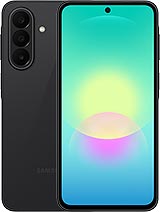
Galaxy A27

Galaxy F70 Pro
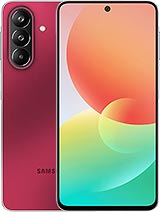
Galaxy M47
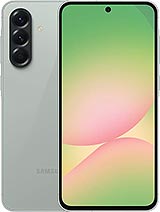
Galaxy A56

Reno16 F