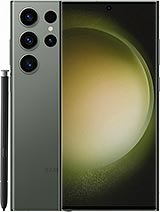
Samsung Galaxy S23 Ultra review
The S23 Ultra makes sense if you need a large, bright screen and zoom lenses, and are comfortable with three-year-old specs at a discount. If you want current-generation features, faster charging, or a more compact phone, newer flagships or this year's high-end mid-rangers are better bets."
This review is based on Samsung’s published specifications and public benchmark data for the Samsung Galaxy S23 Ultra, and the rating is spec-based. GoSolo does not physically test devices; where we estimate real-world behaviour such as battery life or charge time, we say so. How we rate phones.
Overview
The Galaxy S23 Ultra is a 2023 Android flagship with a 6.8-inch 120Hz AMOLED display, a four-lens camera system anchored by a 200MP sensor with 3× and 10× optical zoom, the Snapdragon 8 Gen 2, and a 5000mAh battery. It delivers all the essentials—raw power, excellent cameras, bright screen, and day-long battery—but at three years old it is no longer the leading edge: newer flagship rivals offer faster charging, better zoom quality, and more meaningful AI features, making it most relevant to buyers who want a proven, sturdy Android phone at a discount rather than the latest iteration.
Design & build
At 234g and 8.9mm thin, the S23 Ultra feels substantial in hand but not unwieldy for a 6.8-inch phone. The glass front and back with aluminum frame strike a balance between durability and weight—not light, but not a brick. Gorilla Glass Victus 2 has proven tough against daily scratches, and the IP68 rating (1.5 meters for 30 minutes) is genuinely useful for accidents in kitchen or bathroom. The Armor aluminum frame reinforcement is more marketing than magic, but Samsung's manufacturing quality is reliable. The phone does not feel fragile, and the included stylus (with Bluetooth and motion sensors) adds genuine utility for note-taking and precision work, though most buyers will ignore it. Overall, it is a solid, no-nonsense flagship build that has aged well.
Display
The 6.8-inch Dynamic AMOLED 2X screen is one of the phone's strongest selling points. At 1440×3088 pixels (500 ppi), text is sharp and images are detailed; the 120Hz refresh rate eliminates the jank you see on 60Hz phones when scrolling through feeds or games. The 1750 nits peak brightness means sunlight legibility is genuine—you can actually see what is on screen without shading it with your hand, a luxury at this screen size. HDR10+ support delivers richer colors in compatible content. Three years on, this display still outshines many rivals released since, though some newer flagships have pushed the brightness and smoothness slightly higher. For everyday use—video, gaming, reading, photos—it simply works.
Performance
The Snapdragon 8 Gen 2 was the top mobile chip at launch and remains plenty fast for 2026. It cruises through demanding 3D games like Genshin Impact at high settings without stuttering, handles 4K video editing in real-time, and switches between dozens of apps without lag. The Adreno 740 GPU is capable, and the 12GB RAM (on the mid and high-end tiers) ensures smooth multitasking. AnTuTu clocks in at 1.24 million, which is solid but no longer the absolute leader—newer flagship chips edge this out by 10–20 percent. For practical use, the difference is invisible; you will not feel the S23 Ultra holding you back. Thermal management under sustained load is reasonable; it does warm up during long gaming sessions but does not throttle aggressively.
Software
Out of the box, it runs Android 13 with One UI 8.5, Samsung's overlay. One UI has matured into a mostly clean interface with useful additions like Samsung DeX (desktop mode via USB-C), good gesture controls, and deep Google Assistant integration. Samsung promises four major Android upgrades, meaning it will reach Android 17 in theory, though real-world update speed lags rivals. Security updates are usually prompt. The drawback is bloatware: Samsung's own apps (Gallery, Weather, Bixby) sit alongside Google's equivalents, and some cannot be fully uninstalled without adb. For a global-south readership, the lack of guaranteed long-term support stings; flagship phones in other regions sometimes get longer update commitments. That said, One UI is stable and the phone performs reliably on its software stack.
Camera
The 200MP main sensor is the headline act, but the real story is the lens setup. The f/1.7, 24mm wide angle with 1/1.3" sensor and 0.6µm pixel size is genuinely capable. In good light, it captures excellent detail and handles shadows without aggressive noise reduction. At night, the large sensor and fast aperture help, though computational photography does heavy lifting—results are clean but sometimes over-processed. The standout is the zoom: 3× (70mm telephoto) and 10× (230mm periscope) optical lenses mean you can shoot distant landscapes, wildlife, or architecture without the quality collapse you get from digital zoom. The 10× periscope is impressive, though at extreme distances a 1/3.52" sensor does not rival a camera with a larger zoom lens. The 12MP ultrawide is solid (120° field of view, good sharpness) but unremarkable. The 200MP count is more hype than daily difference—a 50MP sensor would deliver 95 percent of the same results with faster processing. Video is strong: 8K capture is gimmicky (huge files, rarely watched), but 4K at 60fps with HDR10+ and gyro stabilization is genuinely excellent. The selfie camera (12MP, f/2.2) is fine for video calls and casual shots. Overall, the camera system is mature and well-rounded; it excels with subjects at distance and handles everyday shooting without complaint.
Battery & charging
The 5000mAh battery delivers about 14–18 hours of mixed use (email, messaging, social media, some video), which is average for this class and year. Heavy users or those who game for hours will need a midday charge. Heavy users or those who game for hours will need a midday charge. The 45W wired charging is where the phone feels dated: it reaches 65% in 30 minutes, useful for a quick top-up, but a full 0–100% takes about 40–50 minutes. By 2026 standards, rivals at the same or lower price offer 100W+ charging, cutting that time in half. The 15W wireless charging is slow by today's speed wars, and the 4.5W reverse wireless (charging another phone or accessory) is merely a gimmick. If you are charging overnight, the gap does not matter; if you live by rapid top-ups, the S23 Ultra will frustrate you.
Value & verdict
Priced at $425 (or regional equivalents), the S23 Ultra is no longer a flagship-tier device—it is a solid Android phone from 2023 that has dropped in value. Three-year-old hardware means newer rivals offer faster processors, better camera zoom, quicker charging, and more AI-driven features (which matter increasingly in 2026). The strengths remain: excellent display, reliable performance, proven camera system, and thoughtful durability. But the battery endurance is ordinary, charging speed lags, and the software update runway is shorter than you might want. This phone suits buyers who want a proven, no-drama Android option without paying current flagship prices, or photographers who value the zoom lenses and do not mind the age. Buyers who prioritize charging speed, newest features, or a smaller device should look at this year's flagships or newer mid-rangers.
Verdict
The S23 Ultra makes sense if you need a large, bright screen and zoom lenses, and are comfortable with three-year-old specs at a discount. If you want current-generation features, faster charging, or a more compact phone, newer flagships or this year's high-end mid-rangers are better bets."
- 200MP main sensor with f/1.7 aperture and 1/1.3" size captures excellent detail in good light and handles challenging exposures well; 3× and 10× optical telephoto lenses let you shoot distant subjects without excessive digital zoom loss
- 6.8-inch 1440×3088 AMOLED at 120Hz with 1750 nits peak brightness stays readable in direct sun and delivers smooth, natural motion during scrolling and video
- Snapdragon 8 Gen 2 and up to 12GB RAM handle demanding games and multitasking without lag; UFS 4.0 storage ensures quick app launches
- IP68 rating plus Gorilla Glass Victus 2 and reinforced aluminum frame provide solid durability against water, drops, and scratches
- 45W charging is below the 100W+ standard rivals offer at similar prices now; 40–50 minutes for a full charge feels slow by 2026 standards
- The 5000mAh battery provides roughly 14–18 hours of mixed use—acceptable but not exceptional, and heavy users may need to top up mid-afternoon
- No microSD card slot and no charger in the box, requiring separate purchase if you don't already own a USB-C power adapter
Samsung Galaxy S23 Ultra Key Specifications
The essentials at a glance. See the full spec sheet.
| Released | 2023, February 01 |
|---|---|
| Display | 6.8 inches, 114.7 cm2 (~89.9% screen-to-body ratio), Dynamic AMOLED 2X, 120Hz, HDR10+, 1200 nits (HBM), 1750 nits (peak) |
| Resolution | 1440 x 3088 pixels, 19.3:9 ratio (~500 ppi density) |
| Chipset | Qualcomm SM8550-AC Snapdragon 8 Gen 2 (4 nm) |
| RAM & storage | 256GB 8GB RAM, 256GB 12GB RAM, 512GB 12GB RAM, 1TB 12GB RAM |
| Main camera | 200 MP, f/1.7, 24mm (wide), 1/1.3", 0.6µm, multi-directional PDAF, OIS 10 MP, f/2.4, 70mm (telephoto), 1/3.52", 1.12µm, PDAF, OIS, 3x optical zoom 10 MP, f/4.9, 230mm (periscope telephoto), 1/3.52", 1.12µm, PDAF, OIS, 10x optical zoom 12 MP, f/2.2, 13mm, 120˚ (ultrawide), 1/2.55", 1.4µm, dual pixel PDAF, Super Steady video |
| Selfie camera | 12 MP, f/2.2, 26mm (wide), 1/3.2", 1.12µm, dual pixel PDAF |
| Battery | 5000 mAh |
| Charging | 45W wired, PD3.0, 65% in 30 min15W wireless (Qi)4.5W reverse wireless |
| Software | Android 13, up to 4 major Android upgrades, One UI 8.5 |
| Dimensions | 163.4 x 78.1 x 8.9 mm (6.43 x 3.07 x 0.35 in) |
| Weight | 234 g (8.25 oz) |
| Build | Glass front (Gorilla Glass Victus 2), glass back (Gorilla Glass Victus 2), aluminum frame |
| Durability | IP68 dust tight and water resistant (immersible up to 1.5m for 30 min) Armor aluminum frame Stylus (Bluetooth integration, accelerometer, gyro) |
| Network | GSM / CDMA / HSPA / EVDO / LTE / 5G |
| NFC | Yes |
| USB | USB Type-C 3.2, OTG |
Samsung Galaxy S23 Ultra FAQ
Common questions, answered from the spec sheet.
Does the Galaxy S23 Ultra support 5G?
Yes. The Galaxy S23 Ultra supports 5G networks.
What chipset does the Galaxy S23 Ultra use?
The Galaxy S23 Ultra runs on the Qualcomm SM8550-AC Snapdragon 8 Gen 2 (4 nm).
What display does the Galaxy S23 Ultra have?
A 6.8 inches, 114.7 cm2 (~89.9% screen-to-body ratio) Dynamic AMOLED 2X, 120Hz, HDR10+, 1200 nits (HBM), 1750 nits (peak), 1440 x 3088 pixels, 19.3:9 ratio (~500 ppi density).
How big is the Galaxy S23 Ultra battery?
The Galaxy S23 Ultra has a 5000 mAh battery. Charging is rated at 45W wired, PD3.0, 65% in 30 min15W wireless (Qi)4.5W reverse wireless.
Does the Galaxy S23 Ultra have NFC?
Yes, the Galaxy S23 Ultra has NFC.
Is the Galaxy S23 Ultra water resistant?
The Galaxy S23 Ultra carries a IP68 dust tight and water resistant (immersible up to 1.5m for 30 min) Armor aluminum frame Stylus (Bluetooth integration, accelerometer, gyro) rating.
Does the Galaxy S23 Ultra support a microSD card?
No, the Galaxy S23 Ultra does not support expandable storage.
Does the Galaxy S23 Ultra have a headphone jack?
No, the Galaxy S23 Ultra does not have a 3.5mm headphone jack.
Alternatives to consider
If the Galaxy S23 Ultra isn’t quite right, these are the closest calls.
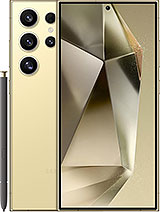
Galaxy S24 Ultra
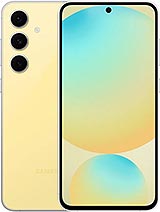
Galaxy S24 FE
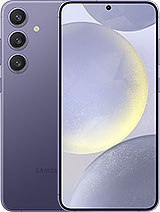
Galaxy S24+
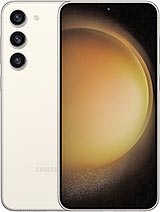
Galaxy S23+
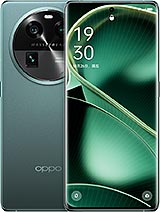
Find X6