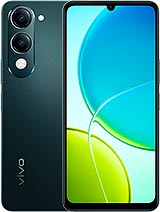
Samsung Galaxy XCover7 review
This phone suits professionals and outdoor workers who value durability, repairability, and utility over processing power and cutting-edge displays. Anyone else shopping in the midrange should look elsewhere—mainstream rivals offer faster charging, better performance, and stronger cameras for similar or less money, just without the ruggedness you do not need.
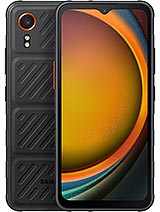
This review is based on Samsung’s published specifications and public benchmark data for the Samsung Galaxy XCover7, and the rating is spec-based. GoSolo does not physically test devices; where we estimate real-world behaviour such as battery life or charge time, we say so. How we rate phones.
Overview
The XCover7 is a rugged workhorse for field teams and outdoor users: IP68-rated, MIL-STD-810H certified, with a removable battery and headphone jack that competitors have abandoned. The cost of toughness and those utility features is slow charging, modest performance, and an LCD screen—but for the people who need this phone, the trade-off is honest.
Design & build
The XCover7 weighs 240g and measures 10.2mm thick—solid but not light, and that's by design. This is a phone built to survive what ordinary flagships cannot: IP68 dust tightness, 1.5m submersion for 35 minutes, 1.5m drop resistance, and full MIL-STD-810H compliance. Field workers, outdoor teams, and anyone in agriculture, construction, or logistics see durability as a feature worth the heft. The removable battery is a genuine rarity in 2024; swap in a fresh cell yourself when capacity ages, a luxury no other mainstream phone offers. The 3.5mm jack is still here too. For a phone aimed at job sites over lifestyle, the build is exactly what it promises.
Display
A 6.6-inch PLS LCD at 1080x2408 pixels (~400 ppi) is not cutting-edge, but it works for its purpose. The 600-nit peak brightness (HBM) is respectable for an LCD and holds legibility in direct sunlight, a critical requirement for outdoor work. OLED would deliver richer colors and deeper blacks, but LCD is more forgiving in extreme cold and heat, and it survives rough handling better. Gorilla Glass Victus+ is the current top tier of mobile glass, a sensible choice for a phone that will be dropped and scratched. The 20:9 ratio is tall and narrow, good for one-handed grip on a job site.
Performance
The Dimensity 6100+ with Mali-G57 GPU is mainstream midrange, period. AnTuTu benchmarks cluster around 550k, placing it below a Snapdragon 7 Gen 1 or Apple's A15, but ahead of last-generation budget chips. Everyday tasks—calls, email, maps, camera, light browsing—run smoothly. Multitasking is competent as long as you are not juggling heavy apps. Gaming beyond light titles like Candy Crush will show stutters; demanding games see frame drops. For a rugged phone in this price bracket, it is adequate; field software and enterprise apps typically are not resource-intensive. If you need raw processing power, this is not it. If you need a phone that works reliably on job sites, it is.
Software
Android 14 with One UI 8.5 out of the box, upgradable to Android 16. Samsung's three-year major update promise and four years of security patches are standard for the company, though not industry-leading by 2024 standards. One UI on the XCover7 is bloat-light compared to consumer Galaxy phones—no excessive pre-installed apps, no aggressive upselling. The OS is built for stability over flashiness, which suits the target audience. Field teams value reliability and remote management tools (Knox security, Samsung Workspace), both of which are present.
Camera
A 50MP f/1.8 main sensor with PDAF and dual-LED flash covers daylight and low-light capture competently. The f/1.8 aperture is genuinely useful in dim conditions, and the HDR processing handles mixed lighting. Output is detailed in good light and acceptable in shadow; it is not a photography phone, but it will not disappoint for work documentation and occasional personal shots. The 5MP front camera and 1080p video recording are basic, even for 2024—adequate for video calls and site documentation, inadequate if you need 4K for editing flexibility. The lack of optical stabilization means video can be shaky on handheld pans, a limitation for field footage.
Battery & charging
The 4050 mAh cell yields roughly 4 to 5 hours of screen-on time in typical use; for a workday, you will need to charge it. The real pain point is speed: 15W wired charging takes 1.5 to 2 hours for a full top-up. Rivals now routinely hit 30W or faster, making the XCover7 feel glacial. The removable battery softens this blow—swap in a charged spare and you avoid downtime. That is a genuine luxury that mainstream phones have discarded, and it matters on remote sites where wall outlets are scarce. Wireless charging is absent, as is industry-standard fast charging; the choice reflects the phone's rugged, utilitarian identity.
Value & verdict
At €225 (about $306), the XCover7 is reasonably priced for what it delivers. You are paying for durability, removable battery, a headphone jack, and 5G connectivity—genuine features that cost money. You are not paying for flagship performance or a pristine screen; you get a competent midrange chip and a bright LCD that survives rough use. The slow charging and basic video specs are real drawbacks if you expect 2024 mainstream comfort, but they are knowable trade-offs, not hidden failures. For field workers, outdoor enthusiasts, and anyone who needs a phone that survives where others break, the XCover7 is a sensible buy. For casual users who want the latest performance or image quality, it is not.
Verdict
This phone suits professionals and outdoor workers who value durability, repairability, and utility over processing power and cutting-edge displays. Anyone else shopping in the midrange should look elsewhere—mainstream rivals offer faster charging, better performance, and stronger cameras for similar or less money, just without the ruggedness you do not need.
- IP68 + MIL-STD-810H durability, plus 1.5m drop resistance and removable battery—genuinely built for field work and rough environments where most phones would fail
- 3.5mm headphone jack and dedicated microSD slot still present; extras that have vanished from nearly every other modern phone
- 600-nit LCD stays readable in direct sunlight despite the brightness ceiling of an LCD panel, backed by Gorilla Glass Victus+
- Reasonable price for a rugged phone with 5G, NFC, and years of OS updates (Android 14 to 16 guaranteed)
- 15W charging is painfully slow; rivals in the rugged category and mainstream midrange now push 30W or more, turning a full charge into a 1.5-to-2-hour ordeal
- Dimensity 6100+ with 4GB/6GB RAM handles everyday tasks but stumbles on heavy apps and gaming—fine for calls, messaging, and light work, not for power users
- 1080p video and 5MP selfie feel sparse for 2024, limiting creative flexibility and video editing options
Samsung Galaxy XCover7 Key Specifications
The essentials at a glance. See the full spec sheet.
| Released | 2024, January 10 |
|---|---|
| Display | 6.6 inches, 104.9 cm2 (~77.5% screen-to-body ratio), PLS LCD, 600 nits (HBM) |
| Resolution | 1080 x 2408 pixels, 20:9 ratio (~400 ppi density) |
| Chipset | Mediatek Dimensity 6100+ (6 nm) |
| RAM & storage | 64GB 4GB RAM, 128GB 6GB RAM |
| Main camera | 50 MP, f/1.8, (wide), 1/2.76", 0.64µm, PDAF |
| Selfie camera | 5 MP, f/2.0, (wide) |
| Battery | 4050 mAh |
| Charging | 15W wired |
| Software | Android 14, upgradable to Android 16, One UI 8.5 |
| Dimensions | 169 x 80.1 x 10.2 mm (6.65 x 3.15 x 0.40 in) |
| Weight | 240 g (8.47 oz) |
| Durability | IP68 dust tight and water resistant (immersible up to 1.5m for 35 min) Drop resistant up to 1.5m MIL-STD-810H compliant* *does not guarantee ruggedness or use in extreme conditions |
| Network | GSM / HSPA / LTE / 5G |
| NFC | Yes |
| USB | USB Type-C 2.0, charging connector pins |
Samsung Galaxy XCover7 FAQ
Common questions, answered from the spec sheet.
Does the Galaxy XCover7 support 5G?
Yes. The Galaxy XCover7 supports 5G networks.
What chipset does the Galaxy XCover7 use?
The Galaxy XCover7 runs on the Mediatek Dimensity 6100+ (6 nm).
What display does the Galaxy XCover7 have?
A 6.6 inches, 104.9 cm2 (~77.5% screen-to-body ratio) PLS LCD, 600 nits (HBM), 1080 x 2408 pixels, 20:9 ratio (~400 ppi density).
How big is the Galaxy XCover7 battery?
The Galaxy XCover7 has a 4050 mAh battery. Charging is rated at 15W wired.
Does the Galaxy XCover7 have NFC?
Yes, the Galaxy XCover7 has NFC.
Is the Galaxy XCover7 water resistant?
The Galaxy XCover7 carries a IP68 dust tight and water resistant (immersible up to 1.5m for 35 min) Drop resistant up to 1.5m MIL-STD-810H compliant* *does not guarantee ruggedness or use in extreme conditions rating.
Does the Galaxy XCover7 support a microSD card?
Yes, the Galaxy XCover7 supports expandable storage (microSDXC (dedicated slot)).
Does the Galaxy XCover7 have a headphone jack?
Yes, the Galaxy XCover7 has a 3.5mm headphone jack.
Alternatives to consider
If the Galaxy XCover7 isn’t quite right, these are the closest calls.
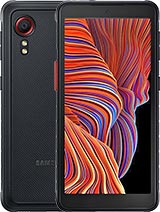
Galaxy XCover 7
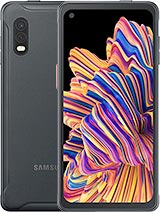
Galaxy XCover 7 Pro
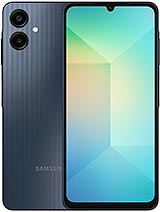
Galaxy A06
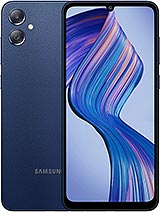
Galaxy F05
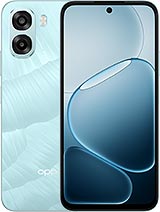
A6x 5G