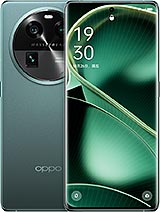
Samsung Galaxy Z Fold5 review
The Fold5 suits media consumers, professionals who benefit from the expanded workspace, and anyone willing to live with a hinge as their trade-off for a genuinely large screen. Skip it if you charge your phone every morning and expect a quick top-up, or if the under-display camera and foldable durability concerns outweigh the appeal of the unfolded display.
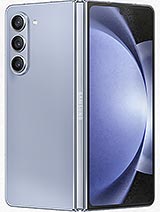
This review is based on Samsung’s published specifications and public benchmark data for the Samsung Galaxy Z Fold5, and the rating is spec-based. GoSolo does not physically test devices; where we estimate real-world behaviour such as battery life or charge time, we say so. How we rate phones.
Overview
The Fold5 is the mature iteration of Samsung's foldable design: a large unfolded screen for media and work, water resistance, and proven durability, but held back by slower charging than rivals and a 4MP inner selfie that feels like an afterthought. It defines a specific use case rather than being a phone for everyone.
Design & build
The Fold5 is a refined evolution, not a radical redesign. It weighs 253 grams and measures 13.4 mm thick when folded, making it chunky compared to a conventional slab, but the weight is distributed evenly enough that it does not feel awkward in hand. The Gorilla Glass Victus 2 on both front and back, combined with the reinforced aluminum frame and IPX8 rating (1.5 meters for 30 minutes), gives the device genuine durability against drops and water mishaps. The hinge is smoother than the Fold4, and the crease on the inner screen is less pronounced, though it remains visible and tactile under direct light. The real concern is not the headlines but the hinge itself—it is still the most vulnerable point, and years of folding will eventually wear it. For a phone at this price, that trade-off matters.
Display
The 7.6-inch inner screen is the whole point. At 1812 x 2176 pixels and 373 ppi, it is sharp enough that individual pixels fade into the background at normal viewing distance, and the 120Hz refresh rate tracks finger movement without stutter. The Dynamic AMOLED 2X panel hits 1600 nits of peak brightness, which makes it readable in sunlight despite the reflective glass. The cover display is a necessary compromise—6.2 inches and 904 x 2316 pixels—narrow enough to feel like a secondary screen but wide enough to use for texts and apps without unfolding. The real downside is that neither screen has Gorilla Glass Armor or Gorilla Glass Crystallus; you are buying scratch resistance that lags the Galaxy S24 series. For most buyers who value the expanded workspace, the inner display justifies the form factor.
Performance
The Snapdragon 8 Gen 2 at 4 nm is a high-end chipset that powers through Genshin Impact and Honkai Star Rail at high settings without hesitation on the cover display. On the unfolded screen, sustained load causes modest thermal throttling due to the narrower bezel area and heat dissipation challenges of the foldable design, so expect frame drops after 30 to 45 minutes of continuous gaming. The Adreno 740 GPU is capable, and 12GB of RAM is sufficient for juggling apps and multitasking. The AnTuTu score of 1.25 million sits at the high end of 2023-era flagships, which is the right level for this device's year and price. In daily use—email, browsing, video—performance feels effortless.
Software
Android 13 with One UI 8.5 adds Samsung's polish on top of Google's base, and the promise of four major Android upgrades extends the lifespan of the device. One UI includes DeX, which turns the unfolded screen into a desktop-like workspace when docked, a feature that adds genuine value for productivity. The software experience is familiar and does not push any controversial boundaries; Samsung's bloatware is as light as it gets among skins, though you still get Bixby and a handful of pre-installed apps you may never use. The multiwindow and taskbar utilities on the larger screen are genuinely useful, not forced.
Camera
The 50MP main camera with f/1.8 aperture and 1/1.56 inch sensor captures sharp, well-balanced shots in daylight and handles low light better than the Fold4 thanks to larger pixels and improved noise reduction. The 10MP telephoto at 3x optical zoom is the workhorse—it reaches distant subjects without cropping away detail, and the stabilization keeps video smooth. The 12MP ultrawide at 123 degrees fits landscapes and group photos without obvious distortion. The 4K video at 60fps is smooth, and 8K at 30fps is available, though it chews storage and is rarely watched. The real letdown is the 4MP under-display camera on the inner screen, which is far too low-res for decent video calls or selfies; Samsung's choice to hide a mediocre sensor rather than skip a selfie camera altogether feels like a compromise that satisfies no one. The 10MP cover camera is a reasonable fallback for selfies.
Battery & charging
The 4400 mAh battery is split between the two screen halves, a necessity for the foldable design. A full day of moderate use—reading, messaging, light video—fits on one charge, but heavy unfolding-screen or gaming sessions will drain it by evening. The 25W wired charging fills the battery in about 60 to 75 minutes, which is measurably slower than rivals that hit 65W or 100W at this price point. The 15W wireless charging is a nice-to-have, and the 4.5W reverse wireless charging rarely matters. If you are accustomed to 30-minute refills, the Fold5 will annoy you.
Value & verdict
At €668 or $489, the Fold5 sits in flagship territory, and the foldable form factor is the premium you are paying. The large unfolded screen is genuinely useful for spreadsheets, reading, and side-by-side app layouts, but it comes with the hinge durability risk and the thermal constraints of gaming. The slower charging compared to competing flagships is a concrete frustration, not a minor quibble. The under-display selfie camera is a weak point that Samsung has not yet solved convincingly. For photographers, the telephoto reach and main sensor are solid, but the ultrawide is unremarkable. The real question is whether you actually unfold this phone regularly. If you do, the 7.6-inch display and the DeX productivity features justify the cost and the hinge anxiety. If you mostly use the cover display, a conventional flagship costs half as much and delivers better charging speeds.
Verdict
The Fold5 suits media consumers, professionals who benefit from the expanded workspace, and anyone willing to live with a hinge as their trade-off for a genuinely large screen. Skip it if you charge your phone every morning and expect a quick top-up, or if the under-display camera and foldable durability concerns outweigh the appeal of the unfolded display.
- 7.6-inch unfolded display at 373 ppi stays sharp and smooth at 120Hz, genuinely useful for reading, spreadsheets, and video without the pinch of older folds
- 50MP main camera with 3x optical zoom and steadier daylight performance than the Fold4, backed by 8K video at 30fps
- IPX8 water resistance up to 1.5 meters, reinforced Armor aluminum frame, and refined hinge durability reduce anxiety around daily carry
- Snapdragon 8 Gen 2 and 12GB RAM handle graphics-heavy games and multitasking without strain on the unfolded screen
- 25W charging fills the 4400 mAh battery in roughly 60 to 75 minutes, slower than the 65W or 100W charging now common at this price
- 4MP under-display camera on the inner screen is too low-resolution for usable video calls or selfies; the cover camera feels like a workaround, not a solution
- Foldable hinge and crease remain the weakest points during daily use despite improvements; thermal throttling during sustained gaming on the inner screen narrows the performance advantage
Samsung Galaxy Z Fold5 Key Specifications
The essentials at a glance. See the full spec sheet.
| Released | 2023, July 26 |
|---|---|
| Display | 7.6 inches, 183.2 cm2 (~91.1% screen-to-body ratio), Foldable Dynamic AMOLED 2X, 120Hz, HDR10+ |
| Resolution | 1812 x 2176 pixels (~373 ppi density) |
| Chipset | Qualcomm SM8550-AC Snapdragon 8 Gen 2 (4 nm) |
| RAM & storage | 256GB 12GB RAM, 512GB 12GB RAM, 1TB 12GB RAM |
| Main camera | 50 MP, f/1.8, 23mm (wide), 1/1.56", 1.0µm, dual pixel PDAF, OIS 10 MP, f/2.4, 66mm (telephoto), 1/3.94", 1.0µm, PDAF, OIS, 3x optical zoom 12 MP, f/2.2, 12mm, 123˚ (ultrawide), 1/3.06", 1.12µm |
| Selfie camera | 4 MP, f/1.8, 26mm (wide), 1/3.0", 2.0µm, under display Cover camera: 10 MP, f/2.2, 24mm (wide), 1/3.0", 1.22µm |
| Battery | 4400 mAh |
| Charging | 25W wired, 50% in 30 min15W wireless4.5W reverse wireless |
| Software | Android 13, up to 4 major Android upgrades, One UI 8.5 |
| Dimensions | Unfolded: 154.9 x 129.9 x 6.1 mmFolded: 154.9 x 67.1 x 13.4 mm |
| Weight | 253 g (8.92 oz) |
| Build | Glass front (Gorilla Glass Victus 2) (folded), plastic front (unfolded), glass back (Gorilla Glass Victus 2), aluminum frame |
| Durability | IPX8 water resistant (up to 1.5m for 30 min) Armor aluminum frame Stylus support |
| Network | GSM / CDMA / HSPA / EVDO / LTE / 5G |
| NFC | Yes |
| USB | USB Type-C 3.2, OTG |
Samsung Galaxy Z Fold5 FAQ
Common questions, answered from the spec sheet.
Does the Galaxy Z Fold5 support 5G?
Yes. The Galaxy Z Fold5 supports 5G networks.
What chipset does the Galaxy Z Fold5 use?
The Galaxy Z Fold5 runs on the Qualcomm SM8550-AC Snapdragon 8 Gen 2 (4 nm).
What display does the Galaxy Z Fold5 have?
A 7.6 inches, 183.2 cm2 (~91.1% screen-to-body ratio) Foldable Dynamic AMOLED 2X, 120Hz, HDR10+, 1812 x 2176 pixels (~373 ppi density).
How big is the Galaxy Z Fold5 battery?
The Galaxy Z Fold5 has a 4400 mAh battery. Charging is rated at 25W wired, 50% in 30 min15W wireless4.5W reverse wireless.
Does the Galaxy Z Fold5 have NFC?
Yes, the Galaxy Z Fold5 has NFC.
Is the Galaxy Z Fold5 water resistant?
The Galaxy Z Fold5 carries a IPX8 water resistant (up to 1.5m for 30 min) Armor aluminum frame Stylus support rating.
Does the Galaxy Z Fold5 support a microSD card?
No, the Galaxy Z Fold5 does not support expandable storage.
Does the Galaxy Z Fold5 have a headphone jack?
No, the Galaxy Z Fold5 does not have a 3.5mm headphone jack.
Alternatives to consider
If the Galaxy Z Fold5 isn’t quite right, these are the closest calls.
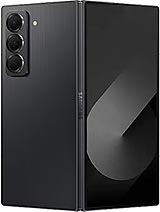
Galaxy Z Fold Special
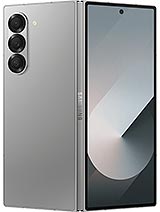
Galaxy Z Fold6
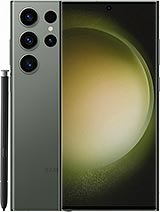
Galaxy S23 Ultra
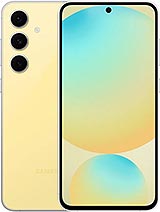
Galaxy S24 FE
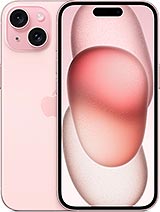
iPhone 15