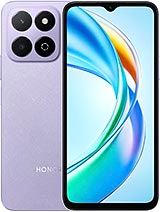
TCL Ion X review
The Ion X makes sense only for buyers in regions where 100 EUR is the ceiling, network reliability matters more than screen brightness, and the ability to carry a spare battery is a real advantage. Anyone with a bigger budget or reliable daily access to power should look elsewhere.
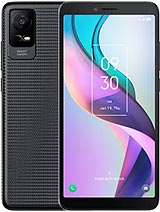
This review is based on TCL’s published specifications and public benchmark data for the TCL Ion X, and the rating is spec-based. GoSolo does not physically test devices; where we estimate real-world behaviour such as battery life or charge time, we say so. How we rate phones.
Overview
The TCL Ion X is a stripped-down 2023 Android phone built for markets where cost and basic connectivity matter far more than display quality or battery longevity. At around 100 EUR, it does calls, texts, and light apps, but the 3000 mAh battery and 720p screen are genuine limits to daily usability.
Design & Build
At 177g and 8.9mm thick, the Ion X is slim and light enough to forget in your pocket, a genuine advantage if you move between different devices or carry a phone all day without fatigue. The body feels basic—no mention of glass or modern materials in the spec sheet—but the weight and thinness suggest it is built to cost rather than impress. The removable battery is a practical rarity in 2023; it means you can swap in a fresh cell without hunting for a charger, which matters in regions where power outlets are not always reliable or where you want a backup power source on hand.
Display
The 6.0-inch 720p IPS screen is the first real compromise you face. At 268 ppi, pixels are visible if you look close, and the 60Hz refresh rate makes scrolling feel stiff compared to what most people expect from a modern phone, even a budget one. In a bright room or sunlight, the display dims noticeably; it is readable but not vibrant. For browsing, messaging, and video at normal viewing distances it works, but anyone used to sharper or brighter screens will notice the step down immediately. This is not a screen for outdoor use or photo editing.
Performance
The Helio G25 is a low-end chip that handles day-to-day tasks—calls, messaging, social media, light web browsing—without stuttering. Opening apps takes a moment, but they open. The real ceiling is visible the moment you ask for anything demanding: games with 3D graphics will choke, and if you have 10+ apps running, you will feel slowdown. The 3GB of RAM makes multitasking feel tight; switching between apps requires waiting. For someone who checks messages, takes calls, and uses a few light apps, this chip is adequate. For anyone who games regularly or keeps dozens of apps installed, it is a frustration.
Software
TCL UI sits on top of Android, which usually means bloat and slow updates. The spec sheet does not mention which Android version shipped or whether TCL has committed to future updates, a red flag for a budget device in 2023. You get what you pay for: the OS will work, but do not expect years of security patches or rapid feature updates. For basic use, it is fine. For anyone concerned about security or longevity, the picture is murky.
Camera
The 13MP main camera with PDAF and LED flash is serviceable in good light. 1080p video is standard for this price tier. The 5MP selfie is strictly functional. The real issue is low-light performance; the sensor is small (1/3.06" on the main camera) and the phone will produce noisy, muddy shots once the sun sets. Photos in daylight are okay but lack detail and color accuracy. If you need a camera you can actually rely on, budget phones at this price offer better sensors elsewhere; the Ion X is a camera you use only when you have no choice.
Battery & Charging
The 3000 mAh battery is the hard limit here. Even with moderate use, you are looking at 4 to 5 hours of screen-on time before the battery drops below 20 percent. A heavy user or someone away from a charger all day will run dry by afternoon. The spec sheet does not list charging wattage, which is telling; there is no mention of fast charging at all, so assume slow charging via the USB-C port. The removable battery helps offset this weakness—you can carry a spare and swap it in without plugging in—but that is a workaround, not a solution. For anyone used to all-day battery life, this phone demands a charger within arm's reach at all times.
Value & Verdict
At around 100 EUR, the Ion X is priced for markets where every euro counts and network coverage is more critical than screen quality or battery endurance. It is not a phone for those who can afford better. It is a phone for someone in a developing economy who needs basic connectivity, cannot afford 200+ EUR, and is willing to charge twice a day in exchange for a low price and a removable battery. Compared to a 2022 or 2023 rival at the same price—a Redmi A1 or Moto E13, for example—the Ion X offers less raw performance, a dimmer screen, and a smaller battery. Its only real edge is the removable battery and the slim chassis, which matter only if those specific features align with your needs. For the global-south reader shopping with a strict budget and real constraints on charger availability, it is a serious option. For anyone else, spending 30 or 40 EUR more unlocks meaningfully better phones.
Verdict
The Ion X makes sense only for buyers in regions where 100 EUR is the ceiling, network reliability matters more than screen brightness, and the ability to carry a spare battery is a real advantage. Anyone with a bigger budget or reliable daily access to power should look elsewhere.
- Removable battery (uncommon at any price in 2023, valuable in regions with spotty chargers)
- Dedicated microSD slot for storage expansion (32GB internal is tight)
- Compact and light (177g, 8.9mm) makes it genuinely pocketable
- LTE bands cover most global markets and carriers
- 3000 mAh battery delivers only 4–5 hours of real screen time; you will need a midday charge
- 720p display at 6.0 inches is dim in sunlight and looks grainy up close
- Helio G25 struggles with anything beyond light gaming and multitasking
TCL Ion X Key Specifications
The essentials at a glance. See the full spec sheet.
| Released | 2023, January 26 |
|---|---|
| Display | 6.0 inches, 92.9 cm2 (~78.9% screen-to-body ratio), IPS LCD |
| Resolution | 720 x 1440 pixels, 18:9 ratio (~268 ppi density) |
| Chipset | Mediatek MT6762G Helio G25 (12 nm) |
| RAM & storage | 32GB 3GB RAM |
| Main camera | 13 MP, (wide) 1/3.06", 1.12µm, PDAF |
| Selfie camera | 5 MP, (wide) 1/5.0", 1.12µm |
| Battery | 3000 mAh |
| Software | Android, TCL UI |
| Dimensions | 156.5 x 75.2 x 8.9 mm (6.16 x 2.96 x 0.35 in) |
| Weight | 177.4 g (6.24 oz) |
| Network | GSM / HSPA / LTE |
| NFC | No |
| USB | USB Type-C 2.0 |
TCL Ion X FAQ
Common questions, answered from the spec sheet.
Does the Ion X support 5G?
No. The Ion X tops out at GSM / HSPA / LTE, without 5G.
What chipset does the Ion X use?
The Ion X runs on the Mediatek MT6762G Helio G25 (12 nm).
What display does the Ion X have?
A 6.0 inches, 92.9 cm2 (~78.9% screen-to-body ratio) IPS LCD, 720 x 1440 pixels, 18:9 ratio (~268 ppi density).
How big is the Ion X battery?
The Ion X has a 3000 mAh battery.
Does the Ion X have NFC?
No, the Ion X does not list NFC support.
Does the Ion X support a microSD card?
Yes, the Ion X supports expandable storage (microSDXC (dedicated slot)).
Alternatives to consider
If the Ion X isn’t quite right, these are the closest calls.
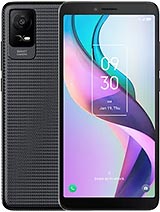
Ion V
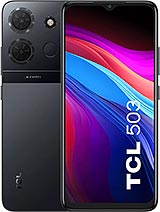
503
ION Z
502
Galaxy XCover 7