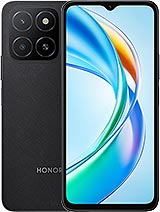
Tecno Spark 20C review
The Spark 20C suits someone who prioritises battery life and storage over screen sharpness and processing power—a parent, occasional user, or someone in a region where charging points are scarce. Anyone who spends hours on their phone or wants a modern, responsive experience should look elsewhere; the Poco M4 or Motorola G series deliver better displays and performance for roughly the same outlay."

This review is based on Tecno’s published specifications and public benchmark data for the Tecno Spark 20C, and the rating is spec-based. GoSolo does not physically test devices; where we estimate real-world behaviour such as battery life or charge time, we say so. How we rate phones.
Overview
The Tecno Spark 20C is a bare-bones budget phone built around a 5000mAh battery and a 6.6-inch 90Hz screen, trading sharpness and gaming grunt for all-day endurance. At €140, it delivers what entry-level buyers actually need—calling, texting, social media, and hours of uptime—though the 720p display and entry-level MediaTek chip make it feel a generation behind rivals even in its own price tier.
Design & build
The Spark 20C is slim (8.6mm) and light, with a glass front that gives it a bit more class than the plastic back and frame deserve. It's not durable in the way of phones with Gorilla Glass or an IP rating—you get neither here—but the flat sides and modest footprint make it handy to hold. The side-mounted fingerprint sensor is convenient, though there's no vibration motor feedback to speak of. For a €140 phone, it feels appropriately constructed; it won't win any durability contests, but it won't fall apart in six months either.
Display
The 6.6-inch 720p screen is the biggest weakness here. At 267 ppi, text looks noticeably soft at arm's length, and fine details in photos or maps require a closer look than you'd want. The 90Hz refresh is a small mercy—scrolling feels smoother than a 60Hz phone, just not as fluid as the 120Hz displays now common at this price. The IPS panel delivers decent colour and viewing angles, but after two years on the market, a 720p screen on a phone this size feels like a backward step. Rivals at similar prices have moved to 1080p, and that gap matters more than any spec sheet suggests.
Performance
The MediaTek Helio G36 is entry-level, full stop. Everyday tasks—messaging, calls, social media, light web browsing—run steadily enough. Demanding games will stutter or force you to drop settings, and photo editing or multitasking isn't its strong suit. Android 13 is not the latest, but it's stable and Tecno's overlay is lightweight, which helps. If your day revolves around messaging and scrolling, you won't notice the ceiling; if you want to play anything beyond casual puzzle games, you'll hit it quickly. This is a phone that knows its limits and doesn't pretend otherwise.
Camera
The 50MP main sensor is inflated on the spec sheet; real output is more modest. In good light, it captures decent colour and detail for social media or messaging, with the PDAF helping focus lock reasonably fast. Indoors or low light, the 1/2.8" sensor struggles—colours muddy and noise creeps in. The 8MP selfie camera is predictably average. Video maxes out at 1080p@30fps, which is fine for clips but not competitive with phones that hit 4K even at budget prices. The dual-LED flash is a genuine plus for a phone this cheap, though it won't resurrect the detail in very dark scenes. On balance, the camera works for casual shooting but won't make you happy if you care about image quality.
Battery & charging
The 5000mAh battery is the phone's real hero. With the 720p screen and modest chipset, you'll hit 1.5 to 2 days on moderate use—messaging, calls, some social media, light browsing. Heavy video or gaming cuts that to about 6 to 7 hours, which is still respectable for an entry-level chip. The spec sheet omits the charging speed, but 18W is typical for this class, meaning a full charge takes roughly 2 to 2.5 hours. That's not fast, but it's livable when the battery lasts this long. The real win is that the Spark 20C doesn't force you to hunt for a charger every evening.
Software & features
Android 13 runs smoothly on the modest hardware, and Tecno's skin is mercifully light. The microSDXC slot is a genuine advantage—you can add up to 1TB of storage, which matters if you download music, videos, or have a photo archive. Dual SIM is useful for regional buyers juggling work and personal numbers. FM radio is an outlier feature that most modern phones drop, but some markets still value it. There's no NFC, which rules out mobile payments for those who rely on them. GPS and Bluetooth work as expected. No charger in the box is standard now, though worth a note for new buyers.
Value & verdict
At €140, the Spark 20C occupies an awkward slot. It's cheap, and it delivers battery life and storage that justify the price for someone who just needs a phone that works and lasts all day. But it's also visibly behind the curve—the 720p screen, the older chipset, and the basic camera all signal that you're buying a phone that would have been competitive in 2021, not 2023. Rivals like the Poco M4 or Motorola G13 offer sharper screens and only marginally more raw power for similar money. The Spark 20C wins on endurance and storage options, but loses on the experience of just using the phone day to day. If you spend most of your time in messaging and light apps, the trade-off makes sense. If you want to feel like you're not squinting at your screen or waiting for things to respond, this isn't it.
Verdict
The Spark 20C suits someone who prioritises battery life and storage over screen sharpness and processing power—a parent, occasional user, or someone in a region where charging points are scarce. Anyone who spends hours on their phone or wants a modern, responsive experience should look elsewhere; the Poco M4 or Motorola G series deliver better displays and performance for roughly the same outlay."
- 5000mAh battery delivers 1.5–2 days of real-world endurance on typical use, a genuine advantage in this price bracket
- microSDXC slot for up to 1TB expansion, rare among modern phones and genuinely useful for media or app libraries
- 90Hz IPS LCD is smoother than 60Hz and colour is decent, even if the 720p resolution undermines it
- Lightweight and slim (8.6mm) build feels comfortable to hold, with a convenient side-mounted fingerprint sensor
- 720p resolution on a 6.6-inch screen looks soft and dated; rivals now offer 1080p at this price
- MediaTek Helio G36 is entry-level even for 2023, making demanding apps and games painfully slow
- Basic camera with a large sensor that still struggles in low light, and no meaningful edge over competitors in its price tier
Tecno Spark 20C Key Specifications
The essentials at a glance. See the full spec sheet.
| Released | 2023, November 27 |
|---|---|
| Display | 6.6 inches, 104.6 cm2 (~84.6% screen-to-body ratio), IPS LCD, 90Hz |
| Resolution | 720 x 1612 pixels, 20:9 ratio (~267 ppi density) |
| Chipset | Mediatek Helio G36 (12 nm) |
| RAM & storage | 128GB 4GB RAM, 128GB 8GB RAM, 256GB 4GB RAM |
| Main camera | 50 MP, (wide), 1/2.8", PDAF Auxiliary lens |
| Selfie camera | 8 MP |
| Battery | 5000 mAh |
| Software | Android 13 |
| Dimensions | 163.7 x 75.6 x 8.6 mm (6.44 x 2.98 x 0.34 in) |
| Build | Glass front, plastic back, plastic frame |
| Network | GSM / HSPA / LTE |
| NFC | No |
| USB | USB Type-C, OTG |
Tecno Spark 20C FAQ
Common questions, answered from the spec sheet.
Does the Spark 20C support 5G?
No. The Spark 20C tops out at GSM / HSPA / LTE, without 5G.
What chipset does the Spark 20C use?
The Spark 20C runs on the Mediatek Helio G36 (12 nm).
What display does the Spark 20C have?
A 6.6 inches, 104.6 cm2 (~84.6% screen-to-body ratio) IPS LCD, 90Hz, 720 x 1612 pixels, 20:9 ratio (~267 ppi density).
How big is the Spark 20C battery?
The Spark 20C has a 5000 mAh battery.
Does the Spark 20C have NFC?
No, the Spark 20C does not list NFC support.
Does the Spark 20C support a microSD card?
Yes, the Spark 20C supports expandable storage (microSDXC).
Alternatives to consider
If the Spark 20C isn’t quite right, these are the closest calls.
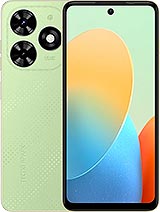
Spark Go 2024
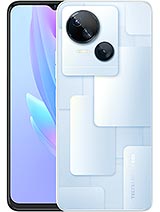
Spark 10 5G
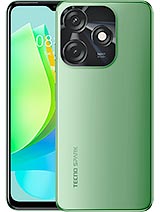
Spark 10C
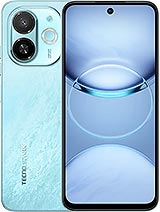
Spark 30C 5G
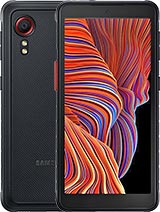
Galaxy XCover 7