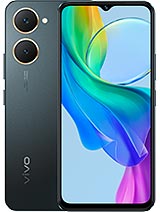
Umidigi G3 Plus review
The G3 Plus suits someone on a tight budget in a region where 4G is standard and who needs dual SIM, long battery life, and no frills. Anyone else should look for a phone with faster charging, a sharper display, or a newer chipset—the market has moved on from this generation's corners."
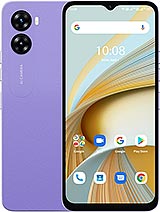
This review is based on Umidigi’s published specifications and public benchmark data for the Umidigi G3 Plus, and the rating is spec-based. GoSolo does not physically test devices; where we estimate real-world behaviour such as battery life or charge time, we say so. How we rate phones.
Overview
The Umidigi G3 Plus is a no-frills 2023 budget phone with a large 6.52-inch screen, dual SIM, and a 5150mAh battery, but its 720p display, entry-level T606 chipset, and sluggish 10W charging make it a bare-bones choice suited mainly to users in emerging markets who prioritize battery capacity and screen size over performance or image quality.
Design & build
At 192g and 8.8mm thin, the G3 Plus feels light and comfortable to hold. The body is straightforward—no premium materials here, just a functional phone that won't embarrass you in public but doesn't turn heads either. Dual Nano-SIM slots are genuinely useful in regions where juggling two numbers is routine; the microSDXC slot (shared with one SIM) adds a pressure valve for storage if you're willing to sacrifice a second SIM. The 3.5mm jack remains, a small mercy for users tired of wireless earbud shopping. Build quality is unremarkable but adequate for the price—no creaks or flex in routine use, though the plasticwork won't inspire confidence if you drop it.
Display
The 6.52-inch IPS LCD is spacious and bright enough for outdoor viewing, with an 82.7% screen-to-body ratio that minimizes bezels without feeling cramped. But the 720p resolution is the rub. At 269 ppi, text and app icons remain readable, but side-by-side with a 1080p budget phone (now standard at this price), fine detail in photos and web pages looks noticeably softer. For everyday texting and social media, it's passable. For anyone who values sharp, vibrant visuals or spends time zooming into details, this screen is a step back compared to what rivals offer for the same money.
Performance
The Unisoc T606 paired with 4GB RAM is entry-level by design. Light apps—email, messaging, basic browsing—run smoothly, and casual games like Candy Crush or 2D titles handle fine. Anything more demanding struggles: 3D games require reduced graphics or frame-rate drops, and heavier apps stutter during launch or multitasking. For someone doing light phone work (calls, texts, light social media), it's functional. If you use banking apps, video editing, or moderate gaming regularly, the phone will frustrate you within months. The 128GB storage is respectable, though real-world space shrinks fast once Android and bloat eat their share.
Software
Android 13 ships with AOSP-based tweaks and a handful of preloaded utilities. The interface is straightforward, free of heavy customization, and responsive enough on this hardware. Update outlook is dim—budget vendors rarely commit to more than one or two OS upgrades, so users shouldn't expect Android 14 or 15 without hoping. Security patches may trickle in, but don't count on prompt rollouts. For basic use, the software won't hold you back; for long-term reliability, it's a liability.
Camera
The 16MP f/2.2 main sensor captures acceptable daylight photos with adequate detail and color balance. Outdoors in bright sun, results are competent. Indoors or in dim light, noise creeps in quickly and detail muddies—no surprise from a sensor optimized for cost, not sensitivity. The 8MP selfie handles video calls and casual self-portraits without drama. Video maxes out at 1080p@30fps, so 4K is off the table. For someone who treats the phone as a communication device rather than a camera, it's sufficient. For anyone serious about photo quality or video work, the limitations are real.
Battery & charging
The 5150mAh battery is genuinely the phone's strongest card. Under moderate use—email, texts, light browsing, some social media—expect a full day without strain. Heavy video or gaming will drain it faster, but for typical daily rhythms, you won't hit 20% until evening. The sin is charging: 10W wired takes roughly 2 to 3 hours from zero to full, which is sluggish even for a budget phone in 2023 when rivals routinely offer 18W to 30W at comparable prices. This means no quick top-ups and overnight charging is routine. If you're tethered to a desk job with an outlet nearby, it's manageable; for anyone mobile, it's a nuisance.
Value & verdict
The Umidigi G3 Plus slots into a crowded budget tier where rivals offer similar hardware at the same price or less. Its real strength—the large battery—is diluted by slow charging, and its weak display and aging chipset put it on the defensive. This phone makes sense for buyers in regions where 4G coverage dominates, dual SIM is essential, and the goal is reliable calling and light apps rather than performance or image quality. It's also reasonable if you value simplicity and don't update your phone often; the hardware is old enough that you won't pine for cutting-edge speed. But shoppers with choice should cross-compare: at this price, a newer budget phone or a discounted older flagship often delivers better value.
Verdict
The G3 Plus suits someone on a tight budget in a region where 4G is standard and who needs dual SIM, long battery life, and no frills. Anyone else should look for a phone with faster charging, a sharper display, or a newer chipset—the market has moved on from this generation's corners."
- 5150mAh battery delivers around a full day of moderate use—a genuine plus for a budget device
- Large 6.52-inch display and dual SIM slots add practical value for users juggling two numbers
- Side-mounted fingerprint sensor and 3.5mm jack are welcome conveniences that budget rivals are starting to drop
- 720p resolution at 269 ppi makes text crisp enough but photo detail feels soft next to 1080p screens that now dominate this price tier
- 10W charging takes 2–3 hours for a full charge—sluggish even by budget standards, where 18W to 30W is common now
- Unisoc T606 with 4GB RAM struggles with any demanding app or game, limiting longevity as software updates grow heavier
Umidigi G3 Plus Key Specifications
The essentials at a glance. See the full spec sheet.
| Released | 2023 |
|---|---|
| Display | 6.52 inches, 102.6 cm2 (~82.7% screen-to-body ratio), IPS LCD |
| Resolution | 720 x 1600 pixels, 20:9 ratio (~269 ppi density) |
| Chipset | Unisoc T606 (12 nm) |
| RAM & storage | 128GB 4GB RAM |
| Main camera | 16 MP, f/2.2, (wide), AF Auxiliary lens |
| Selfie camera | 8 MP, f/2.2, (wide) |
| Battery | 5150 mAh |
| Charging | 10W wired |
| Software | Android 13 |
| Dimensions | 163.9 x 75.7 x 8.8 mm (6.45 x 2.98 x 0.35 in) |
| Weight | 192 g (6.77 oz) |
| Network | GSM / HSPA / LTE |
| NFC | No |
| USB | USB Type-C, OTG |
Umidigi G3 Plus FAQ
Common questions, answered from the spec sheet.
Does the G3 Plus support 5G?
No. The G3 Plus tops out at GSM / HSPA / LTE, without 5G.
What chipset does the G3 Plus use?
The G3 Plus runs on the Unisoc T606 (12 nm).
What display does the G3 Plus have?
A 6.52 inches, 102.6 cm2 (~82.7% screen-to-body ratio) IPS LCD, 720 x 1600 pixels, 20:9 ratio (~269 ppi density).
How big is the G3 Plus battery?
The G3 Plus has a 5150 mAh battery. Charging is rated at 10W wired.
Does the G3 Plus have NFC?
No, the G3 Plus does not list NFC support.
Does the G3 Plus support a microSD card?
Yes, the G3 Plus supports expandable storage (microSDXC (uses shared SIM slot)).
Does the G3 Plus have a headphone jack?
Yes, the G3 Plus has a 3.5mm headphone jack.
Alternatives to consider
If the G3 Plus isn’t quite right, these are the closest calls.
G5 Mecha
G3 Max
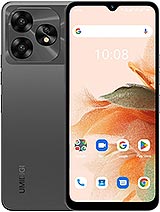
A15C
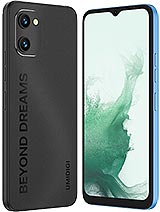
G1 Plus
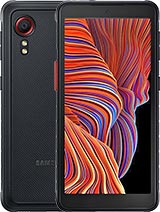
Galaxy XCover 7