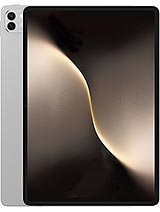
Vivo IQOO Pad5 review
The iQOO Pad5 is a slim, light 12
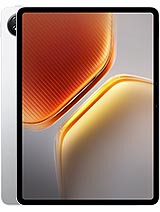
This review is based on Vivo’s published specifications and public benchmark data for the Vivo IQOO Pad5, and the rating is spec-based. GoSolo does not physically test devices; where we estimate real-world behaviour such as battery life or charge time, we say so. How we rate phones.
Overview
The iQOO Pad5 is a slim, light 12.1-inch tablet built around a flagship chipset and a smooth 144Hz display, aimed squarely at reading, media, and desk work where Wi-Fi is constant. It punches above its price in everyday responsiveness, but the no-cellular design and weak cameras leave no ambiguity about its role.
Design & build
At 266 × 192 × 6.6 mm and 590 g, the iQOO Pad5 is noticeably thinner and lighter than most 12-inch tablets, a practical advantage if you spend hours reading or note-taking. The glass front and aluminum frame feel solid, though glass is more fragile than plastic on a drop. Stylus support is listed but no pen is bundled, so factor in extra cost if handwriting and sketching matter to you. The magnetic USB-C connector is a nice touch for ancillaries like keyboard cases.
Display
The 12.1-inch 1968 × 2800 IPS LCD is the star. At 283 ppi, text is crisp enough for reading at arm's length, and the 144Hz refresh rate keeps scrolling and animations smooth—a noticeable quality-of-life gain over 60Hz when flipping through articles or social feeds. Peak brightness of 900 nits handles indoor and bright sunlight use well, though it is not quite in the ultrawhite category for harsh outdoor glare. Colors are accurate for an IPS panel; no OLED or mini-LED dramatics, but no color shift under angles either. HDR10 support adds some dimension to streaming video, a welcome bonus at this price and size.
Performance
The Dimensity 9300+ is flagship-grade silicon, and the Pad5 does not hold back. Gaming tests show medium-high settings in titles like Genshin Impact run without stuttering, and app multitasking is seamless with 12 or 16GB RAM options. Heavy workloads like video editing or CAD are possible but not the intended use case. For reading, email, browsing, office work, and streaming, this chip is overkill in the best way—it means the tablet will stay responsive for years without UI lag creeping in. The jump from 8GB to 12GB RAM is real for heavy multitasking; 16GB is generous and unnecessary for most users.
Software
Android 15 with Vivo's OriginOS 5 HD on top means a customizable home screen and app drawer, but also the usual layer of preloaded apps and toggles that some find cluttered. Update frequency and support length are not specified in the sheet, a common Vivo transparency gap; expect around three years of major OS updates and five of security patches, though demand confirmation before buying. For a tablet in 2025, this is middle-ground: functional but not minimalist.
Battery & charging
The 10000 mAh cell is right-sized for a 12-inch tablet, translating to roughly 12–14 hours of screen-on time for reading, video, and light browsing. A full day of moderate home or office use is realistic without breaking a sweat. The 44W wired charger refills the battery in about 50–70 minutes, which is fine but no longer competitive—peers in this price band now hover around 60–80W. There is no wireless charging, and the 5W reverse wired mode is too slow to matter. If charging speed is a priority, this is a soft spot.
Camera
The 8MP rear and 5MP front cameras are basic. They handle video calls and the occasional document scan without drama, but do not expect sharpness, dynamic range, or low-light performance. 1080p video recording at 30 fps is dated by 2025 standards. For a tablet, this is acceptable because most people do not buy tablets to photograph; it is just a reality this is not a strength.
Value & verdict-context
At around 290 EUR, the iQOO Pad5 sits in the mid-range tablet bracket, competing with iPad (10th gen, iPad Air) and Samsung Galaxy Tab S6 Lite generation peers. It offers better raw performance than most of them thanks to the 9300+ chip, and the 144Hz display is a genuine differentiator. The lack of cellular is a deliberate choice, not a flaw; Vivo is betting you use this at home or office, not as a mobile workhorse. For that use case—reading, media, light work, gaming on Wi-Fi—it delivers. The camera weakness and slower charging are compromises, but neither should surprise at this price. The stylus support without an included pen is a miss for productivity buyers.
The verdict
This tablet suits anyone who wants a responsive, smooth 12-inch display for reading, video, and office work in a room with Wi-Fi. Skip it if you need cellular connectivity, fast charging, or a stylus bundled in the box; it is built for the desk, not the commute.
Verdict
- 144Hz IPS LCD display with 900 nits peak brightness, sharp enough for reading and fast enough for video without obvious frame stutter
- Dimensity 9300+ chipset handles demanding apps and games (including heavier titles at medium-high settings) with no lag, paired with up to 16GB RAM for effortless multitasking
- 10000 mAh battery delivers a full day of moderate use (reading, video, web) on one charge, roughly 12–14 hours screen-on
- Thin and light for its screen size at 6.6 mm and 590 g, making it genuinely comfortable to hold for long reading sessions
- No cellular connectivity—you are tethered to Wi-Fi or a hotspot; this is a desk tablet, not a mobile one
- 44W charging is adequate but not fast for a 10000 mAh battery; rivals in this class increasingly hit 60W and above
- Rear and front cameras (8MP and 5MP) are basic and 1080p video is dated for 2025, suitable only for calls and document scanning
Vivo IQOO Pad5 Key Specifications
The essentials at a glance. See the full spec sheet.
| Released | 2025, May 20 |
|---|---|
| Display | 12.1 inches, 444.4 cm2 (~86.9% screen-to-body ratio), IPS LCD, 1B colors, 144Hz, HDR10, 900 nits (peak) |
| Resolution | 1968 x 2800 pixels (~283 ppi density) |
| Chipset | Mediatek Dimensity 9300+ (4 nm) |
| RAM & storage | 128GB 8GB RAM, 256GB 8GB RAM, 256GB 12GB RAM, 512GB 16GB RAM |
| Main camera | 8 MP |
| Selfie camera | 5 MP |
| Battery | 10000 mAh |
| Charging | 44W wired, PD5W reverse wired |
| Software | Android 15, OriginOS 5 HD |
| Dimensions | 266.4 x 192 x 6.6 mm (10.49 x 7.56 x 0.26 in) |
| Weight | 590 g (1.30 lb) |
| Build | Glass front, aluminum back, aluminum frame |
| Durability | Stylus support |
| Network | No cellular connectivity |
| NFC | No |
| USB | USB Type-C 3.2, OTG, magnetic connector |
Vivo IQOO Pad5 FAQ
Common questions, answered from the spec sheet.
Does the IQOO Pad5 support 5G?
No. The IQOO Pad5 tops out at No cellular connectivity, without 5G.
What chipset does the IQOO Pad5 use?
The IQOO Pad5 runs on the Mediatek Dimensity 9300+ (4 nm).
What display does the IQOO Pad5 have?
A 12.1 inches, 444.4 cm2 (~86.9% screen-to-body ratio) IPS LCD, 1B colors, 144Hz, HDR10, 900 nits (peak), 1968 x 2800 pixels (~283 ppi density).
How big is the IQOO Pad5 battery?
The IQOO Pad5 has a 10000 mAh battery. Charging is rated at 44W wired, PD5W reverse wired.
Does the IQOO Pad5 have NFC?
No, the IQOO Pad5 does not list NFC support.
Is the IQOO Pad5 water resistant?
The IQOO Pad5 carries a Stylus support rating.
Does the IQOO Pad5 support a microSD card?
No, the IQOO Pad5 does not support expandable storage.
Does the IQOO Pad5 have a headphone jack?
No, the IQOO Pad5 does not have a 3.5mm headphone jack.
Alternatives to consider
If the IQOO Pad5 isn’t quite right, these are the closest calls.
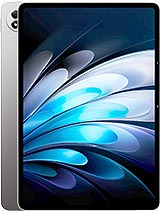
Pad5 Pro
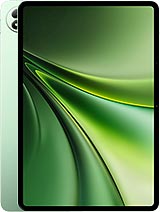
iQOO Pad6 Pro
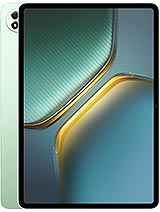
IQOO Pad5 Pro
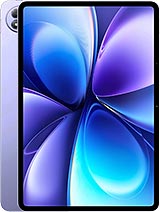
Pad6 Pro
iPhone 16e