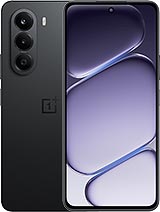
Vivo iQOO Z11x review
This phone makes sense for buyers who spend time outdoors or travel, value a phone that won't die before day's end, and don't mind slower charging in exchange for durability. Skip it if you need a sharp display, fast charging, or camera range.

This review is written with AI assistance from Vivo’s published specifications and public benchmark data for the Vivo iQOO Z11x, and the rating is spec-based. GoSolo does not physically test devices; where we estimate real-world behaviour such as battery life or charge time, we say so. How we rate phones.
Overview
The iQOO Z11x is a straightforward midrange phone built for daily use and casual gaming, with a large display, solid battery, and solid build for the price. For ₹24,999 in India, it delivers dependable performance and long battery life without pretending to be something it isn't.
Design & Build
At 8.4mm thick and 219g, the iQOO Z11x feels slim and manageable in hand—a welcome trait in a 6.76-inch phone that could easily feel bulky. The glass front with plastic frame and back is standard for this price tier and cuts weight without feeling cheap. The IP68/IP69 rating is a genuine perk, offering full dust resistance and the ability to survive high-pressure water jets, which is rarer in budget-focused devices at this price. The build materials suggest this won't feel premium, but they're practical; plastic resists scratches better than glass over time, and there's no pretense here. The side-mounted fingerprint sensor is fast and responsive enough for daily unlock.
Display
The 6.76-inch IPS LCD with 1080p resolution hits 382 ppi density, which is adequate but noticeably softer than the 1440p screens you find in upper-midrange rivals now. At 120Hz and 1200 nits peak brightness (HBM), it handles outdoor visibility and scrolling smoothly. An 85.8% screen-to-body ratio is solid framing for a phone without ultra-thin bezels. IPS LCD is dated tech by 2026 standards—AMOLED is now common even at this price in many markets—but the brightness and 120Hz refresh compensate for the lack of deep blacks. It's functional and bright, not impressive.
Performance
The Dimensity 7400 Turbo is a solid upper-midrange chipset capable of everything this phone promises: smooth everyday use, casual to moderate gaming, and no stutters in apps you'd actually use. The Mali-G615 GPU handles current games at medium settings without fanfare. Storage tops out at 512GB UFS 3.1, and the RAM ladder (6GB to 12GB) covers all bases; 8GB is the sensible choice for this phone's workload. You won't hit any walls using this phone for typical work, messaging, video, and light gaming. It's not a gaming phone or a productivity beast, just honest midrange silicon that does the job—which is all most buyers in this segment need.
Software
Android 16 with OriginOS 6 is the current stack, and Vivo's customization layer is less intrusive than it once was. Feature-wise it's standard: notifications, shortcuts, customizable widgets. OriginOS sits between stock and heavily skinned alternatives; expect Vivo bloatware to be present but manageable. Updates depend on your region and carrier, but Vivo typically supports devices for 2–3 years here. Nothing stands out positively or negatively compared to the middling state of Android skins in 2026.
Camera
The 50MP main sensor with f/1.8 aperture and 1/2.93-inch size is typical for midrange phones; the PDAF helps focus reliably in good light. Real-world shots are clean and well-exposed in daylight, though the 1/2.93 sensor size limits low-light detail compared to flagships. There's no ultrawide, macro, or telephoto—just the 50MP wide camera—which cuts down versatility but keeps cost low. The 32MP selfie is fine for video calls and casual portraits. 4K video at 30fps is standard fare, and gyro-EIS steadies footage acceptably. For a budget phone, it captures what you need; don't expect professional-grade color or zoom reach.
Battery & Charging
The 7200mAh battery is the real strength here. In a 219g phone, it should deliver two full days of moderate use or a solid day of heavier use, which is above the midrange norm. Charging maxes out at 44W (per the spec sheet), which is fine but unexciting by 2026 standards; rivals at this price often hit 65–100W now, meaning full charge takes longer. With a 7200mAh battery and 44W charging, expect about 90–110 minutes to full from empty, which is slow compared to faster alternatives. The tradeoff is battery longevity—a large-capacity cell charged slowly ages better—but most buyers prioritize speed over lifespan.
Value & Verdict-Context
At ₹24,999, the iQOO Z11x slots into India's core midrange segment, competing with phones like the Redmi Note 14, Samsung Galaxy A16, and OnePlus Nord. It doesn't outspec them uniformly: the battery is larger, the display is adequately bright, and the IP68 rating is a plus. The 44W charging and IPS LCD (vs AMOLED on some rivals) are backwards steps. The camera is workmanlike, not a selling point. This phone succeeds by being well-rounded without false claims. If you spend a lot of time outdoors, value durability, and want battery that lasts into day two, it makes sense. If charging speed or a sharper display matter more, look elsewhere.
Verdict
This phone makes sense for buyers who spend time outdoors or travel, value a phone that won't die before day's end, and don't mind slower charging in exchange for durability. Skip it if you need a sharp display, fast charging, or camera range.
- 7200mAh battery delivers genuine two-day battery life, which sets it apart from thinner competitors
- IP68/IP69 water and dust resistance is uncommon at this price point and adds real durability value
- 1200-nit peak brightness and 120Hz IPS LCD are adequate for outdoor visibility and smooth scrolling
- Compact and light at 8.4mm and 219g, easy to pocket for a 6.76-inch phone
- 44W charging is slow for 2026 midrange; rivals now hit 65–100W, meaning full charge takes 90+ minutes
- 1080p IPS LCD looks soft next to AMOLED displays that are now standard at this price in many markets
- No ultrawide, macro, or telephoto camera—only the 50MP main—limits versatility for varied shots
Vivo iQOO Z11x Key Specifications
The essentials at a glance. See the full spec sheet.
| Released | 2026, March 12 |
|---|---|
| Display | 6.76 inches, 112.1 cm2 (~85.8% screen-to-body ratio), IPS LCD, 120Hz, 1200 nits (HBM) |
| Resolution | 1080 x 2344 pixels, 19.5:9 ratio (~382 ppi density) |
| Chipset | Mediatek Dimensity 7400 Turbo (4 nm) |
| RAM & storage | 128GB 6GB RAM, 128GB 8GB RAM, 256GB 8GB RAM, 256GB 12GB RAM, 512GB 12GB RAM |
| Main camera | 50 MP, f/1.8, (wide), 1/2.93", PDAF Auxiliary lens |
| Selfie camera | 32 MP, f/2.5, (wide) |
| Battery | 7200 mAh |
| Software | Android 16, OriginOS 6 |
| Dimensions | 166.6 x 78.4 x 8.4 mm (6.56 x 3.09 x 0.33 in) |
| Weight | 219 g (7.72 oz) |
| Build | Glass front, plastic frame, plastic back |
| Durability | IP68/IP69 dust tight and water resistant (high pressure water jets; immersible up to 1.5m for 30 min) |
| Network | GSM / HSPA / LTE / 5G |
| NFC | Yes (market/region dependent) |
| USB | USB Type-C 2.0, OTG |
Vivo iQOO Z11x FAQ
Common questions, answered from the spec sheet.
Does the iQOO Z11x support 5G?
Yes. The iQOO Z11x supports 5G networks.
What chipset does the iQOO Z11x use?
The iQOO Z11x runs on the Mediatek Dimensity 7400 Turbo (4 nm).
What display does the iQOO Z11x have?
A 6.76 inches, 112.1 cm2 (~85.8% screen-to-body ratio) IPS LCD, 120Hz, 1200 nits (HBM), 1080 x 2344 pixels, 19.5:9 ratio (~382 ppi density).
How big is the iQOO Z11x battery?
The iQOO Z11x has a 7200 mAh battery.
Does the iQOO Z11x have NFC?
Yes, the iQOO Z11x has NFC.
Is the iQOO Z11x water resistant?
The iQOO Z11x carries a IP68/IP69 dust tight and water resistant (high pressure water jets; immersible up to 1.5m for 30 min) rating.
Does the iQOO Z11x support a microSD card?
No, the iQOO Z11x does not support expandable storage.
Alternatives to consider
If the iQOO Z11x isn’t quite right, these are the closest calls.

iQOO Z11x (China)

iQOO Z11S
IQOO Pad5c

iQOO Z11
Galaxy A37