Vivo iQOO Z9s Pro review
The Z9s Pro suits buyers who spend most of their time on social media, video streaming, and browsing, and who value a bright, smooth display and light design over gaming power. Those who game seriously or want the sharpest possible screen should look at competitors with more powerful chips or 1440p displays at comparable or even lower prices.

This review is based on Vivo’s published specifications and public benchmark data for the Vivo iQOO Z9s Pro, and the rating is spec-based. GoSolo does not physically test devices; where we estimate real-world behaviour such as battery life or charge time, we say so. How we rate phones.
Overview
The Z9s Pro pairs a bright, smooth 6.77-inch AMOLED screen with the mid-range Snapdragon 7 Gen 3, making it well-suited for media consumption and everyday apps, but it struggles with heavy gaming and offers nothing visibly better than rivals at this price. The 80W charging and 5500mAh battery mean you'll reach half-charge quickly, though you'll still need daily top-ups with moderate to heavy use.
Design & build
At 163.7 × 75mm and 7.5mm thick, the Z9s Pro feels slim for its 6.77-inch footprint, and 185–190g keeps it light enough for all-day carrying without fatigue. The build quality appears solid thanks to Schott Xensation glass and an IP64 rating that protects against dust and water splashes, though it won't survive submersion or high-pressure jets. The dual nano-SIM setup works for regional users, but there's no microSD slot to expand storage. The bezels are minimal, and the 90.3% screen-to-body ratio means you're getting maximum display per physical device, which is the point at this size.
Display
The 6.77-inch AMOLED screen is easily the phone's strongest feature. The 120Hz refresh rate keeps scrolling through social feeds and web pages buttery smooth compared to 60Hz rivals, and the 4500-nit peak brightness means strong sunlight won't wash out content—you can actually read it outdoors without squinting. The 1080 × 2392 resolution translates to 388ppi, which is acceptable but not sharp; hold it close and you'll notice pixellation compared to 1440p competitors at similar prices. That said, for most people browsing at arm's length, the screen looks good. HDR10+ support and 1 billion colours mean streaming video and photos display with natural tones, and the Schott glass adds scratch resistance for everyday wear.
Performance
The Snapdragon 7 Gen 3 is a capable upper-midrange chip that handles daily tasks—messaging, browsing, social media, light video editing—without lag. Apps open quickly, multitasking feels responsive, and the 8GB or 12GB RAM options both manage typical workloads easily. However, demanding games like Genshin Impact or Honkai Star Rail require medium-detail settings, not maxed-out graphics; you'll see frame dips in complex scenes if you push for ultra settings. The Adreno 720 GPU is respectable for the class, but processors like the Snapdragon 8 Gen 1 or MediaTek Dimensity 9300 offer noticeably smoother gaming and often cost only 50–100 EUR more in competing devices. For casual gamers and everyday users, it's sufficient; for mobile gamers who want maximum frame rates and visuals, it's a compromise.
Software
Android 14 runs underneath Vivo's Funtouch 14 skin, which adds customisation options but also bloat. You get up to two major Android upgrades, meaning this phone will likely see Android 16 before support ends, which is standard for mid-range devices in 2024. The update policy is honest but not generous; flagships at this price sometimes offer three or four years of OS updates.
Camera
The 50MP main sensor with an f/1.8 aperture, 1/1.95-inch size, and optical image stabilisation produces steady, well-balanced daylight photos and handles low-light scenarios better than typical entry-level phones. The 0.8µm pixel size suggests strong light sensitivity, and PDAF autofocus is fast and reliable. The 8MP ultrawide with 120-degree field of view is a landscape workhorse but lacks detail; there's no telephoto lens, so zoomed shots rely on digital upscaling and lose clarity. Video recording tops out at 4K 30fps with gyro-EIS and OIS, which is fine for casual vlogging but won't challenge phones targeting content creators. The 16MP selfie camera is adequate for video calls and casual social-media posts but not exceptional. Overall, it's an everyday camera that shines in good light but doesn't stand apart from rivals.
Battery & charging
The 5500mAh capacity paired with the mid-range Snapdragon 7 Gen 3 and AMOLED screen yields roughly one full day of moderate use—browsing, messaging, and streaming—before needing a charge. Heavy daily use or gaming will deplete it by mid-afternoon, and some users will find themselves hunting for a charger by evening. The 80W wired charging is the standout: you'll hit 50% capacity in just 21 minutes, making a quick top-up before leaving home practical. Full charge takes roughly 40–50 minutes, which is competitive. The lack of wireless charging is standard for this price tier, and the 7.5W reverse charging is too slow to matter.
Value & verdict
At around 270 EUR, the Z9s Pro occupies a crowded segment. The bright AMOLED display and fast charging justify the price for buyers who prioritise screen quality, but the Snapdragon 7 Gen 3 and 1080p resolution are becoming less compelling as rivals pack more powerful chips or sharper screens at the same cost. There's nothing wrong with it, but there's nothing that makes you forget competitors exist either. It's a solid choice if you find it on sale or if local availability favours it, but shoppers with flexibility should compare it against phones carrying the Snapdragon 8 Gen 1 or equivalent, which often cost only slightly more and deliver noticeably better gaming and performance headroom for the next two years.
Verdict
The Z9s Pro suits buyers who spend most of their time on social media, video streaming, and browsing, and who value a bright, smooth display and light design over gaming power. Those who game seriously or want the sharpest possible screen should look at competitors with more powerful chips or 1440p displays at comparable or even lower prices.
- Bright AMOLED display with 120Hz refresh and 4500-nit peak brightness makes outdoor visibility and scrolling a strong point for this price band
- Fast 80W charging reaches 50% in 21 minutes, practical for quick top-ups before leaving home
- Slim 7.5mm body at 185–190g keeps it light and pocketable despite the large screen
- Steady 50MP main camera with f/1.8 aperture and optical stabilisation handles everyday shots and low-light scenarios competently
- Snapdragon 7 Gen 3 demands medium-detail settings in demanding games like Genshin Impact; rivals with Snapdragon 8 Gen 1 or MediaTek flagship chips cost only slightly more in some markets
- 5500mAh battery requires daily charging even with moderate use; mixed browsing and media drain it by evening
- 1080p resolution on a 6.77-inch screen leaves 388ppi density noticeable to close viewers, common in this price tier but less sharp than competitors offering 1440p
Vivo iQOO Z9s Pro Key Specifications
The essentials at a glance. See the full spec sheet.
| Released | 2024, August 21 |
|---|---|
| Display | 6.77 inches, 110.9 cm2 (~90.3% screen-to-body ratio), AMOLED, 1B colors, 120Hz, HDR10+, 4500 nits (peak) |
| Resolution | 1080 x 2392 pixels (~388 ppi density) |
| Chipset | Qualcomm SM7550-AB Snapdragon 7 Gen 3 (4 nm) |
| RAM & storage | 128GB 8GB RAM, 256GB 8GB RAM, 256GB 12GB RAM |
| Main camera | 50 MP, f/1.8, (wide), 1/1.95", 0.8µm, PDAF, OIS 8 MP, f/2.2, 120˚ (ultrawide) |
| Selfie camera | 16 MP, f/2.5, (wide), 1/3.0", 1.0µm |
| Battery | 5500 mAh |
| Charging | 80W wired, 50% in 21 min7.5W reverse wired |
| Software | Android 14, up to 2 major Android upgrades, Funtouch 14 |
| Dimensions | 163.7 x 75 x 7.5 or 8.0 mm |
| Weight | 185 g or 190 g (6.53 oz) |
| Durability | IP64 dust tight and water resistant (water splashes) |
| Network | GSM / HSPA / LTE / 5G |
| NFC | No |
| USB | USB Type-C 2.0, OTG |
Vivo iQOO Z9s Pro FAQ
Common questions, answered from the spec sheet.
Does the iQOO Z9s Pro support 5G?
Yes. The iQOO Z9s Pro supports 5G networks.
What chipset does the iQOO Z9s Pro use?
The iQOO Z9s Pro runs on the Qualcomm SM7550-AB Snapdragon 7 Gen 3 (4 nm).
What display does the iQOO Z9s Pro have?
A 6.77 inches, 110.9 cm2 (~90.3% screen-to-body ratio) AMOLED, 1B colors, 120Hz, HDR10+, 4500 nits (peak), 1080 x 2392 pixels (~388 ppi density).
How big is the iQOO Z9s Pro battery?
The iQOO Z9s Pro has a 5500 mAh battery. Charging is rated at 80W wired, 50% in 21 min7.5W reverse wired.
Does the iQOO Z9s Pro have NFC?
No, the iQOO Z9s Pro does not list NFC support.
Is the iQOO Z9s Pro water resistant?
The iQOO Z9s Pro carries a IP64 dust tight and water resistant (water splashes) rating.
Does the iQOO Z9s Pro support a microSD card?
No, the iQOO Z9s Pro does not support expandable storage.
Does the iQOO Z9s Pro have a headphone jack?
No, the iQOO Z9s Pro does not have a 3.5mm headphone jack.
Alternatives to consider
If the iQOO Z9s Pro isn’t quite right, these are the closest calls.

iQOO Z9s

S20

Y500 Pro

iQOO Z10
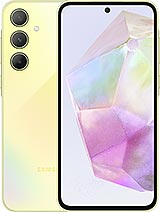
Galaxy A35 5G