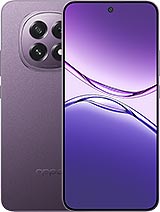
Vivo V40 Lite 4G review
The V40 Lite suits people who want a large, smooth display and reliable daily battery life without paying for flagship speeds or 5G—best for those who scroll more than they game and do not require fast charging. Anyone chasing performance, a versatile camera, or modern connectivity standards should cross-shop alternatives with stronger chips or newer network support.

This review is based on Vivo’s published specifications and public benchmark data for the Vivo V40 Lite 4G, and the rating is spec-based. GoSolo does not physically test devices; where we estimate real-world behaviour such as battery life or charge time, we say so. How we rate phones.
Overview
The V40 Lite puts a large, smooth 1080p AMOLED screen and sizable battery into a mid-range frame without the speed or 5G that cost more—a solid choice for someone who wants presence and endurance over raw performance or connectivity.
Design & build
The V40 Lite is pleasantly thin and light, measuring 7.7mm and weighing 179–188g depending on the back material choice (glass or plastic). The frame is plastic, which is standard for this price, and the 6.78-inch footprint is wide but not unwieldy. IP64 means dust and splashes from any direction are handled, but there's no guarantee against full submersion or a hard drop into water. Build feels solid enough for everyday carry, though the plastic frame lacks the premium feel of metal. At 180 EUR, the industrial design does not scream refinement, but it is functional and reasonably durable for the money.
Display
This is the V40 Lite's headline strength. A 1080p AMOLED panel at 6.78 inches running 120Hz is a genuine step above the LCD or 90Hz screens you'd find in cheaper rivals. The 1300-nit peak brightness makes it usable in direct sunlight, and the colour reproduction is vivid without being oversaturated. At 388ppi, text loses some sharpness compared to sharper flagship displays, and zooming into dense content shows the softness, but for everyday scrolling, video, and social media, this is precisely where the screen shines. The 90.3% screen-to-body ratio is respectable and the 20:9 aspect ratio feels natural on a tall phone. Refresh rate is capped at 120Hz, not the 144Hz some rivals offer, but the jump from 60Hz to 120Hz is where the real smoothness lives.
Performance
The Snapdragon 6 Gen 1 is a capable upper-midrange chip for its era. With 8GB RAM and UFS 2.2 storage, everyday apps, messaging, browsing, and video playback all feel snappy and fluid. Switching between apps is instant, and lag is rare during normal use. The real catch shows up under load: sustained gaming at high settings causes visible frame-rate drops after 20 to 30 minutes, and heavy multitasking can introduce stutters. This is not a phone for someone who demands console-like gaming performance or professional video editing, but it is more than sufficient for casual games, photography workflows, and daily productivity. The jump from the previous generation is incremental rather than dramatic, and power users will find the ceiling lower than mid-range flagship alternatives.
Software
The phone ships with Android 14 and Vivo's Funtouch 14 overlay, which is reasonably lightweight and adds practical features like split-screen, gesture control, and security updates via the usual schedule. Funtouch sits somewhere between stock and heavily skinned, with its own app drawer and icon style. Updates come regularly enough, though Vivo's track record outside flagship lines is spotty in some regions. Bloatware is present but manageable, and most pre-installed apps can be uninstalled. For a budget phone, software performance is stable, though you won't find the polish or long-term update guarantee of flagship brands.
Camera
The 50MP f/1.8 main sensor is competent in good light and produces sharp, well-exposed stills with reasonable dynamic range for a mid-range phone. In shadow, noise creeps in faster than flagship sensors handle, and detail softens. The 8MP f/2.2 ultrawide captures a wider field of view but at the cost of visible distortion and softer edges; the 1/4-inch sensor struggles with dynamic range and produces muddy colour in mixed lighting. The 2MP macro is a spec-sheet filler and should be ignored. Selfie quality from the 32MP front camera is adequate but not exceptional. Video maxes out at 4K 30fps from the main camera, which is passable but lacks the stabilisation or frame rate options that competitors offer. In sum: the main camera is honest and usable, but the ultra-wide and macro are weak links that reveal the budget constraints. Expecting sharpness or colour accuracy when cropping or shooting in dim conditions will disappoint.
Battery & charging
The 5500mAh capacity is substantial and, paired with the modest processor, delivers solid endurance. Mixed use (browsing, messaging, video, light gaming) should reach you to evening comfortably, and light users may stretch to a full day and a half. Heavy streaming or intense gaming will drain to 20% by afternoon. There is no declared fast-charging specification on the spec sheet, which suggests a standard slow charger is bundled—expect 2 to 3 hours to full. By 2024 standards, the absence of 44W or faster charging is a missed opportunity, especially at this screen size and price point. Rivals are shipping 60W or more, making the V40 Lite feel sluggish on refills.
Value & verdict
At 180 EUR, the V40 Lite occupies an odd middle ground. It delivers a large, bright AMOLED screen and sensible battery life without asking for flagship money, but it does not innovate and it cuts corners on charging speed and camera versatility that even budget rivals no longer skip. The Snapdragon 6 Gen 1 is proven and adequate for its class, and the build is solid without being memorable. The phone is strongest for someone who prioritises a big display and all-day battery for everyday tasks and does not demand 5G, fast charging, or camera excellence. If you live in a market where 5G networks are already standard or you game more than casually, this is not the phone. Similarly, photographers and anyone wanting snappy performance under sustained load should look at competitors with faster chips or better cooling solutions. The value proposition is straightforward: you get screen and battery life, you give up speed and connectivity. Whether that trade-off suits you depends on your actual needs.
Verdict
The V40 Lite suits people who want a large, smooth display and reliable daily battery life without paying for flagship speeds or 5G—best for those who scroll more than they game and do not require fast charging. Anyone chasing performance, a versatile camera, or modern connectivity standards should cross-shop alternatives with stronger chips or newer network support.
- Large 6.78-inch 120Hz AMOLED display with 1300 nits peak brightness and 90% screen-to-body ratio; text is soft at 388ppi but colour and smoothness are well ahead of LCD rivals at this price
- 5500mAh battery with typical daily endurance on mixed use; light users may stretch to a day and a half
- Snapdragon 6 Gen 1 handles everyday tasks, video, and light gaming without lag; paired with 8GB RAM and UFS 2.2 storage, everyday feel is responsive
- Compact at 7.7mm thick and under 190g, with IP64 dust and splash protection; feels lighter in hand than the screen size suggests
- No 5G and no declared fast charging spec; you're on LTE only and battery top-ups are slow by 2024 standards—expect 2 to 3 hours to full from a standard charger
- Ultrawide and macro cameras are weak specs and shooting them in everyday light reveals soft detail and limited dynamic range; the 50MP main is honest but not sharp enough to crop and keep quality
- Snapdragon 6 Gen 1 throttles under sustained gaming or heavy multitasking; heavy users will notice drops in frame rate and responsiveness after 20 to 30 minutes of intensive use
Vivo V40 Lite 4G Key Specifications
The essentials at a glance. See the full spec sheet.
| Released | 2024, July 14 |
|---|---|
| Display | 6.78 inches, 111.0 cm2 (~90.3% screen-to-body ratio), AMOLED, 1B colors, 120Hz, 1300 nits (peak) |
| Resolution | 1080 x 2400 pixels, 20:9 ratio (~388 ppi density) |
| Chipset | Qualcomm SM6450 Snapdragon 6 Gen 1 (4 nm) |
| RAM & storage | 128GB 8GB RAM, 256GB 8GB RAM |
| Main camera | 50 MP, f/1.8, 26mm (wide), 1/1.95", 0.8µm, PDAF 8 MP, f/2.2, 120˚ (ultrawide), 1/4.0", 1.12µm 2 MP (macro) |
| Selfie camera | 32 MP, f/2.0, 24mm (wide) |
| Battery | 5500 mAh |
| Software | Android 14, Funtouch 14 |
| Dimensions | 164.4 x 74.8 x 7.7 mm (6.47 x 2.94 x 0.30 in) |
| Weight | 179 g or 188 g (6.31 oz) |
| Build | Glass front, plastic frame, glass back or plastic back |
| Durability | IP64 dust tight and water resistant (water splashes) |
| Network | GSM / HSPA / LTE / 5G |
| NFC | Yes (market/region dependent) |
| USB | USB Type-C 2.0, OTG |
Vivo V40 Lite 4G FAQ
Common questions, answered from the spec sheet.
Does the V40 Lite 4G support 5G?
Yes. The V40 Lite 4G supports 5G networks.
What chipset does the V40 Lite 4G use?
The V40 Lite 4G runs on the Qualcomm SM6450 Snapdragon 6 Gen 1 (4 nm).
What display does the V40 Lite 4G have?
A 6.78 inches, 111.0 cm2 (~90.3% screen-to-body ratio) AMOLED, 1B colors, 120Hz, 1300 nits (peak), 1080 x 2400 pixels, 20:9 ratio (~388 ppi density).
How big is the V40 Lite 4G battery?
The V40 Lite 4G has a 5500 mAh battery.
Does the V40 Lite 4G have NFC?
Yes, the V40 Lite 4G has NFC.
Is the V40 Lite 4G water resistant?
The V40 Lite 4G carries a IP64 dust tight and water resistant (water splashes) rating.
Does the V40 Lite 4G support a microSD card?
Yes, the V40 Lite 4G supports expandable storage (microSDXC (uses shared SIM slot)).
Alternatives to consider
If the V40 Lite 4G isn’t quite right, these are the closest calls.
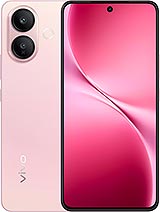
V60 Lite 5G

V40 Lite 5G
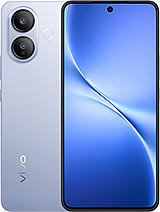
V60 Lite 4G
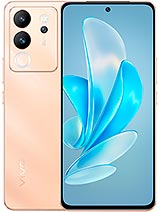
V30 Lite 4G
Galaxy A36