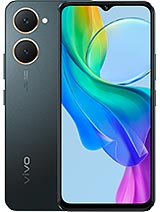
Vivo Y18i review
The Y18i suits light users on tight budgets who prioritize battery life and durability over speed or camera ambition. Anyone who multitasks regularly, games, or finds 15W charging unacceptable should spend a bit more and get a better-charged mid-range option.
This review is based on Vivo’s published specifications and public benchmark data for the Vivo Y18i, and the rating is spec-based. GoSolo does not physically test devices; where we estimate real-world behaviour such as battery life or charge time, we say so. How we rate phones.
Overview
The Vivo Y18i is a budget Android phone aimed at users who need calls, messaging, and light browsing without spending much. Slow 15W charging and entry-level performance for multitasking are the real friction points at this price.
Design & Build
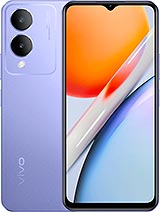
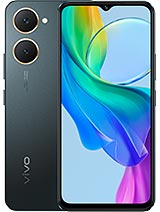
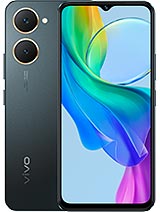
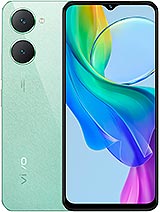
At 185g and 8.4mm, the Y18i is genuinely pocketable. Glass front meets plastic frame and back, which keeps weight down and cost lower but sacrifices dent resistance—a fair trade at €90. The real standout is IP54 rating: dust protection and splash resistance are rare at this price and add real durability for everyday life. Dual nano-SIM and a dedicated microSD slot mean you're not choosing between a second number and extra storage. The phone feels thin without feeling fragile, and Space Black or Gem Green finishes are inoffensive.
Display
The 6.56-inch IPS LCD delivers 720x1612 pixels at 269 ppi, which is sharp enough for reading text and web content without noticeable pixelation. The 90Hz refresh rate is the real win here: scrolling feels noticeably smoother than the 60Hz standard at lower price points, and it matters for daily experience more than raw resolution. At 528 nits peak brightness (high brightness mode), legibility in direct sunlight is workable but not effortless; it's bright enough to use outdoors without squinting, but not bright enough to be invisible in full sun. The 20:9 aspect ratio makes it tall without being awkward, and the 83.6% screen-to-body ratio means minimal bezels.
Performance
The Unisoc T612 is entry-level silicon: two Cortex-A75 cores at 1.8GHz and six A55 cores, paired with Mali-G57 GPU and 4GB RAM. It handles calls, messaging, social media, and video playback without stutter. Light web browsing and basic apps run without drama. The moment you ask for multitasking—multiple apps in the background while doing something else—you'll feel slowness. Gaming beyond simple 2D titles will either lag or force you to lower settings. For a user who opens one app at a time and doesn't toggle rapidly, it's adequate; for anyone juggling several tasks, it's a noticeable ceiling. This is not a phone for photo editing, complex work apps, or ambitious gaming.
Software
Android 14 with Funtouch 14 overlay ships out of the box. Funtouch adds Vivo-specific features and tweaks but doesn't dramatically bloat the interface. Updates will matter here—with 4GB RAM and modest storage, a year or two of software changes can creep up on performance. The preinstalled app load is moderate; you won't need to uninstall dozens, but a few cosmetic apps are unavoidable. For a light user, this is fine; power users accustomed to a cleaner ROM will find themselves tidying up.
Camera
The 13MP main camera with f/2.2 aperture and PDAF handles daylight shots adequately. PDAF (phase-detect autofocus) helps with focus speed and sharpness compared to older budget phones without it. In good light, detail is acceptable for social media and casual keepsakes. Low light is where the limits show: the single camera and small sensor mean noise climbs quickly and detail drops. The 5MP selfie is serviceable for video calls and casual photos. Video is capped at 1080p@30fps, which looks basic next to rivals hitting 4K or at least higher frame rates. There's no ultrawide, telephoto, or macro mode—just the one lens, which is the norm at this price but worth acknowledging if you're used to more flexibility.
Battery & Charging
The 5000mAh battery is the right size for a 6.56-inch phone this light. On moderate use—browsing, calls, messaging, some social media—expect a full day without reaching zero. Heavy video watching or gaming will drain it by evening. The problem is charging: 15W wired speed means a full recharge takes roughly 2 to 2.5 hours, which is slow by 2024 standards. Rivals at this price now hit 30W, 45W, or even 60W, cutting charge time to 45 minutes to an hour. If you charge overnight, it's not a daily friction point. If you need to top up mid-day, the wait is real.
Value & Verdict
At €90, the Y18i sits in the crowded entry budget segment where most phones now cost under €100. For the money, it offers sensible basics: decent battery, smooth scrolling display, practical ports and protection. The weaknesses—slow charging, modest performance, simple camera—aren't flaws for the job it's meant to do. The real question is whether the €90 you save versus a €120-150 budget phone elsewhere is worth living with 15W charging and entry-level performance. If you're a minimal user who opens one app at a time and can live with a long charge cycle, the Y18i delivers what it promises. If you multitask, game, or expect faster charging, spending an extra €30-40 elsewhere will feel like less of a compromise.
Verdict
The Y18i suits light users on tight budgets who prioritize battery life and durability over speed or camera ambition. Anyone who multitasks regularly, games, or finds 15W charging unacceptable should spend a bit more and get a better-charged mid-range option.
- 5000mAh battery delivers a full day on moderate use without the bloat of a heavier phone
- 90Hz IPS LCD and 528 nits brightness make scrolling smooth and the screen legible outdoors for a budget device
- Dedicated microSD slot and 3.5mm jack are practical additions most budget phones now omit
- Lightweight at 185g and thin at 8.4mm, with IP54 dust and splash protection for a €90 phone
- 15W charging is slow by 2024 standards—rivals in this tier hit 30-60W, meaning longer waits between sessions
- Unisoc T612 with 4GB RAM struggles with multitasking and any demanding app beyond light gaming
- 13MP main camera with 1080p@30fps video is basic even for budget class; distant detail and video look thin
Vivo Y18i Key Specifications
The essentials at a glance. See the full spec sheet.
| Released | 2024, August 23 |
|---|---|
| Display | 6.56 inches, 103.4 cm2 (~83.6% screen-to-body ratio), IPS LCD, 90Hz, 528 nits (HBM) |
| Resolution | 720 x 1612 pixels, 20:9 ratio (~269 ppi density) |
| Chipset | Unisoc T612 (12 nm) |
| RAM & storage | 64GB 4GB RAM |
| Main camera | 13 MP, f/2.2, (wide), PDAF Auxiliary lens |
| Selfie camera | 5 MP, f/2.2, (wide) |
| Battery | 5000 mAh |
| Charging | 15W wired |
| Software | Android 14, Funtouch 14 |
| Dimensions | 163.6 x 75.6 x 8.4 mm (6.44 x 2.98 x 0.33 in) |
| Weight | 185 g (6.53 oz) |
| Build | Glass front, plastic frame, plastic back |
| Durability | IP54 dust protected and water resistant (water splashes) |
| Network | GSM / HSPA / LTE |
| NFC | No |
| USB | USB Type-C 2.0, OTG |
Vivo Y18i FAQ
Common questions, answered from the spec sheet.
Does the Y18i support 5G?
No. The Y18i tops out at GSM / HSPA / LTE, without 5G.
What chipset does the Y18i use?
The Y18i runs on the Unisoc T612 (12 nm).
What display does the Y18i have?
A 6.56 inches, 103.4 cm2 (~83.6% screen-to-body ratio) IPS LCD, 90Hz, 528 nits (HBM), 720 x 1612 pixels, 20:9 ratio (~269 ppi density).
How big is the Y18i battery?
The Y18i has a 5000 mAh battery. Charging is rated at 15W wired.
Does the Y18i have NFC?
No, the Y18i does not list NFC support.
Is the Y18i water resistant?
The Y18i carries a IP54 dust protected and water resistant (water splashes) rating.
Does the Y18i support a microSD card?
Yes, the Y18i supports expandable storage (microSDXC (dedicated slot)).
Does the Y18i have a headphone jack?
Yes, the Y18i has a 3.5mm headphone jack.