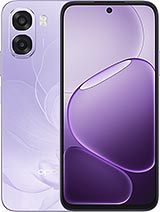
Vivo Y28 5G review
The Vivo Y28 5G suits students and budget users who prioritize all-day battery and 5G access over a sharp display or fast charging. If you need 1080p resolution, quick recharge, or a better camera, similar-priced rivals offer better value for those specific needs.
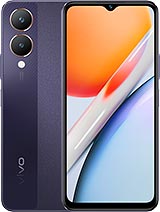
This review is based on Vivo’s published specifications and public benchmark data for the Vivo Y28 5G, and the rating is spec-based. GoSolo does not physically test devices; where we estimate real-world behaviour such as battery life or charge time, we say so. How we rate phones.
Overview
The Vivo Y28 5G is a light, long-lasting phone for students and budget-conscious users who want 5G and a big screen without paying flagship money. The tradeoffs are real: 720p resolution looks soft on the 6.56-inch display, charging is slow at 15W, and the camera is purely functional, but the 5000mAh battery easily lasts a day and a half and the overall package is reliable for the price.
Design & build
At 186g and 8.1mm thick, the Vivo Y28 5G is one of the slighter phones in its class—comfortable for one-handed use and light enough not to fatigue your pocket or hand over a full day. The build is plastic frame and back with a glass front, which feels less durable than metal but keeps costs down; IP54 splash and dust resistance means accidental water splashes won't kill it, though you cannot submerge it. The side-mounted fingerprint sensor works reliably and is quicker than in-display options on this budget hardware. There is a trade-off: the slim frame creaks slightly under pressure and feels more fragile than thicker rivals, but for students and casual users who do not abuse their phones, it holds up fine.
Display
The 6.56-inch IPS LCD is a real strength for the price: 840 nits peak brightness means it handles direct sunlight without washing out, and the 90Hz refresh rate makes scrolling smoother than fixed 60Hz competitors. The tall 20:9 aspect ratio is ideal for reading, messaging, and video without making the phone unwieldy. The problem is resolution. At 720p and 269 ppi, individual pixels are visible at normal viewing distance, especially on text and icons; by 2024 standards, this is a step backward from phones at the same price that ship with 1080p or higher. Watching videos and casual browsing mask the softness, but anyone who reads a lot of text or does photo editing will notice the graininess within days.
Performance
The MediaTek Dimensity 6020 is a mainstream midrange chip that handles everyday work without stuttering. Social media, messaging, web browsing, and standard apps run smoothly; even light gaming (PUBG, Genshin Impact at low settings) is playable without constant frame drops. Multitasking is responsive for typical use—switching between apps and having a few in the background causes no lag. Where it shows limits is in sustained 3D games and heavy video editing; frame rates dip, and demanding apps will thermal-throttle if pushed hard for more than 20–30 minutes. For its price and year, this is honest and expected; do not buy this phone if you plan to play demanding games or do professional work. The 4GB RAM base model will feel tighter than the 6GB or 8GB variants, especially if you juggle many apps at once.
Software
Funtouch 13 is Vivo's Android 13 customization, and it is a mixed bag. The interface is responsive and includes useful shortcuts (split-screen, one-handed mode, app cloning for dual accounts), but Vivo presets some third-party apps and bloatware out of the box, and the notification shade takes a few taps to fully customize. Updates are likely to arrive on time given Vivo's track record with budget lines, but do not expect more than two years of major OS updates or three years of security patches—typical for phones in this tier. If stock Android or minimal skins appeal to you, this will feel cluttered, but most users ignore the bloat and work around it without issue.
Camera
The 50MP main camera with f/1.8 aperture and PDAF delivers solid daylight shots for a phone at this price. Photos are sharp, colors are natural, and the LED flash works for dim indoor scenes. In low light, noise creeps in more than on pricier rivals, and detail softens; night mode helps but does not rival flagship results. The 8MP selfie is basic but adequate for video calls and casual selfies. A key limitation: there is no ultra-wide lens, so you cannot shoot landscapes without backing up, and no telephoto for distant subjects. Video is capped at 1080p@30fps, which is fine for social media but noticeably behind phones that offer 4K or 60fps at this price. For everyday photos and Instagram, it is fine; for any creative ambition, you will feel the limits.
Battery & charging
The 5000mAh cell is the phone's quiet strength. Paired with the efficient 720p display and midrange chipset, it easily delivers 14–20 hours of active use—roughly one to two full days of mixed work, browsing, and standby. Heavier users will see one full day; light users can stretch it to the second day. This beats thinner rivals that land on half-day battery or demand daily charging. The weakness is charging: 15W is slow by 2024 standards, taking about 90 minutes to fully recharge from empty. Rivals at this price now ship with 30W or even 45W, cutting that time roughly in half. If you charge overnight, it does not matter; if you are always rushing between classes or commutes, the slow charge will frustrate you.
Value & verdict-context
The Vivo Y28 5G sits in a crowded segment: budget 5G phones with large screens and big batteries. What it does well is battery longevity and screen size without excess thickness or weight, making it a solid choice for students and shift workers who value all-day runtime over raw power or camera prowess. The 720p resolution is the main stumbling block—it was already a compromise in 2024 and feels dated now. For the price, spending a bit more often buys you 1080p, faster charging, and a better main camera without sacrificing battery life. But if 5G coverage is good in your area, battery endurance is your priority, and you are comfortable with lower-resolution text, the Y28 5G is a capable, light daily driver that will not drain your wallet.
Verdict
The Vivo Y28 5G suits students and budget users who prioritize all-day battery and 5G access over a sharp display or fast charging. If you need 1080p resolution, quick recharge, or a better camera, similar-priced rivals offer better value for those specific needs.
- 5000mAh battery runs about 1.5–2 days on mixed use, a genuine advantage over thinner competitors
- 6.56-inch screen is bright (840 nits peak) and tall enough for comfortable reading and video without being bulky; the 20:9 ratio and 186g weight make it easy to hold one-handed
- Dimensity 6020 handles everyday apps, social media, and light gaming without lag; solid for the price tier
- 5G connectivity (sub-6, dual SIM) on a budget device; useful in cities with 5G rollout, though network coverage varies by region
- 720p resolution at 269 ppi is visibly grainy on text and fine details at arm's length; by 2024 standards, even budget phones at this size usually hit 1080p
- 15W charging is slower than rivals at this price now push 30–45W; recharging takes noticeably longer
- 50MP camera is decent in daylight but lacks ultra-wide or telephoto, and 1080p@30fps video is standard but not competitive for content creators
Vivo Y28 5G Key Specifications
The essentials at a glance. See the full spec sheet.
| Released | 2024, January 07 |
|---|---|
| Display | 6.56 inches, 103.4 cm2 (~83.8% screen-to-body ratio), IPS LCD, 90Hz, 840 nits (HBM) |
| Resolution | 720 x 1612 pixels, 20:9 ratio (~269 ppi density) |
| Chipset | Mediatek Dimensity 6020 (7 nm) |
| RAM & storage | 128GB 4GB RAM, 128GB 6GB RAM, 128GB 8GB RAM |
| Main camera | 50 MP, f/1.8, (wide), PDAF Auxiliary lens |
| Selfie camera | 8 MP, f/2.0, (wide) |
| Battery | 5000 mAh |
| Software | Android 13, Funtouch 13 |
| Dimensions | 163.7 x 75.4 x 8.1 mm (6.44 x 2.97 x 0.32 in) |
| Weight | 186 g (6.56 oz) |
| Build | Glass front, plastic frame, plastic back |
| Durability | IP54 dust protected and water resistant (water splashes) |
| Network | GSM / HSPA / LTE / 5G |
| NFC | No |
| USB | USB Type-C 2.0, OTG |
Vivo Y28 5G FAQ
Common questions, answered from the spec sheet.
Does the Y28 5G support 5G?
Yes. The Y28 5G supports 5G networks.
What chipset does the Y28 5G use?
The Y28 5G runs on the Mediatek Dimensity 6020 (7 nm).
What display does the Y28 5G have?
A 6.56 inches, 103.4 cm2 (~83.8% screen-to-body ratio) IPS LCD, 90Hz, 840 nits (HBM), 720 x 1612 pixels, 20:9 ratio (~269 ppi density).
How big is the Y28 5G battery?
The Y28 5G has a 5000 mAh battery.
Does the Y28 5G have NFC?
No, the Y28 5G does not list NFC support.
Is the Y28 5G water resistant?
The Y28 5G carries a IP54 dust protected and water resistant (water splashes) rating.
Does the Y28 5G support a microSD card?
Yes, the Y28 5G supports expandable storage (microSDXC (uses shared SIM slot)).
Alternatives to consider
If the Y28 5G isn’t quite right, these are the closest calls.
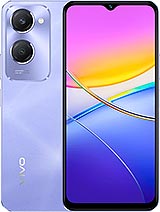
Y37 5G
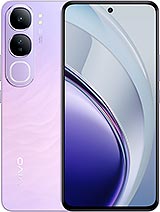
Y200 4G
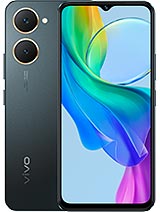
Y03
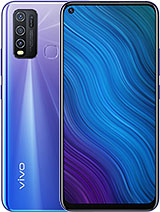
Y50 5G
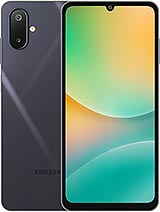
Galaxy M06 5G