Vivo Y600 review
This phone suits people who value battery life, screen size, and ruggedness over camera prowess or gaming muscle. Those who need 4K video, faster charging, or flagship-class speed should cross-shop rivals that bundle those strengths at the same price.

This review is based on Vivo’s published specifications and public benchmark data for the Vivo Y600, and the rating is spec-based. GoSolo does not physically test devices; where we estimate real-world behaviour such as battery life or charge time, we say so. How we rate phones.
Overview
The Vivo Y600 is a practical large-screen phone built around a 10,000 mAh battery and solid display, but it's held back by a dated camera setup and modest performance gains over last year's equivalents. For its class and price, it delivers on endurance and screen real estate, though shoppers expecting flagship feel should look elsewhere.
Design & build
At 224 grams and 8.6mm thick, the Y600 is substantial but not unreasonably heavy for a 10,000 mAh brick. The glass front and plastic frame-and-back combo is standard for this price tier, though Vivo has added IP68/IP69 water resistance and a 1.2m drop rating with MIL-STD-810H compliance, which is genuinely useful if you work around moisture or rough conditions. It's not indestructible, but it gives you practical peace of mind.
Display
The 6.83-inch AMOLED screen is the Y600's strongest physical feature. At 450 ppi, it's sharp enough for a large phone, and the 120Hz refresh with HDR10+ puts it ahead of budget LCD panels. The quoted 1000 nits standard and 2000 nits peak brightness (HBM) means outdoor visibility is solid, even in direct sun. The 89.8% screen-to-body ratio shows little bezels, which feels modern for the segment. There's no ultra-fast 144Hz like some rivals offer now, but 120Hz is the right balance here—overkill would drain the battery faster.
Performance
The Dimensity 7300e is capable upper-midrange silicon. It handles apps, social media, and modest gaming without lag, and the Mali-G610 GPU won't embarrass you in lighter games. With 6GB or 8GB of RAM and UFS 3.1 storage, multitasking is fluid. However, this is the same chipset class as devices from late 2025, so there's no meaningful generational leap—performance is competent, not impressive. Don't expect flagship-level raw speed, but you won't feel held back for casual use.
Camera
The 50MP main camera with f/1.8 aperture and PDAF sounds respectable on paper, but the real problem is the 1080p-only video capture. In October 2026, rivals at 270 EUR are filming in 4K, even if scaled from higher sensors. The 50MP stills are decent in daylight, and the larger 1/2.93" sensor helps with low light, but without 4K video, content creators or anyone who records regularly will feel shortchanged. The 8MP selfie is simply weak—adequate for video calls, but not competitive. LED flash helps the main sensor in darkness, though color accuracy in night mode is a known weakness of this Dimensity generation.
Battery & charging
The 10,000 mAh battery is genuinely large and will last two days of moderate use, possibly three of light browsing—a real selling point in a market tired of daily charging. However, 44W charging is mediocre for a battery this size. Expect about 90-100 minutes to a full charge, which is notably slower than rivals offering 65-100W at this price. The upside is the phone won't throttle or heat excessively during charging, but you're trading speed for longevity. For commuters and travelers, the battery capacity matters more than charge speed, so this trade-off makes sense for the positioning.
Software
Vivo ships Android 16 with OriginOS 6, which is clean and low on pre-installed bloat. The overlay is light compared to competitors from other regions, and it updates promptly. Nothing flashy, but reliability and longevity are the draws. Updates should flow smoothly for at least two years given Vivo's track record on midrange Y-series phones.
Value & verdict-context
At roughly 270 EUR, the Y600 sits in a crowded zone where battery size and durability matter as much as absolute performance. The IP68 rating and drop resistance are genuine, not marketing fluff. The large AMOLED screen and 10,000 mAh battery are real conveniences if you're away from power for long stretches. However, the 1080p video limit and slow charging are genuine friction points, especially if you record or need quick top-ups. The mid-tier chipset is adequate but undistinguished—there's no performance story to tell here, only competence. Vivo has built a practical phone for budget-conscious buyers who prioritize endurance and durability over cutting-edge features.
Verdict
This phone suits people who value battery life, screen size, and ruggedness over camera prowess or gaming muscle. Those who need 4K video, faster charging, or flagship-class speed should cross-shop rivals that bundle those strengths at the same price.
- 10,000 mAh battery with IP68 durability and drop resistance rated to 1.2m, real perks for everyday use
- Large 6.83-inch AMOLED display at 120Hz with HDR10+ support and 2000 nits peak brightness
- Clean Android 16 with OriginOS, no bloatware cruft typical of budget brands
- Dimensity 7300e handles day-to-day tasks without stuttering
- 50MP main camera limited to 1080p video in 2026; rivals at this price point hit 4K
- Only 44W charging speeds for a 10,000 mAh battery means a full charge takes well over an hour
- 8MP selfie camera is underpowered compared to peers
Vivo Y600 Key Specifications
The essentials at a glance. See the full spec sheet.
| Released | 2026, October 26 |
|---|---|
| Display | 6.83 inches, 112.6 cm2 (~89.8% screen-to-body ratio), AMOLED, 1B colors, 120Hz, HDR10+, 1000 nits, 2000 nits (HBM) |
| Resolution | 1260 x 2800 pixels, 20:9 ratio (~450 ppi density) |
| Chipset | Mediatek Dimensity 7300e (6 nm) |
| RAM & storage | 128GB 6GB RAM, 128GB 8GB RAM, 256GB 6GB RAM, 256GB 8GB RAM |
| Main camera | 50 MP, f/1.8, (wide), 1/2.93", PDAF |
| Selfie camera | 8 MP, f/2.1, (wide) |
| Battery | 10000 mAh |
| Software | Android 16, OriginOS 6 |
| Dimensions | 163.9 x 76.5 x 8.6 mm (6.45 x 3.01 x 0.34 in) |
| Weight | 224 g (7.90 oz) |
| Build | Glass front, plastic frame, plastic back |
| Durability | IP68/IP69 dust tight and water resistant (high pressure water jets; immersible up to 1.5m for 20 min) Drop resistant up to 1.2m MIL-STD-810H compliant* * does not guarantee ruggedness or use in extreme conditions |
| Network | GSM / HSPA / LTE / 5G |
| NFC | Yes |
| USB | USB Type-C 2.0, OTG |
Vivo Y600 FAQ
Common questions, answered from the spec sheet.
Does the Y600 support 5G?
Yes. The Y600 supports 5G networks.
What chipset does the Y600 use?
The Y600 runs on the Mediatek Dimensity 7300e (6 nm).
What display does the Y600 have?
A 6.83 inches, 112.6 cm2 (~89.8% screen-to-body ratio) AMOLED, 1B colors, 120Hz, HDR10+, 1000 nits, 2000 nits (HBM), 1260 x 2800 pixels, 20:9 ratio (~450 ppi density).
How big is the Y600 battery?
The Y600 has a 10000 mAh battery.
Does the Y600 have NFC?
Yes, the Y600 has NFC.
Is the Y600 water resistant?
The Y600 carries a IP68/IP69 dust tight and water resistant (high pressure water jets; immersible up to 1.5m for 20 min) Drop resistant up to 1.2m MIL-STD-810H compliant* * does not guarantee ruggedness or use in extreme conditions rating.
Does the Y600 support a microSD card?
No, the Y600 does not support expandable storage.
Alternatives to consider
If the Y600 isn’t quite right, these are the closest calls.
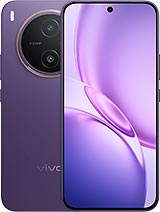
Y600 Pro
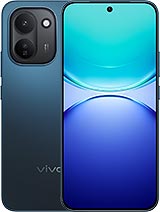
Y600 Turbo
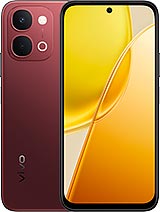
Y51 Pro
Y51 Pro 5G
Galaxy A37