Vivo Y77t review
The Y77t suits anyone prioritizing all-day battery and smooth scrolling on a tight budget; skip it if you shoot video regularly, game seriously, or need fast charging to keep up with heavy use.

This review is based on Vivo’s published specifications and public benchmark data for the Vivo Y77t, and the rating is spec-based. GoSolo does not physically test devices; where we estimate real-world behaviour such as battery life or charge time, we say so. How we rate phones.
Overview
A solid workhorse for €170: the Y77t delivers on battery life and smooth everyday scrolling via its 5000mAh cell and 120Hz display, but the 50MP camera maxes out at 1080p video and the Dimensity 7020 will stumble with demanding games. It's honest value if you prioritize endurance over polish.
Design & Build
The Y77t is refreshingly light. At 190g with an 8mm frame, it disappears into a pocket without the heft of metal-framed competitors. The glass front and plastic back do the job: you'll want a case to protect against drops, but the asymmetry keeps weight down where it matters. The 6.64-inch footprint feels balanced rather than oversized, even though it tips close to full-screen territory at 85.4% ratio. There's a headphone jack and side-mounted fingerprint sensor, both practical touches that still matter for this audience. The trade-off is obvious: plastic back means less perceived solidity than a phone costing twice as much, but for €170, the build feels fit for purpose.
Display
The 6.64-inch IPS LCD running at 120Hz is where this phone punches above its price. Scrolling through social feeds or web pages feels genuinely smooth compared to 60Hz budget phones. The 395 ppi density is sharp enough for text and day-to-day viewing—it won't match the density of a flagship's AMOLED, but it's past the point where pixels start to bother you. HDR10 support adds some dynamic range in compatible content. The screen is bright indoors and stays usable in direct sunlight, though it's not aggressive. For a phone at this price, 120Hz is a genuine quality-of-life win, especially if you're upgrading from an older model.
Performance
The Dimensity 7020 is mainstream midrange: it handles social apps, messaging, browsing, and video streaming without hesitation. Everyday multitasking feels fluid, and lighter games run smoothly. But ask it to render a demanding 3D title at high settings and it will throttle. The 8–12GB RAM options are both solid for this tier; you won't feel RAM pressure in normal use. Apps launch briskly, and there's no stutter during typical workloads. If you're a casual gamer or someone who rarely pushes the device hard, this feels perfectly adequate. The reality is that this chipset is two generations old by 2026 standards, and the performance bump over cheaper Dimensity chips is incremental. It's honest work, not a standout.
Software
Android 13 with OriginOS 3 comes preloaded. Vivo's overlay is lighter than some rivals but still present—you'll notice custom launchers, some bundled apps, and UI tweaks. Updates are historically slower from Vivo than from pure Android vendors, and at this price point, software support tends to trail flagship timelines. The good news: the base Android experience is stable and responsive. The UFS 2.2 storage isn't cutting-edge for 2026, but file operations are quick enough for daily use.
Camera
The 50MP main sensor with f/1.8 aperture and PDAF performs well in good light. Autofocus locks on reliably, and the wide aperture lets in plenty of light for handheld shots. Colors and detail are natural without aggressive processing. In dim conditions, the larger aperture helps, though noise climbs noticeably. The big limitation is video: you're capped at 1080p30fps. For quick social clips or casual recording, it's fine. Anyone expecting 4K or 60fps video, even at 1080p, should look elsewhere. The 8MP selfie camera is adequate for video calls and basic selfies; don't expect detail or dynamic range. There's no ultrawide or telephoto—what you see is what you get.
Battery & Charging
The 5000mAh battery is the phone's backbone. With mixed use—messages, social scrolling, some video—you'll easily hit a second day. Heavy video playback or gaming drains it faster, but a typical user should land comfortably in the 1.5–2 day range. That's a real advantage over many rivals cramming higher refresh rates into slimmer bodies. Charging at 44W is adequate but behind the curve: budget competitors now routinely offer 66W or higher at the same or lower price. You're looking at roughly 50–65 minutes for a full charge from zero, which is practical but not a standout.
Value & Verdict Context
At €170, the Y77t is a budget phone made without compromise on the things most people actually use every day: battery longevity and screen smoothness. The camera is honest—good in daylight, limited beyond 1080p—and the performance is middle-of-the-road rather than a bargain or a letdown. The Dimensity 7020 is showing its age, charging speed lags behind rivals in 2026, and the plastic construction doesn't feel premium. But if you're upgrading from a 60Hz device with a 4000mAh battery, the difference in daily experience is significant. This is a phone for someone who swaps devices every two or three years and prioritizes endurance and UI smoothness over camera reach or gaming performance. It won't impress spec hunters, but it won't disappoint in real use either.
Verdict
The Y77t suits anyone prioritizing all-day battery and smooth scrolling on a tight budget; skip it if you shoot video regularly, game seriously, or need fast charging to keep up with heavy use.
- 5000mAh battery stretches beyond a full day even with mixed use, setting it apart from lighter rivals in this price band
- 120Hz IPS display with 85.4% screen-to-body ratio makes scrolling and navigation noticeably fluid for everyday apps
- 50MP main camera with f/1.8 aperture and PDAF handles daylight shots reliably and autofocus is snappy
- At 190g and 8mm thick, it feels pocket-friendly without sacrificing battery capacity or screen real estate
- Video recording tops out at 1080p30fps—no 4K or higher frame rates, limiting content creators even at casual level
- 44W charging takes 50–65 minutes for a full charge, slower than budget rivals now hitting 66–100W at similar or lower prices
- Dimensity 7020 is entry-level midrange; demanding 3D games struggle at high settings, and performance gains over last-gen budget chips are modest
Vivo Y77t Key Specifications
The essentials at a glance. See the full spec sheet.
| Released | 2023, August 18 |
|---|---|
| Display | 6.64 inches, 106.8 cm2 (~85.4% screen-to-body ratio), IPS LCD, 120Hz, HDR10 |
| Resolution | 1080 x 2388 pixels (~395 ppi density) |
| Chipset | Mediatek Dimensity 7020 (6 nm) |
| RAM & storage | 256GB 8GB RAM, 256GB 12GB RAM |
| Main camera | 50 MP, f/1.8, (wide), PDAF Auxiliary lens |
| Selfie camera | 8 MP, f/2.0, (wide) |
| Battery | 5000 mAh |
| Charging | 44W wired |
| Software | Android 13, OriginOS 3 |
| Dimensions | 164.1 x 76.2 x 8 mm (6.46 x 3.00 x 0.31 in) |
| Weight | 190 g (6.70 oz) |
| Build | Glass front, plastic frame, plastic back |
| Network | GSM / CDMA / HSPA / CDMA2000 / LTE / 5G |
| NFC | No |
| USB | USB Type-C 2.0, OTG |
Vivo Y77t FAQ
Common questions, answered from the spec sheet.
Does the Y77t support 5G?
Yes. The Y77t supports 5G networks.
What chipset does the Y77t use?
The Y77t runs on the Mediatek Dimensity 7020 (6 nm).
What display does the Y77t have?
A 6.64 inches, 106.8 cm2 (~85.4% screen-to-body ratio) IPS LCD, 120Hz, HDR10, 1080 x 2388 pixels (~395 ppi density).
How big is the Y77t battery?
The Y77t has a 5000 mAh battery. Charging is rated at 44W wired.
Does the Y77t have NFC?
No, the Y77t does not list NFC support.
Does the Y77t support a microSD card?
No, the Y77t does not support expandable storage.
Does the Y77t have a headphone jack?
Yes, the Y77t has a 3.5mm headphone jack.
Alternatives to consider
If the Y77t isn’t quite right, these are the closest calls.
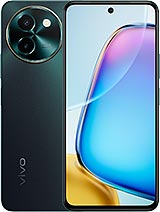
Y200t

T2 5G

Y78t

iQOO Neo 7
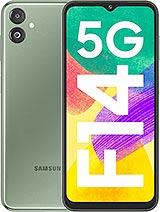
Galaxy F14