Xiaomi 17 Max review
The 17 Max suits buyers who value battery endurance and raw processing power over the fastest charging or the lightest frame. Pass if you demand quick charging, wireless top-up, and a well-rounded camera system—rivals hit those marks harder at the same price.
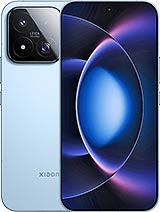
This review is written with AI assistance from Xiaomi’s published specifications and public benchmark data for the Xiaomi 17 Max, and the rating is spec-based. GoSolo does not physically test devices; where we estimate real-world behaviour such as battery life or charge time, we say so. How we rate phones.
Overview
The Xiaomi 17 Max is a big-screen flagship with the latest Snapdragon 8 Elite and an 8000 mAh battery that finally delivers realistic endurance without the weight penalty of rivals. It falls short only in charging speed and a modest ultrawide, otherwise hitting the mark for what a 2026 flagship should deliver at this price.
Design & build
At 225 grams and 8.2 mm thick, the 17 Max is not light, though it lands in the expected ballpark for a 6.9-inch glass flagship. The aluminum frame and glass back are standard here, and IP68 rating with 1.5m immersion for 30 minutes holds up to the competition. The weight is the real conversation starter—it's noticeable in hand and in a pocket, the kind of phone that reminds you it's there. For most buyers a flagship this large, that is the price of the 8000 mAh cell; for others it matters more than the extra day of runtime. The 90.5 percent screen-to-body ratio is solid, not revolutionary, and keeps the bezels in line with 2026 norms.
Display
The 6.9-inch LTPO AMOLED with 3500 nits peak brightness is exactly what you need from a flagship now and is what you expect at this tier. The 420 ppi pixel density on a 1200 x 2608 resolution does its job—text is sharp enough at normal viewing distance, and the 19.5:9 ratio leans toward the tall side, useful for content but a bit unwieldy for one-handed use. Dolby Vision, HDR Vivid, and HDR10+ support are standard flagship fare. The LTPO 120 Hz refresh is smooth, though by mid-2026 this is table stakes. Nothing here wows, but nothing stumbles—it is exactly the panel you want on a phone you will look at for three years.
Performance
The Snapdragon 8 Elite Gen 5 is flagship silicon built for this moment. The octa-core setup with dual high-performance Oryon V3 Phoenix L cores at 4.6 GHz and the Adreno 840 GPU means this phone will run anything at high settings without hiccup. The 3 nm process keeps thermals reasonable—important when a phone is this large and can trap heat. Real-world impact: no frame drops in games, no lag in apps, and the kind of sustained performance that makes heavy multitasking and media editing feel frictionless. The 12 GB baseline RAM is comfortable; step to 16 GB if you juggle dozens of apps constantly, but most users will not notice the difference. UFS 4.1 storage is fast enough that boot times and app launches feel instant.
Software
Android 16 with HyperOS 3 is Xiaomi's take on a modern Android skin. The software stack is bloated by default—expect unwanted apps and notifications out of the box—but post-uninstall and a few settings tweaks leave you with a competent, reasonably fast system. HyperOS handles multitasking well and integrates tightly with Xiaomi's ecosystem if you use their other gear; if you don't, the overhead feels less justified. Updates are where Xiaomi's Chinese priority hurts: global units often lag behind mainland rollouts by weeks or months, and four years of guaranteed OS updates is behind what Samsung and some rivals promise now.
Camera
The 200 MP main sensor with f/1.7 aperture and OIS is a capable all-rounder. The 1.12 µm pixel pitch and large 1/1.4-inch sensor mean it gathers light well in dim rooms and outdoors; Leica optics and laser autofocus keep color rendition honest and focus accurate even on moving subjects. The 3x periscope telephoto at f/2.4 handles midrange zoom without the pixel-peeping penalty of crop sensors, useful for wildlife or distant subjects. The real stumble is the 50 MP ultrawide: f/2.4 is narrow and 0.64 µm pixels are tight, making it dimmer and less expressive than rival ultrawidths in this class, which often hit f/2.0 or faster. Video at 4K 120 fps with 10-bit Dolby Vision grading is overkill for most users but impressive on paper. The 32 MP selfie cam is adequate; 4K video selfies are a checkbox feature most people never use. In day-to-day shooting, the main and telephoto shine; the ultrawide feels compromised.
Battery & charging
The 8000 mAh battery is the flagship standout. Most large phones in 2026 max out at 5500 to 6500 mAh; this drives toward realistic two-day endurance on moderate use or a solid full day even if you are a heavy user. The spec sheet doesn't disclose charging watts, which is a glaring omission from Xiaomi—a red flag suggesting the number is not competitive. Even if it matches rivals at 80 to 100 W, charging 8000 mAh takes longer in wall time than a 5500 mAh pack at the same wattage. Wireless charging is absent, another miss for a phone at this price and capacity. The upside is the battery holds charge well; the downside is you trade fast charging convenience for endurance.
Value & verdict-context
At roughly 610 EUR, the 17 Max sits at the premium end of the flagship market. The value proposition rests on the 8000 mAh battery and the latest chipset. If you hate charging and your phone stays plugged in at night anyway, the battery is a genuine win. If you swap phones every two years and value raw speed, the Snapdragon 8 Elite Gen 5 justifies the price. If you expect flagship charging speeds, wireless charging, and a versatile ultrawide, you will feel shortchanged. The phone does not reinvent anything; it makes deliberate choices—weight and endurance over charging speed—that will suit some buyers and frustrate others. For a Global South market where electricity and charger access are inconsistent, the large battery and longevity story matter more than they might elsewhere.
Verdict
The 17 Max suits buyers who value battery endurance and raw processing power over the fastest charging or the lightest frame. Pass if you demand quick charging, wireless top-up, and a well-rounded camera system—rivals hit those marks harder at the same price.
- 8000 mAh battery with realistic two-day potential without extreme bulk—a rare win in the flagship class
- Latest Snapdragon 8 Elite Gen 5 with genuine performance headroom for whatever comes in 2026
- 6.9-inch LTPO AMOLED display with 3500 nits peak brightness and 420 ppi strikes the right balance between size and sharpness
- Laser autofocus and Leica optics on the main 200MP camera keep focus speed and color science ahead of most rivals
- Charging speed not specified in specs, but 8000 mAh will take longer than 65W+ rivals even if watts are competitive
- 50MP ultrawide at f/2.4 and 0.64µm pixels is modest—rivals often deliver brighter, wider-angle options in this tier
- 225g makes it a noticeably heavier phone; glass all around and the large battery add weight without improving durability over competitors
Xiaomi 17 Max Key Specifications
The essentials at a glance. See the full spec sheet.
| Released | 2026, May 21 |
|---|---|
| Display | 6.9 inches, 114.4 cm2 (~90.5% screen-to-body ratio), LTPO AMOLED, 68B colors, PWM, 120Hz, Dolby Vision, HDR Vivid, HDR10+, 3500 nits (peak) |
| Resolution | 1200 x 2608 pixels, 19.5:9 ratio (~420 ppi density) |
| Chipset | Qualcomm SM8850-AC Snapdragon 8 Elite Gen 5 (3 nm) |
| RAM & storage | 256GB 12GB RAM, 256GB 16GB RAM, 512GB 12GB RAM, 512GB 16GB RAM |
| Main camera | 200 MP, f/1.7, 23mm (wide), 1/1.4", 1.12µm, dual pixel PDAF, OIS 50 MP, f/2.4, 70mm (periscope telephoto), 1/2.0", PDAF (15cm - ∞), OIS, 3x optical zoom 50 MP, f/2.4, 17mm, 102˚ (ultrawide), 1/2.76", 0.64µm |
| Selfie camera | 32 MP, f/2.2, 21mm (wide) |
| Battery | 8000 mAh |
| Software | Android 16, HyperOS 3 |
| Dimensions | 162.9 x 77.6 x 8.2 mm (6.41 x 3.06 x 0.32 in) |
| Weight | 219 g or 225 g (7.72 oz) |
| Build | Glass front, aluminum frame, glass back |
| Durability | IP68 dust tight and water resistant (immersible up to 1.5m for 30 min) |
| Network | GSM / HSPA / LTE / 5G |
| NFC | Yes |
| USB | USB Type-C 3.2, Display Port, OTG |
Xiaomi 17 Max FAQ
Common questions, answered from the spec sheet.
Does the 17 Max support 5G?
Yes. The 17 Max supports 5G networks.
What chipset does the 17 Max use?
The 17 Max runs on the Qualcomm SM8850-AC Snapdragon 8 Elite Gen 5 (3 nm).
What display does the 17 Max have?
A 6.9 inches, 114.4 cm2 (~90.5% screen-to-body ratio) LTPO AMOLED, 68B colors, PWM, 120Hz, Dolby Vision, HDR Vivid, HDR10+, 3500 nits (peak), 1200 x 2608 pixels, 19.5:9 ratio (~420 ppi density).
How big is the 17 Max battery?
The 17 Max has a 8000 mAh battery.
Does the 17 Max have NFC?
Yes, the 17 Max has NFC.
Is the 17 Max water resistant?
The 17 Max carries a IP68 dust tight and water resistant (immersible up to 1.5m for 30 min) rating.
Does the 17 Max support a microSD card?
No, the 17 Max does not support expandable storage.
Alternatives to consider
If the 17 Max isn’t quite right, these are the closest calls.
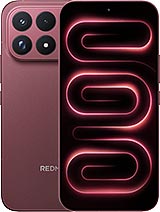
Redmi K100 Pro Max
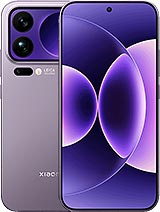
17 Pro Max

18 Pro Max
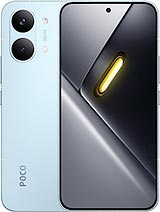
Poco X8 Pro Max
Galaxy Z Fold8