Xiaomi Poco C81 Pro review
The C81 Pro suits someone who spends hours on their phone watching video, browsing, or messaging and wants to charge every other day; it suits anyone who values a big, smooth display over raw processing speed. Skip it if you play games, edit photos, or need your phone to feel responsive and snappy at all times—or if you expect fast charging as standard."
This review is written with AI assistance from Xiaomi’s published specifications and public benchmark data for the Xiaomi Poco C81 Pro, and the rating is spec-based. GoSolo does not physically test devices; where we estimate real-world behaviour such as battery life or charge time, we say so. How we rate phones.
Overview
The Poco C81 Pro is a large, light budget phone with a 120Hz screen and a 6000mAh battery, but it's held back by a weak entry-level chipset and basic cameras that deliver little more than the essentials. At €120, it offers decent battery stamina and a big display for the price, but you are trading performance and photo quality for a generous screen and runtime.
Design & build
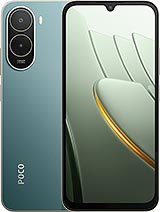
The C81 Pro is a big phone that does not feel heavy. At 208g on a 6.9-inch frame, it sits comfortably in the hand despite its size, and the 8.2mm thickness keeps it pocket-friendly. The mix of glass front, plastic frame, and plastic back is standard for this price, and it does not pretend to be something it is not. The 84% screen-to-body ratio is typical for modern budget phones, and the side-mounted fingerprint sensor is a practical choice at this tier. Build quality is what you would expect at €120: functional, not fragile, but not particularly refined either.
Display
A 6.9-inch IPS LCD running 120Hz is the headline here, and it is a genuine highlight for a phone at this price. The 254 ppi density at 720p is noticeably soft up close, and you will see the pixels if you look, but the brightness (650 nits typical, 800 peak) holds up outdoors and the 120Hz refresh makes scrolling feel smooth compared to budget competition. The 20:9 aspect ratio makes the phone taller than modern flagships but less extreme than last decade's ultra-wide designs. For watching video or casual browsing, this screen does the job well; for reading text at arm's length, the low pixel density is the trade-off you are making for that large size and refresh rate.
Performance
The Unisoc T7250 is an entry-level chipset, and this phone behaves accordingly. It will handle WhatsApp, email, light gaming, and video playback without hiccup, but intensive games, heavy multitasking, or anything demanding will show lag. The Mali-G57 GPU is basic, and you will notice the limits if you play anything beyond casual titles or do photo editing. With 4GB RAM across all variants, there is little headroom for juggling apps. This is not a phone for someone who wants smooth, responsive performance across the board; it is a device for calls, messages, streaming, and basic tasks. If you need a phone that never stutters, look elsewhere, but for the price and typical use case at this tier, it is acceptable.
Software
Android 15 with HyperOS 3 is current and should receive up to four major Android upgrades, which is a solid commitment for a budget phone. HyperOS is Xiaomi's customization layer, and while it adds bloat compared to stock Android, the core experience is usable. The upgrade path is not flashy but it is better than many rivals at this price, giving you several years of OS updates before the phone feels truly dated.
Camera
The 13MP main camera with f/2.2 and a 1/3.06" sensor is basic and will struggle in low light. Daytime shots are flat and lack detail, and the lack of a second or third lens (no ultrawide, no macro, no zoom beyond digital) means you are limited to one perspective. The 8MP selfie is serviceable for video calls but soft in stills. There is no night mode, no computational photography tricks, and no stabilization. At this price, you are not expecting professional results, but the cameras here are genuinely underwhelming even for a budget phone; they capture moments but do not reward close inspection.
Battery & charging
The 6000mAh battery is a real strength for daily use. On moderate use, this phone will easily clear two days; heavy users will get a full day without stress. The catch is charging: 15W is slow by any standard, and rivals at this price often hit 33W or higher. Refilling the battery from flat will take well over two hours, which is frustrating if you need a quick top-up. The trade-off is clear: excellent battery capacity but painfully slow recharge.
Value & verdict
At €120, the C81 Pro sits in a crowded budget tier where a few euros more can buy you a faster chip or better cameras. What it does offer is a genuinely large, smooth 120Hz display and exceptional battery life, which are real advantages for someone who watches video, reads, or browses a lot and does not need snappy performance. The slow charging and weak cameras are the price of admission. The microSDXC slot and FM radio are bonuses that few rivals include at this price. It is not a phone that excels at everything, but it knows what it is and delivers on size, screen refresh, and runtime without pretense.
Verdict
The C81 Pro suits someone who spends hours on their phone watching video, browsing, or messaging and wants to charge every other day; it suits anyone who values a big, smooth display over raw processing speed. Skip it if you play games, edit photos, or need your phone to feel responsive and snappy at all times—or if you expect fast charging as standard."
- 120Hz IPS LCD on a 6.9-inch body with usable outdoor brightness and no shortage of screen real estate
- 6000mAh battery delivers over two days of everyday use, a rare luxury at this price
- Dedicated microSDXC slot and FM radio, practical features that competitors have dropped
- Lightweight and slim despite the screen size, comfortable in hand despite being a large phone
- 15W charging is glacially slow; rivals at this price offer double or triple the speed
- Unisoc T7250 struggles with anything beyond basic tasks and light gaming, noticeable lag in demanding apps
- 13MP camera is dull and detail-light, even in daylight, with no zoom or wide angle to add flexibility
Xiaomi Poco C81 Pro Key Specifications
The essentials at a glance. See the full spec sheet.
| Released | 2026, April 27 |
|---|---|
| Display | 6.9 inches, 114.9 cm2 (~84.3% screen-to-body ratio), IPS LCD, 120Hz, 650 nits (typ), 800 nits (peak) |
| Resolution | 720 x 1600 pixels, 20:9 ratio (~254 ppi density) |
| Chipset | Unisoc T7250 (12 nm) |
| RAM & storage | 64GB 4GB RAM, 128GB 4GB RAM, 256GB 4GB RAM |
| Main camera | 13 MP, f/2.2, (wide), 1/3.06" |
| Selfie camera | 8 MP, f/2.0, (wide) |
| Battery | 6000 mAh |
| Software | Android 15, up to 4 major Android upgrades, HyperOS 3 |
| Dimensions | 171.6 x 79.5 x 8.2 mm (6.76 x 3.13 x 0.32 in) |
| Weight | 208 g (7.34 oz) |
| Build | Glass front, plastic frame, plastic back |
| Network | GSM / HSPA / LTE |
| NFC | Yes (market/region dependent) |
| USB | USB Type-C 2.0 |
Xiaomi Poco C81 Pro FAQ
Common questions, answered from the spec sheet.
Does the Poco C81 Pro support 5G?
No. The Poco C81 Pro tops out at GSM / HSPA / LTE, without 5G.
What chipset does the Poco C81 Pro use?
The Poco C81 Pro runs on the Unisoc T7250 (12 nm).
What display does the Poco C81 Pro have?
A 6.9 inches, 114.9 cm2 (~84.3% screen-to-body ratio) IPS LCD, 120Hz, 650 nits (typ), 800 nits (peak), 720 x 1600 pixels, 20:9 ratio (~254 ppi density).
How big is the Poco C81 Pro battery?
The Poco C81 Pro has a 6000 mAh battery.
Does the Poco C81 Pro have NFC?
Yes, the Poco C81 Pro has NFC.
Does the Poco C81 Pro support a microSD card?
Yes, the Poco C81 Pro supports expandable storage (microSDXC (dedicated slot)).
Alternatives to consider
If the Poco C81 Pro isn’t quite right, these are the closest calls.
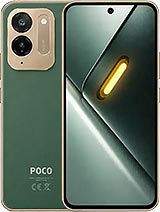
Poco C95 Pro

Poco C81
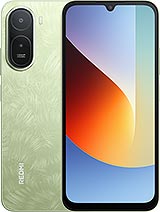
Redmi A7 Pro 4G
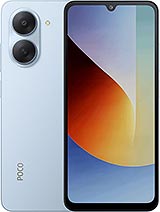
Poco C81x
Galaxy M17e