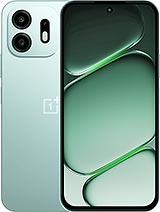
Xiaomi Poco M8x review
The M8x suits budget-conscious buyers in emerging markets who value battery longevity and build over raw speed or display precision. Skip it if you plan to game regularly, need a sharp screen for reading, or stream video constantly—the 254ppi display and entry-level chip will disappoint you within weeks.
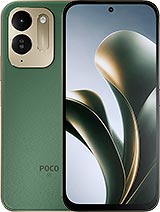
This review is written with AI assistance from Xiaomi’s published specifications and public benchmark data for the Xiaomi Poco M8x, and the rating is spec-based. GoSolo does not physically test devices; where we estimate real-world behaviour such as battery life or charge time, we say so. How we rate phones.
Overview
The Poco M8x is a lean budget phone that trades performance punch for size, battery, and build quality. At under €200 with a 7900mAh cell and durable glass front, it delivers decent value for emerging markets, though the 254ppi screen and entry-level Snapdragon 4 Gen 5 chip mean you're making real compromises on fluidity and display sharpness.
Design & build
The M8x is notably slim at 8.8mm and honest about weight: 232g is slightly above average but not bloated. The glass front with Gorilla Glass 7i and plastic back (or eco leather) feel like real choices rather than cost-cutting theater. IP64 dust and splash protection is standard at this price now, but Poco's inclusion signals the phone isn't a throwaway. The 6.9-inch body is large but not unwieldy, and the 86.2% screen-to-body ratio keeps bezels reasonable. Build won't win design awards, but it's reassuringly solid for the money.
Display
Here's where the M8x shows its budget DNA. A 720p LCD on a 6.9-inch screen yields just 254ppi—visibly grainy next to any €250+ rival, and noticeably softer than the 300ppi floor most budget phones hit in 2026. The 120Hz refresh is a nice touch for scrolling, but it doesn't disguise the fuzzy text and muddy fine detail. For streaming, casual browsing, or messaging it's fine; for reading, e-books, or graphic-heavy content it's frustrating. The IPS panel has decent viewing angles and brightness is adequate, but this screen is the phone's clearest compromise.
Performance
The Snapdragon 4 Gen 5 is entry-level silicon, and the M8x does nothing to hide it. Apps open with a pause, games at high settings will lag, and background apps will vanish to free RAM faster than on a Snapdragon 6. Gaming is playable but not smooth; day-to-day tasks like messaging and social media work without drama, but don't expect fluid 120fps scrolling on anything demanding. The 4GB or 6GB RAM configs don't change this verdict—you're bottlenecked by the chip, not memory. It's adequate for light use, but anyone planning to keep this phone three years will notice it slowing down around year two.
Software
Android 16 out of the box with a promise of four major OS updates puts the M8x ahead of the typical budget refresh cycle. That means until 2030 you should get OS bumps, though Xiaomi's Poco line has sometimes been vague about security patches. The OS itself runs cleanly without much bloatware, a quiet strength that keeps the phone nimble. Poco's HyperOS skin is light enough not to drag, and the side-mounted fingerprint sensor works reliably. Nothing flashy, but the four-year OS commitment is genuinely rare at this price.
Camera
The 50MP main sensor with f/1.8 and PDAF looks promising on paper, but the phone caps video at 1080p30, which is a red flag. That gap suggests the ISP isn't powerful enough to handle the sensor fully, or Xiaomi deliberately held back. In stills, daylight shots are competent—detail is decent, colors are neutral, and the wide aperture helps in shade. Night mode is basic and noisy at ISO 800+. The 8MP selfie is forgettable. The real issue is that the 50MP main feels squandered; you're paying for a sensor the phone can't fully use, and that €200 price point doesn't excuse 1080p video in 2026.
Battery & charging
The 7900mAh cell is the M8x's genuine standout. On light use—messaging, calling, moderate browsing—expect 1.5 to 2 days easily. Even on heavier use you'll stretch past a full day, which is rare for a phone this cheap. The spec sheet mentions 45W charging, but lacks detail on charge time; expect 45–60 minutes to full on a compatible charger, though many retailers bundle a slower brick. No wireless charging, obviously. The battery is non-removable, a standard sacrifice in 2026 that's worth mentioning only because the cell size makes it almost irrelevant—this phone simply doesn't need daily charging discipline.
Value & verdict context
At €190, the M8x carves out a specific niche: buyers in emerging markets who prioritize battery life, durability, and expandable storage over display quality and gaming performance. The glass front and 7900mAh pack real value for the price; the 254ppi screen and entry-level chip are the honest trade-offs. It's not a flagship alternative or a value king—it's a pragmatic, long-battery workhorse for someone who texts, calls, scrolls, and occasionally photographs, and doesn't game or watch video for hours. Against Chinese rivals like the Redmi Note 14, it's competitive; against phones from a year ago at the same price, it offers similar specs with slightly better OS support. It won't blow anyone away, but it does what it promises without pretense.
Verdict
The M8x suits budget-conscious buyers in emerging markets who value battery longevity and build over raw speed or display precision. Skip it if you plan to game regularly, need a sharp screen for reading, or stream video constantly—the 254ppi display and entry-level chip will disappoint you within weeks.
- 7900mAh battery with no bloat puts day-plus runtime within easy reach, rare for this price tier
- Gorilla Glass 7i front and IP64 rating on a €190 phone shows durability choices Poco actually prioritizes here
- Dedicated microSD slot lets you expand beyond 128GB without sacrificing a SIM, practical for the emerging-market buyer who needs storage flexibility
- Android 16 with four promised major updates gives longer OS support than rivals typically offer at this price
- 254ppi screen is noticeably grainy for a 6.9-inch phone; rivals in 2026 have moved to 300ppi or higher even in budget tiers
- Snapdragon 4 Gen 5 is genuinely entry-level; gaming and heavy multitasking will stutter, and app load times trail mid-range phones
- 50MP camera with only 1080p30 video feels half-baked—the sensor is there, the lens is fine, but the ISP and tuning don't match
Xiaomi Poco M8x Key Specifications
The essentials at a glance. See the full spec sheet.
| Released | 2026, August 21 |
|---|---|
| Display | 6.9 inches, 114.9 cm2 (~86.2% screen-to-body ratio), IPS LCD, 120Hz |
| Resolution | 720 x 1600 pixels, 20:9 ratio (~254 ppi density) |
| Chipset | Qualcomm Snapdragon 4 Gen 5 (4 nm) |
| RAM & storage | 128GB 4GB RAM, 128GB 6GB RAM |
| Main camera | 50 MP, f/1.8, (wide), PDAF Auxiliary lens |
| Selfie camera | 8 MP, f/2.0, (wide), 1/4.0", 1.12µm |
| Battery | 7900 mAh |
| Software | Android 16, up to 4 major OS updates |
| Dimensions | 170.1 x 78.4 x 8.8 mm (6.70 x 3.09 x 0.35 in) |
| Weight | 232 g (8.18 oz) |
| Build | Glass front (Gorilla Glass 7i), plastic back or silicone polymer (eco leather), plastic frame |
| Durability | IP64 dust tight and water resistant (water splashes) |
| Network | GSM / HSPA / LTE / 5G |
| NFC | No |
| USB | USB Type-C 2.0, OTG |
Xiaomi Poco M8x FAQ
Common questions, answered from the spec sheet.
Does the Poco M8x support 5G?
Yes. The Poco M8x supports 5G networks.
What chipset does the Poco M8x use?
The Poco M8x runs on the Qualcomm Snapdragon 4 Gen 5 (4 nm).
What display does the Poco M8x have?
A 6.9 inches, 114.9 cm2 (~86.2% screen-to-body ratio) IPS LCD, 120Hz, 720 x 1600 pixels, 20:9 ratio (~254 ppi density).
How big is the Poco M8x battery?
The Poco M8x has a 7900 mAh battery.
Does the Poco M8x have NFC?
No, the Poco M8x does not list NFC support.
Is the Poco M8x water resistant?
The Poco M8x carries a IP64 dust tight and water resistant (water splashes) rating.
Does the Poco M8x support a microSD card?
Yes, the Poco M8x supports expandable storage (microSDXC (dedicated slot)).
Alternatives to consider
If the Poco M8x isn’t quite right, these are the closest calls.
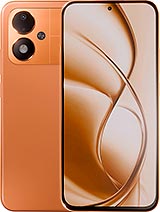
Poco M8 Power
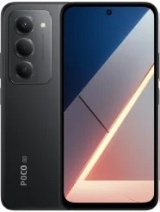
Poco M8s
Poco C81x
Poco C81
Galaxy M17e