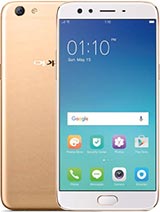
Zopo Flash X Plus review
This phone is only suitable for someone with no choice—a buyer in a market with extreme price pressure who values the expandable storage and dual SIM above all else, and who tolerates slow performance. Anyone else should save a few dollars more for a phone from 2020 or later; the software gap alone makes this a poor long-term buy.
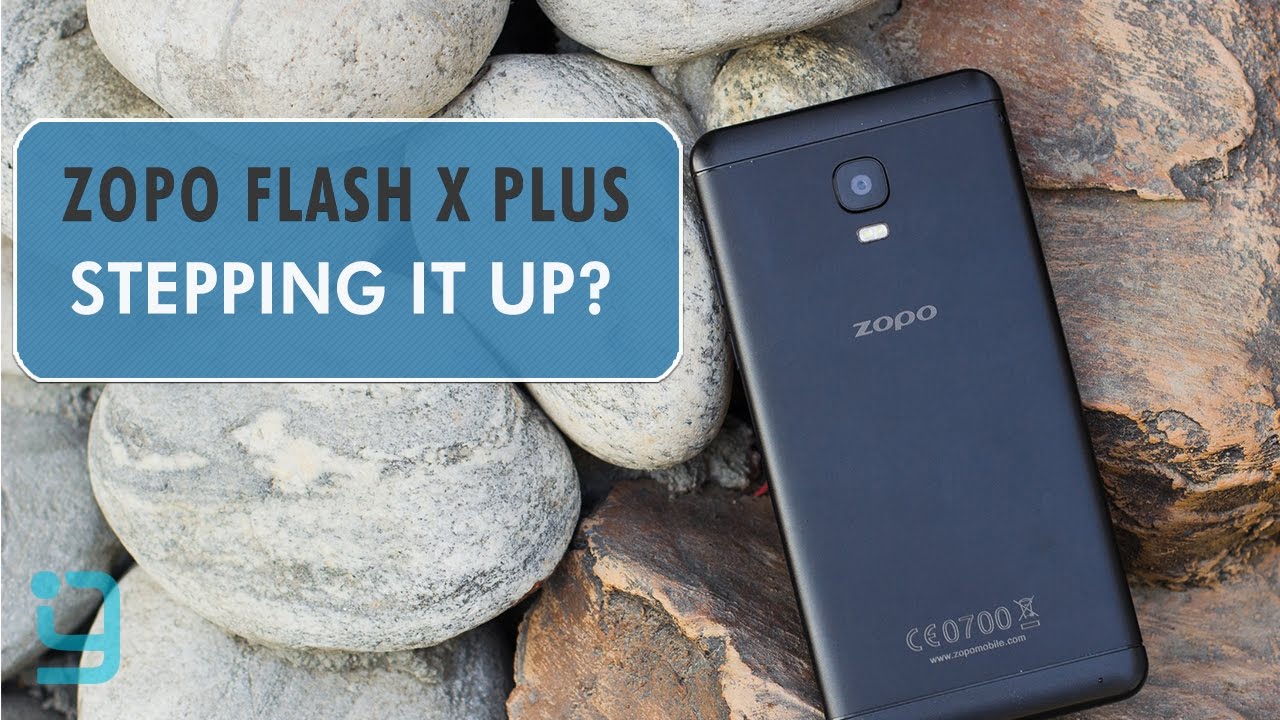
This review is written with AI assistance from Zopo’s published specifications and public benchmark data for the Zopo Flash X Plus, and the rating is spec-based. GoSolo does not physically test devices; where we estimate real-world behaviour such as battery life or charge time, we say so. How we rate phones.
Overview
The Flash X Plus is a 2017 mid-range phone that feels dated by current standards—slow chipset, small battery, and Android 6.0 out of the box make it a relic in a market that has moved on. Even for budget buyers in emerging markets, there are better-aged alternatives at similar money.
Design & build
At 206 grams and 8.3 mm thick, the Flash X Plus feels solid in hand without being nimble. The weight is noticeable but not objectionable for a 5.5-inch phone from this era. Dual microSIM slots add practical flexibility, though the move to microSIM (rather than full SIM) already dates this device. The overall finish is unremarkable—neither cheap nor refined, just functional for the time.
Display
The 5.5-inch IPS TFT display runs at 1080 x 1920, delivering 401 ppi and a respectable 71% screen-to-body ratio for 2017. Color accuracy is standard for an IPS panel at this price; viewing angles are decent. The brightness is adequate for indoor use and readable in daylight, though it will not match the punchy OLED or modern high-refresh screens you see in budget phones today. For video playback and browsing, it does the job without complaint.
Performance
The MediaTek MT6753 is a four-year-old octa-core chip running at modest clocks, paired with 3 GB of RAM. In 2017 this was competent for light browsing and social media, but it feels outdated now. The ARM Mali-T720 GPU struggles with anything beyond casual gaming. Expect noticeable lag when switching apps, stuttering in newer social platforms, and real pain if you try to run anything resource-heavy. The 16 GB internal storage leaves only a handful of gigabytes free after the system, so the microSD slot is not just convenient—it is necessary.
Software
Android 6.0 Marshmallow is a dealbreaker in 2024 or later markets. Released in 2015, it lacks modern security patches, has no gesture navigation, and most new apps will refuse to install or run. Zopo's track record on updates is poor; expect this phone to stay locked at 6.0. Even if a user found one second-hand, the experience would be frustrating relative to any current budget phone running Android 13 or higher.
Battery & charging
The 3350 mAh battery is small for a 5.5-inch display, especially paired with a chipset that offers poor efficiency. On moderate use, you might scrape 12 to 14 hours before needing a charge; heavy users will need the plug by mid-afternoon. The spec sheet lists no charging speed, suggesting this was a standard micro-USB affair without fast charging—another gap that rivals had closed by 2017.
Value & verdict context
In 2017, the Flash X Plus occupied the lower-mid budget tier, competing against devices from Xiaomi and Motorola that offered similar specs. Today, it is simply too old. The combination of a weak processor, tiny battery, ancient software, and lack of modern connectivity hurts resale appeal and day-to-day usability. A second-hand model might cost very little, but refurbished phones from 2021 or newer at the same price will give you years more relevance.
Verdict
This phone is only suitable for someone with no choice—a buyer in a market with extreme price pressure who values the expandable storage and dual SIM above all else, and who tolerates slow performance. Anyone else should save a few dollars more for a phone from 2020 or later; the software gap alone makes this a poor long-term buy.
- Display is reasonably bright at 1080p on a 5.5-inch screen, with 401 ppi offering sharp text and images for media consumption
- MicroSD slot supports up to 64 GB expansion, useful for users who need extra storage without paying for a new phone
- Dual SIM setup lets you juggle two networks on a single device, practical for travel or work-life separation
- MediaTek MT6753 is a weak processor even by 2017 standards; multitasking and gaming will feel sluggish, and the phone will struggle with modern apps
- 3350 mAh battery is small for a 5.5-inch phone and will not last a full day under moderate to heavy use
- Ships with Android 6.0, which is already two major versions behind the time—update support is likely non-existent
Zopo Flash X Plus Key Specifications
The essentials at a glance. See the full spec sheet.
| Released | 1Q 2017 |
|---|---|
| Display | 5.50 inches, Color / IPS TFT16,7M colors1080 x 1920 px (5.50") 401 ppi∼71.1% screen-to-body ratio |
| Resolution | 1080 x 1920 pixels |
| Chipset | MediaTek MT6753Number of cores: 8GPU: ARM Mali-T720 @450 MHz |
| RAM & storage | 16 GBBuy memory card RAM: 3 GB |
| Battery | 3350 mAh |
| Software | Android6.0 Marshmallow |
| Dimensions | 153.80 x 76.30 x 8.30 mm |
| Weight | 206.00 g |
Zopo Flash X Plus FAQ
Common questions, answered from the spec sheet.
What chipset does the Zopo Flash X Plus use?
The Zopo Flash X Plus runs on the MediaTek MT6753Number of cores: 8GPU: ARM Mali-T720 @450 MHz.
What display does the Zopo Flash X Plus have?
A 5.50 inches Color / IPS TFT16,7M colors1080 x 1920 px (5.50") 401 ppi∼71.1% screen-to-body ratio, 1080 x 1920 pixels.
How big is the Zopo Flash X Plus battery?
The Zopo Flash X Plus has a 3350 mAh battery.
Does the Zopo Flash X Plus support a microSD card?
Yes, the Zopo Flash X Plus supports expandable storage (microSD, microSDHC, microSDXC (up to 64 GB)).
Alternatives to consider
If the Zopo Flash X Plus isn’t quite right, these are the closest calls.
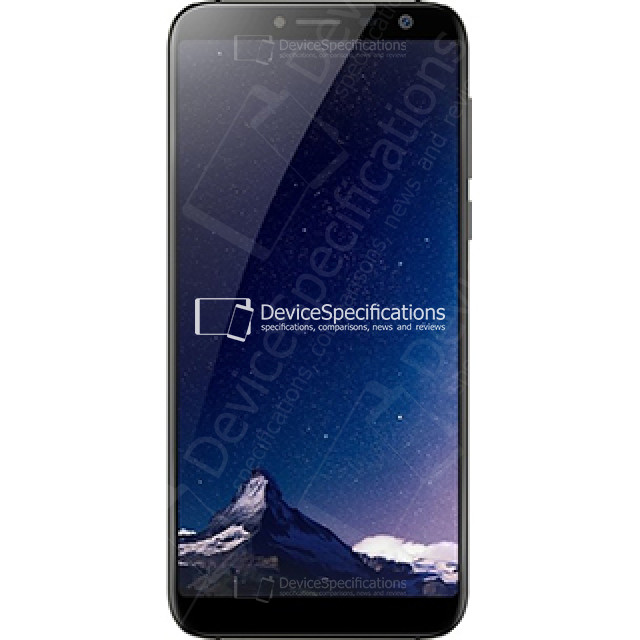
Zopo Flash X2
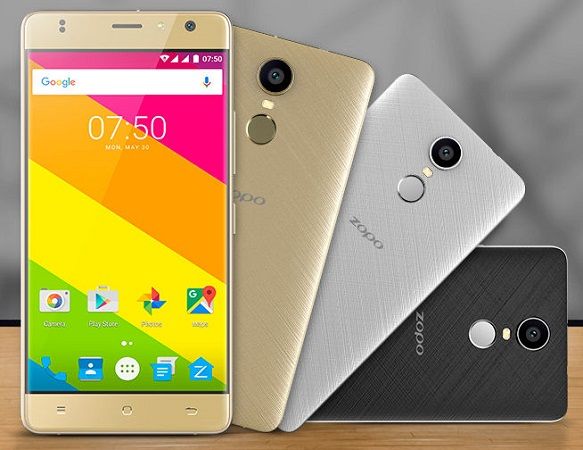
Zopo Color F3
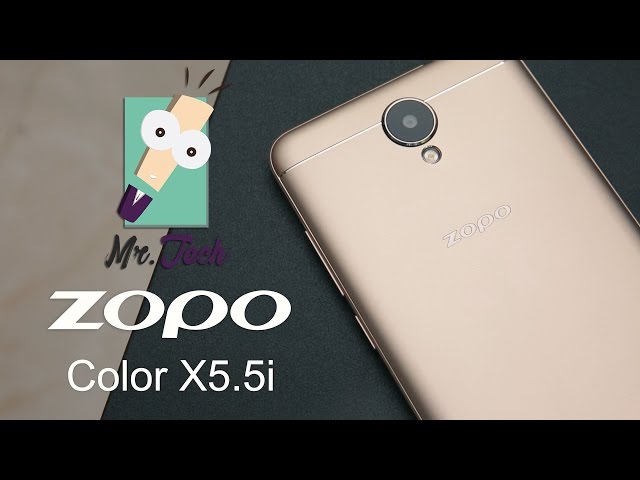
Zopo Color X5.5i
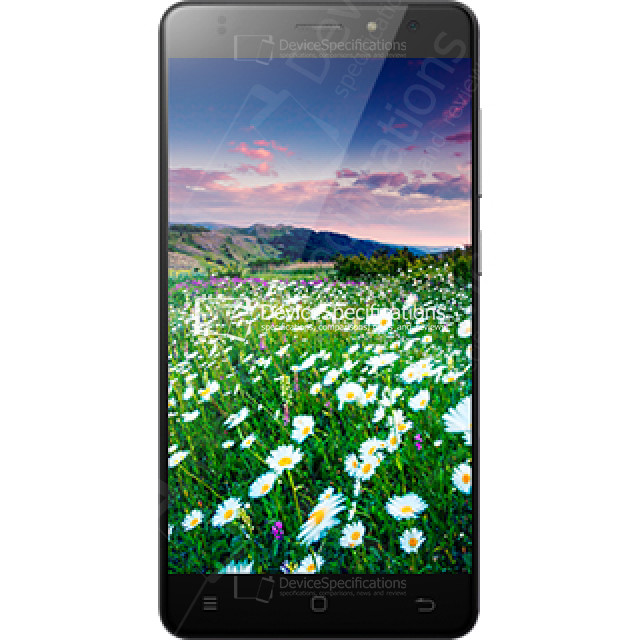
Zopo Color C5i
Z4