ZTE 11 review
The Axon 11 suits someone buying used or liquidated stock for well under 150 EUR who wants a large AMOLED screen and does not mind slow performance for light browsing and media. Anyone expecting decent gaming, snappy apps, or longevity should look at a current mid-ranger instead—the age gap is too wide to overcome with a slim profile and a quick charger.
This review is written with AI assistance from ZTE’s published specifications and public benchmark data for the ZTE 11, and the rating is spec-based. GoSolo does not physically test devices; where we estimate real-world behaviour such as battery life or charge time, we say so. How we rate phones.
Overview
The ZTE Axon 11 is a 2020 mid-range phone with an AMOLED screen and genuinely fast 100W charging, but the Helio P70 chipset is now obsolete and the 1080p cameras feel underpowered even for its original price. It works as a light phone, but age has made it a tough sell without a steep discount.
Design & Build
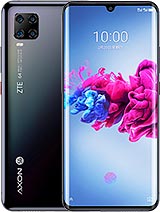
The Axon 11 is compact and light at 168g, fitting neatly into one hand thanks to its 7.9mm thickness. The all-glass sandwich with an aluminum frame feels premium for mid-2020, though it collects fingerprints aggressively and begs for a case. IP64 protection against splashes and dust is useful, not exceptional. The optical in-display fingerprint sensor works reliably, though it is noticeably slower than capacitive options on cheaper phones. At this point, the design is dated but inoffensive—nothing remarkable, nothing broken.
Display
The 6.47-inch AMOLED panel is the phone's strongest card. At 398 ppi, sharpness is solid, colors are punchy, and blacks are genuinely deep thanks to the OLED tech. The 87.9% screen-to-body ratio was respectable in 2020 and still looks reasonable today. Gorilla Glass Victus adds confidence against scratches. For reading, video, and everyday use, this screen carries its weight—it is one of the few reasons to even consider a 2020 mid-ranger in 2024 or later.
Performance
The Helio P70 is entry-level even for 2020, and the gap has only widened. Modern messaging apps, social media, and streaming services run without crashing, but scrolling stutters visibly on heavy apps, and any real gaming or multitasking exposes the chipset's limitations. Six gigabytes of RAM helps, but the underlying processor is simply underpowered by today's standards. If you are used to a recent budget phone or anything from 2022 onward, this will feel slow. eMMC 5.1 storage is also slower than the UFS standards rivals moved to years ago, making app launches and file transfers sluggish.
Camera
The 48MP main sensor with f/1.8 and PDAF performs decently in bright light, producing sharp, well-exposed stills with good color balance. Daylight photos are usable; indoors and at night, the camera struggles—dynamic range is weak and noise creeps in quickly. The 8MP ultrawide at 120 degrees adds flexibility for landscapes, but lacks the sharpness and clarity of the main lens. The 2MP macro is dead weight: it is basically unusable. The 20MP selfie camera is adequate for video calls but softens skin detail. Video is capped at 1080p at 30fps with only gyro stabilization, which is a bummer for a 2020 flagship-lite phone. For casual snaps it is serviceable; for anything serious, it is outgunned by modern mid-rangers.
Battery & Charging
The 4000 mAh cell is the weak link given the screen size. In reality, you are looking at roughly 14 to 16 hours of mixed use before needing a charge—not a full day for heavy users. The 100W charging is the headline feature: it reaches 50% in 10 minutes and full in 25 minutes, which was legitimately fast in 2020. Rivals have since matched or exceeded this, and the international model tops out at 100W (the US variant is 80W). Fast charging does not make up for a small battery, though. The charger is substantial and generates noticeable heat during the charge cycle.
Software
This phone shipped with Android 10 and MiFavor 10, ZTE's custom skin. By now, four years on, it is likely stuck there or at best Android 11—far behind the security and feature support of newer devices. MiFavor is lightweight compared to some skins, but outdated software is a real problem for security and app compatibility. If you pick up a used unit, assume you are not getting meaningful updates.
Value & Verdict
The ZTE Axon 11 launched at around 280 EUR in 2020 and is now deeply discounted, often found used in the 100–150 EUR range. At that price, it works as a media device: the AMOLED screen and fast charging are real perks, and the build feels solid. But the Helio P70 is a genuine burden in 2024 and later, and the 1080p cameras would have been better at 1440p even then. A used Moto G6 Plus or Poco X2 from the same era, or a current-year budget phone at a similar secondhand price, will feel snappier and hold more security patches. The Axon 11 appeals only to buyers who prioritize screen and charging speed above all else and can tolerate stuttering apps.
Verdict
The Axon 11 suits someone buying used or liquidated stock for well under 150 EUR who wants a large AMOLED screen and does not mind slow performance for light browsing and media. Anyone expecting decent gaming, snappy apps, or longevity should look at a current mid-ranger instead—the age gap is too wide to overcome with a slim profile and a quick charger.
- 100W charging completes the 4000 mAh battery in 25 minutes—quicker than most rivals at launch, though the advantage has narrowed
- 6.47-inch AMOLED display at 398 ppi is bright and responsive, with a slim 7.9mm body that feels good in hand
- Stereo speakers and a sturdy all-glass design with IP64 resistance give it a more solid feel than budget competitors of 2020
- The 48MP main camera with f/1.8 aperture and PDAF handles decent stills in daylight, paired with an ultrawide for variety
- Helio P70 is four generations old and struggles with modern apps and games; by 2024-2025 standards it feels visibly slow
- 4000 mAh battery for a 6.47-inch phone is tight—realistically you are looking at single-day endurance under normal use
- 1080p video cap and modest camera sensors feel cheap even accounting for the 2020 launch; the 2MP macro is pointless filler
ZTE 11 Key Specifications
The essentials at a glance. See the full spec sheet.
| Released | 2020, June 04. Released 2020, June 17 |
|---|---|
| Display | 6.47 inches, 102.8 cm2 (~87.9% screen-to-body ratio), AMOLED |
| Resolution | 1080 x 2340 pixels, 19.5:9 ratio (~398 ppi density) |
| Chipset | Mediatek MT6771 Helio P70 (12 nm) |
| RAM & storage | 128GB 6GB RAM |
| Main camera | 48 MP, f/1.8, 25mm (wide), 1/2.0", 0.8µm, PDAF 8 MP, f/2.2, 120˚, 16mm (ultrawide) 2 MP (macro) Auxiliary lens |
| Selfie camera | 20 MP, f/2.0, (wide), 1/2.8", 1.0µm |
| Battery | 4000 mAh |
| Charging | 100W wired, PD, 50% in 10 min, 100% in 25 min - International80W wired, PD - USA |
| Software | Android 10, MiFavor 10 |
| Dimensions | 159.2 x 73.4 x 7.9 mm (6.27 x 2.89 x 0.31 in) |
| Weight | 168 g (5.93 oz) |
| Build | Glass front, glass back, aluminum frame |
| Durability | IP64 dust tight and water resistant (water splashes) |
| Network | GSM / HSPA / LTE |
| NFC | Unspecified |
| USB | USB Type-C 2.0, OTG |
ZTE 11 FAQ
Common questions, answered from the spec sheet.
Does the 11 support 5G?
Yes. The 11 supports 5G networks.
What chipset does the 11 use?
The 11 runs on the Mediatek MT6771 Helio P70 (12 nm).
What display does the 11 have?
A 6.47 inches, 102.8 cm2 (~87.9% screen-to-body ratio) AMOLED, 1080 x 2340 pixels, 19.5:9 ratio (~398 ppi density).
How big is the 11 battery?
The 11 has a 4000 mAh battery. Charging is rated at 100W wired, PD, 50% in 10 min, 100% in 25 min - International80W wired, PD - USA.
Does the 11 have NFC?
No, the 11 does not list NFC support.
Is the 11 water resistant?
The 11 carries a IP64 dust tight and water resistant (water splashes) rating.
Does the 11 support a microSD card?
Yes, the 11 supports expandable storage (microSDXC (uses shared SIM slot)).
Does the 11 have a headphone jack?
No, the 11 does not have a 3.5mm headphone jack.