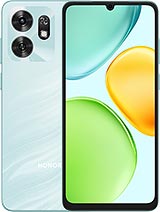
ZTE Blade A34 review
The A34 suits someone in a low-LTE market who prioritizes battery life and a large screen over performance and camera, and is willing to live with a slow chipset for a phone that lasts a full day without fuss. Anyone expecting smooth multitasking, decent photography, or future-proofing should look elsewhere.
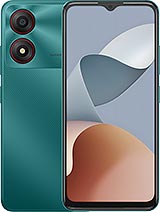
This review is based on ZTE’s published specifications and public benchmark data for the ZTE Blade A34, and the rating is spec-based. GoSolo does not physically test devices; where we estimate real-world behaviour such as battery life or charge time, we say so. How we rate phones.
Overview
The Blade A34 is a bare-bones Android phone for buyers in emerging markets who prioritize screen real estate and all-day battery over speed and camera quality. It does the basics—calls, messaging, light browsing—reliably, but stumbles under any load and its camera is soft by 2024 standards.
Design & Build
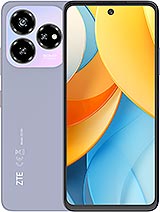
The A34 is thin at 8.8 mm and slim enough to pocket comfortably, though weight is unlisted. The 20:9 aspect ratio feels modern and the 84% screen-to-body ratio is a genuine strength at this price—bezels are tight. Dual Nano-SIM support and a dedicated microSD slot are practical touches for a dual-SIM market. Build materials are unspecified, so durability is a question mark. For a 2024 budget phone, the chassis likely uses plastic, but that is the norm here.
Display
The 6.6-inch IPS LCD is bright enough for indoor use and the 20:9 ratio maximizes screen real estate without making the phone unwieldy. However, 720p resolution on a 6.6-inch panel gives 267 ppi, and that shortage shows: text edges are soft, fine detail pixelates, and side-by-side comparison to a modern 1080p phone in the same class is stark. It is legible and usable, but dated. For scrolling and video, it is fine; for reading small print or detailed images, you will notice the limit.
Performance
The Unisoc SC9863A is an entry-level 28 nm chipset with eight Cortex-A55 cores running at modest clocks. Paired with 2 or 4 GB RAM, it handles light tasks—messaging, email, basic browsing, maps—without drama. Open more than two or three apps at once, or try a game beyond Candy Crush, and you will feel lag and stuttering. Everyday use is manageable; multitasking is not. By 2024 standards, this is not a performance phone, but that is expected at this price. Android 13 Go edition is designed for light, low-RAM phones, and it shows restraint: the OS does not bloat itself with widgets and background services, which helps.
Camera
The 8 MP main camera with autofocus and LED flash works in daylight—bright outdoor snapshots are acceptable—but dynamic range is narrow and edge sharpness fades quickly. Compared to 12-13 MP sensors on rival budget phones, the 8 MP is a step behind, and the lack of any secondary lens (ultra-wide, macro, depth) means you are stuck with one perspective. 1080p video at 30fps is low by 2024 standards, even for budget phones; most now shoot 4K. The 5 MP selfie is adequate for video calls but grainy in dim light. This camera does its job for casual photos but will disappoint anyone who values social media sharing or basic video vlogging.
Battery & Charging
The 5000 mAh cell is the genuine highlight: with moderate mixed use (calls, messaging, some browsing and maps), the A34 lasts until evening, and light users may squeeze to the next morning. Heavy video streaming or constant gaming will drain it faster, but for the typical user in a spotty LTE market, all-day life is the norm. The spec sheet omits charging speed, so wattage is unknown—expect a slow trickle, typical of budget phones. USB Type-C is standard and convenient, at least.
Software & Updates
Android 13 Go edition is designed for 2 GB RAM and minimal storage: it disables features like widgets, limits background app refresh, and avoids bloatware. In practice, this keeps the phone snappy enough. The trade-off is that Go is a restricted flavor of Android; you do not get the full Play Store (restricted to lighter, approved apps) and OS updates are the responsibility of ZTE, which historically is lax on support for budget lines. Expect security patches sporadically and major OS updates unlikely. This is a phone you use as-is, not one you upgrade and tinker with.
Value & Verdict
The A34 is priced as an entry-level phone for emerging markets where LTE coverage is still rolling out and buyers prioritize battery endurance and screen size over camera quality and performance. At that mission, it succeeds: the 5000 mAh battery is genuinely useful, the 6.6-inch screen is larger than many rivals at the price, and the microSD slot gives real expandability. The weak spot is processing: the Unisoc SC9863A lags behind similarly priced Qualcomm and MediaTek competitors, and that gap will widen as time goes on. For someone doing calls, messaging, light browsing, and maps, it works. For anyone who juggles apps, edits photos, or wants a usable camera, stepping up a tier in budget phones (or buying last year's Snapdragon-based model) is wiser spending.
Verdict
The A34 suits someone in a low-LTE market who prioritizes battery life and a large screen over performance and camera, and is willing to live with a slow chipset for a phone that lasts a full day without fuss. Anyone expecting smooth multitasking, decent photography, or future-proofing should look elsewhere.
- Large 6.6-inch screen with an 84% screen-to-body ratio, uncommon at this price tier
- 5000 mAh battery that genuinely lasts through moderate daily use without a midday top-up
- Dedicated microSDXC slot for storage expansion without compromising internal space
- 3.5mm jack and stereo speaker for audio that does not need wired earbuds
- Unisoc SC9863A struggles noticeably with multitasking and anything beyond light gaming
- 8 MP camera produces soft, low-detail photos and maxes out at 1080p video recording
- 267 ppi density means visible pixelation on fine text and icons when viewed closely
ZTE Blade A34 Key Specifications
The essentials at a glance. See the full spec sheet.
| Released | 2024, February |
|---|---|
| Display | 6.6 inches, 104.6 cm2 (~84.2% screen-to-body ratio), IPS LCD |
| Resolution | 720 x 1612 pixels, 20:9 ratio (~267 ppi density) |
| Chipset | Unisoc SC9863A (28 nm) |
| RAM & storage | 64GB 2GB RAM, 64GB 4GB RAM |
| Main camera | 8 MP, AF |
| Selfie camera | 5 MP |
| Battery | 5000 mAh |
| Software | Android 13 (Go edition) |
| Dimensions | 164 x 75.8 x 8.8 mm (6.46 x 2.98 x 0.35 in) |
| Network | GSM / HSPA / LTE |
| NFC | No |
| USB | USB Type-C 2.0 |
ZTE Blade A34 FAQ
Common questions, answered from the spec sheet.
Does the Blade A34 support 5G?
No. The Blade A34 tops out at GSM / HSPA / LTE, without 5G.
What chipset does the Blade A34 use?
The Blade A34 runs on the Unisoc SC9863A (28 nm).
What display does the Blade A34 have?
A 6.6 inches, 104.6 cm2 (~84.2% screen-to-body ratio) IPS LCD, 720 x 1612 pixels, 20:9 ratio (~267 ppi density).
How big is the Blade A34 battery?
The Blade A34 has a 5000 mAh battery.
Does the Blade A34 have NFC?
No, the Blade A34 does not list NFC support.
Does the Blade A34 support a microSD card?
Yes, the Blade A34 supports expandable storage (microSDXC (dedicated slot)).
Does the Blade A34 have a headphone jack?
Yes, the Blade A34 has a 3.5mm headphone jack.
Alternatives to consider
If the Blade A34 isn’t quite right, these are the closest calls.
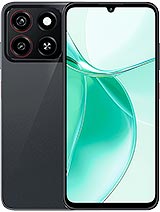
Blade A35
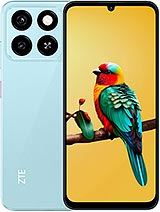
Blade A55

Blade A35 Lite
Blade V60
Y50 5G