ZTE Blade A72s review
The Blade A72s suits someone who reads and watches media more than they multitask, has no interest in gaming or 5G, and genuinely values a large comfortable screen over performance or features. Anyone else should look at a newer budget phone with a faster chip and sharper display, even if it means a slightly smaller screen."
This review is based on ZTE’s published specifications and public benchmark data for the ZTE Blade A72s, and the rating is spec-based. GoSolo does not physically test devices; where we estimate real-world behaviour such as battery life or charge time, we say so. How we rate phones.
Overview
The Blade A72s is a budget phone with a large 6.75-inch display and genuine all-day battery, but the entry-level Unisoc T606 chip and 260 ppi screen mean it fumbles at handling multiple apps or reading fine text. For €120 it works for media and messaging, but only if you accept slow charging and no 5G.
Design & Build
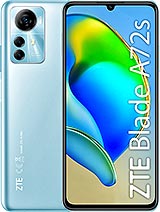
The Blade A72s is straightforward and unadorned. At 198 grams and 8.6 mm thick, it feels solid without being light, and the dual nano-SIM tray adds flexibility for work-life separation. The side-mounted fingerprint sensor is genuinely convenient when holding the phone. That said, there's no water resistance rating listed, microUSB 2.0 is dated by modern standards, and the plastic build feels generic even for the price. It is durable enough for everyday knocks, but nothing here makes you feel like the phone was designed with care.
Display
The 6.75-inch 90Hz IPS LCD is the phone's real strength. For a €120 device this is generous: the size alone makes reading articles, watching video, and browsing feel less cramped than smaller budget phones. The 90 Hz refresh smooths out scrolling noticeably compared to 60 Hz rivals. The problem is the 260 ppi pixel density, which is visibly soft at a normal viewing distance. Text at arm's length shows jaggedness that sharper budget phones avoid, and photo detail is plainly softer than it should be. This was acceptable in 2022 when the phone launched, but by 2023 and 2024, budget competitors had moved to sharper screens. For media and messaging it works, but reading small text for hours grows tiring.
Performance
The Unisoc T606 is entry-level, and the 3 GB RAM bottleneck compounds the problem. Basic tasks—messaging, social media, light browsing—run without obvious lag. Switching between multiple apps or running anything demanding stumbles; expect visible pauses when opening heavier applications. Gaming is not a realistic use case here. This chipset was already ageing when the phone shipped in mid-2022, and by 2024 it falls clearly behind what budget rivals offer. The UFS 2.2 storage is fast enough to mask some of the CPU limitation, but you'll feel the ceiling if you have any multitasking ambitions. Buy this only if your day is messaging, calls, and casual browsing.
Software
Android 12 at launch is now two or three years behind the curve depending on when you buy the phone used. ZTE has not been vocal about update timelines for this model, so do not expect much beyond what it shipped with. The software itself is clean without bloat, which is appreciated, but the age of the OS stacked against the weak hardware means performance will only degrade as the phone ages.
Camera
The 50 MP sensor captures decent detail in bright daylight, and the macro mode is genuinely useful for close product shots or small subjects. Outdoors in good light, photos are acceptable for social media or messaging. Indoors or in poor light, the lack of optical image stabilization and the small 2 MP macro auxiliary become limiting, and noise creeps in quickly. The 5 MP selfie is passable for video calls on a small screen but will look soft and compressed when cropped or zoomed. There is no optical zoom, so distant subjects require cropping and loss of quality. For a €120 phone the camera does its job for everyday snaps, but it has no flexibility.
Battery & Charging
The 5000 mAh battery is real—it will carry you through a full day of light use, and two days if you are gentle with the screen. Screen-on time sits in the 6–8 hour range depending on brightness and content, which is respectable. Charging is the weak point: 22.5W takes roughly 50–70 minutes from empty to full, which is notably slower than many €100–150 rivals that hit 60–100W now. If you need the phone ready in a hurry, plan ahead or carry a power bank.
Value & Verdict Context
At €120 the Blade A72s occupies an odd middle ground. It has battery endurance and screen real estate that appeal to anyone who watches media or reads often, but the soft display, slow processor, and weak charging speed limit who would actually want it in 2024. For the same money or slightly more, budget competitors offer sharper screens, faster chips, or quicker charging. The phone survives on its display size and battery alone, but neither compensates for the other compromises. If you absolutely need a phone with a physically large screen and can live with sluggish performance, this works. If you want a truly balanced budget phone, look elsewhere.
Verdict
The Blade A72s suits someone who reads and watches media more than they multitask, has no interest in gaming or 5G, and genuinely values a large comfortable screen over performance or features. Anyone else should look at a newer budget phone with a faster chip and sharper display, even if it means a slightly smaller screen."
- Large 6.75-inch 90Hz display is excellent for reading and video without the size penalty of a modern flagship
- 5000 mAh battery delivers solid two-day endurance on light use and roughly 6–8 hours continuous screen time
- 50 MP camera captures respectable detail in daylight and includes a macro mode for close-ups
- 3.5mm headphone jack and microSD slot remain, giving you a small amount of real choice
- Entry-level Unisoc T606 with only 3 GB RAM stutters noticeably when switching between heavy apps or attempting any gaming
- 22.5W charging takes nearly an hour from zero to full, slower than most rivals at this price now hit
- 260 ppi pixel density makes text and fine detail visibly soft at arm's length, a step behind what budget phones offer in 2023 and later
ZTE Blade A72s Key Specifications
The essentials at a glance. See the full spec sheet.
| Released | 2022, June 19 |
|---|---|
| Display | 6.75 inches, 110.0 cm2 (~84.5% screen-to-body ratio), IPS LCD, 90Hz |
| Resolution | 720 x 1600 pixels, 20:9 ratio (~260 ppi density) |
| Chipset | Unisoc T606 (12 nm) |
| RAM & storage | 128GB 3GB RAM |
| Main camera | 50 MP, (wideo), AF 2 MP (macro) Auxiliary lens |
| Selfie camera | 5 MP |
| Battery | 5000 mAh |
| Charging | 22.5W wired |
| Software | Android 12 |
| Dimensions | 168 x 77.5 x 8.6 mm (6.61 x 3.05 x 0.34 in) |
| Weight | 198 g (6.98 oz) |
| Network | GSM / HSPA / LTE |
| NFC | No |
| USB | microUSB 2.0, OTG |
ZTE Blade A72s FAQ
Common questions, answered from the spec sheet.
Does the Blade A72s support 5G?
No. The Blade A72s tops out at GSM / HSPA / LTE, without 5G.
What chipset does the Blade A72s use?
The Blade A72s runs on the Unisoc T606 (12 nm).
What display does the Blade A72s have?
A 6.75 inches, 110.0 cm2 (~84.5% screen-to-body ratio) IPS LCD, 90Hz, 720 x 1600 pixels, 20:9 ratio (~260 ppi density).
How big is the Blade A72s battery?
The Blade A72s has a 5000 mAh battery. Charging is rated at 22.5W wired.
Does the Blade A72s have NFC?
No, the Blade A72s does not list NFC support.
Does the Blade A72s support a microSD card?
Yes, the Blade A72s supports expandable storage (microSDXC).
Does the Blade A72s have a headphone jack?
Yes, the Blade A72s has a 3.5mm headphone jack.
Alternatives to consider
If the Blade A72s isn’t quite right, these are the closest calls.

Blade V50 Vita
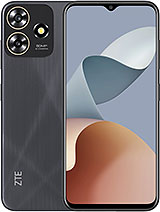
Blade A73

Blade V50 5G
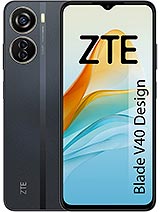
Blade V40 Design
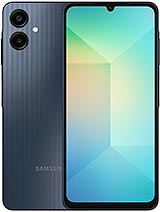
Galaxy A06