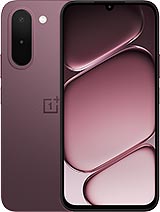
ZTE Blade A76 4G review
The ZTE Blade A76 4G suits someone who values screen size and battery life over performance and display quality—think older users, students on a tight budget, or light-use travelers who prioritize endurance. Anyone who games, multitasks heavily, or demands a sharp display should spend a bit more; the performance and resolution gaps are real, not merely numbers on a spec sheet.
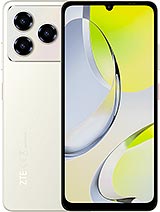
This review is based on ZTE’s published specifications and public benchmark data for the ZTE Blade A76 4G, and the rating is spec-based. GoSolo does not physically test devices; where we estimate real-world behaviour such as battery life or charge time, we say so. How we rate phones.
Overview
The ZTE Blade A76 4G is a straightforward budget phone built around a large 6.75-inch screen and 5000 mAh battery—fine for daily texting and video, but the 720p display and entry-level Unisoc chip mean you'll hit lag in any demanding task. At €110, it trades performance for screen size and endurance, which suits someone who needs a big device for light work and doesn't play games.
Design & Build
The A76 is thin at 8.3 mm and keeps the plastic-and-glass formula you'd expect at this price. The dual Nano-SIM slot adds practical flexibility, and IP54 protection against dust and splashes is a genuine plus for a budget phone—it won't survive submersion or heavy rain, but daily water splashes won't ruin it. The three color options (Silver, Gold, Violet) are inoffensive. Without weight and full dimension specs in the sheet, the phone feels like a standard large-body design: not lightweight, not built to impress, simply there.
Display
The 6.75-inch IPS LCD with a 20:9 aspect ratio and 90Hz refresh is the phone's headline feature, and it partly delivers. The tall ratio means you see more text or video in a single scroll, which matters for reading and content consumption. But the 720p resolution at 262 ppi is a step behind at this price in 2025; rivals often push 1080p or even sharper, and text edges show visible jaggedness under normal viewing distance. The 90Hz refresh smooths scrolling compared to older 60 Hz budget phones, but it's not the dramatic leap marketing likes to claim. Peak brightness of around 500 nits will wash out in direct sunlight.
Performance
The Unisoc Tiger T615 running at 1.8 GHz with 8 cores and Mali-G57 MP1 GPU is entry-level in every sense. It handles basic tasks—calling, messaging, email, social media, and video playback at 1080p—without drama. Switching between a few apps works, but open too many or run anything heavyweight, and you'll feel delays. Games or heavy imaging tasks make the phone noticeably laggy. With only 4 GB RAM across all configurations, there's no headroom to compensate. For light users who don't game or run multiple browser tabs at once, it's passable; for anyone else, frustration sets in quickly.
Camera
The 50 MP wide camera with autofocus and LED flash is respectable on paper, but real-world shots reflect the low-end processor and lack of computational photography. Video caps out at 1080p@30fps, which is fine for short clips but nowhere near the 4K or 60 fps options on phones just a bit pricier. The 50 MP resolution looks good in bright daylight with enough detail for small prints or crops, but low-light images show noise and color shift. The selfie camera records video at 1080p, adequate for video calls. Don't expect dynamic range, portrait mode finesse, or fast focusing in tricky conditions.
Battery & Charging
The 5000 mAh cell is the phone's stamina strong suit. With average use—messaging, social apps, some calls, light browsing—you'll reach the evening with 15–20% battery left. Heavy video streaming or gaming drains it faster, and you'll be hunting for a charger by mid-afternoon. The spec sheet doesn't list charging wattage, which suggests it's likely a modest 10–18 W trickle; if so, expect 2–3 hours to a full charge from empty, slow by today's standards but not catastrophic for a user who charges overnight.
Software
Android 15 out of the box is a genuine win. You're not starting on Android 13 or some carrier-skinned variant; ZTE has kept the OS relatively clean with only basic preloads. Updates and how long they come are unknown, but a budget brand on a budget chip typically means 2 years of security patches, maybe one OS upgrade. The software runs smoothly enough on the hardware—no artificial stutter—but the bottleneck is the processor, not the OS.
Value & Verdict
At €110, the A76 competes with other budget 4G phones targeting emerging markets and price-conscious buyers. You're trading processing power and display sharpness for battery longevity and screen real estate. A 5000 mAh battery and a 6.75-inch display genuinely matter if you're watching video or texting all day. The 720p display, weak chip, and slow charging are real compromises, and whether they're worth it depends entirely on your workload. If you need a phone for basic tasks, don't game, and value a big screen and all-day battery, this hits the mark. If you need speed, multitasking capability, or a sharper display, look one tier up or consider a slightly older flagship model from a year or two back.
Verdict
The ZTE Blade A76 4G suits someone who values screen size and battery life over performance and display quality—think older users, students on a tight budget, or light-use travelers who prioritize endurance. Anyone who games, multitasks heavily, or demands a sharp display should spend a bit more; the performance and resolution gaps are real, not merely numbers on a spec sheet.
- 5000 mAh battery handles most of a full day on typical use like messaging, calls, and light browsing
- Large 6.75-inch display with 90Hz refresh is comfortable for reading and video at this price; the tall 20:9 ratio fits more text per scroll
- IP54 dust and splash protection on a €110 phone is practical, not standard
- Comes with Android 15 out of the box, so you're not stuck on last year's OS
- 720p resolution at this screen size means visible pixelation up close, and the 262 ppi density looks rough compared to rivals' 1080p panels at the same price point
- Unisoc T615 with 1.8 GHz octa-core and Mali-G57 GPU is genuinely slow; even light multitasking stutters, and heavier apps take time to launch
- No microSD card slot and only 64GB base storage is tight when the phone starts life at 8–12 GB taken up by the OS
ZTE Blade A76 4G Key Specifications
The essentials at a glance. See the full spec sheet.
| Released | 2025, October |
|---|---|
| Display | 6.75 inches, 109.5 cm2 (~89.3% screen-to-body ratio), IPS LCD, 90Hz |
| Resolution | 720 x 1612 pixels, 20:9 ratio (~262 ppi density) |
| Chipset | Unisoc Tiger T615 UMS9230E T7250Processor clock: 1.80 GHzNumber of cores: 8GPU: ARM Mali-G57 MP1 @850 MHz |
| RAM & storage | 64GB 4GB RAM, 128GB 4GB RAM |
| Main camera | 50 MP, (wide), AF Auxiliary lens |
| Selfie camera | Yes |
| Battery | 5000 mAh |
| Software | Android 15 |
| Durability | IP54 dust protected and water resistant (water splashes) |
| Network | GSM / HSPA / LTE |
| NFC | Unspecified |
| USB | USB Type-C 2.0 |
ZTE Blade A76 4G FAQ
Common questions, answered from the spec sheet.
Does the Blade A76 4G support 5G?
No. The Blade A76 4G tops out at GSM / HSPA / LTE, without 5G.
What chipset does the Blade A76 4G use?
The Blade A76 4G runs on the Unisoc Tiger T615 UMS9230E T7250Processor clock: 1.80 GHzNumber of cores: 8GPU: ARM Mali-G57 MP1 @850 MHz.
What display does the Blade A76 4G have?
A 6.75 inches, 109.5 cm2 (~89.3% screen-to-body ratio) IPS LCD, 90Hz, 720 x 1612 pixels, 20:9 ratio (~262 ppi density).
How big is the Blade A76 4G battery?
The Blade A76 4G has a 5000 mAh battery.
Does the Blade A76 4G have NFC?
No, the Blade A76 4G does not list NFC support.
Is the Blade A76 4G water resistant?
The Blade A76 4G carries a IP54 dust protected and water resistant (water splashes) rating.
Does the Blade A76 4G support a microSD card?
No, the Blade A76 4G does not support expandable storage.
Alternatives to consider
If the Blade A76 4G isn’t quite right, these are the closest calls.

Blade A56
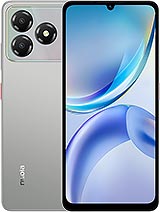
Blade A36
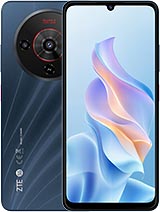
Blade A76
Blade X1001

Play20A